

 English
 русский
 Español
 عربى
عربى


Short answer: no. Lighter fluid will not freeze in any weather you are realistically going to meet. Petroleum naphtha, the clear fluid you pour into a wick lighter, stays liquid down to roughly -73 °C (-100 °F). The butane sealed inside a pressurised gas lighter does not solidify until about -138 °C (-216 °F). Even the coldest air temperature ever recorded on Earth, -89.2 °C at Vostok Station, is not cold enough to freeze the fuel in your pocket.
So when a lighter refuses to fire on a frosty morning, freezing is almost never the reason. The real culprit is vapour pressure, and it stops gas lighters long before any liquid turns solid. Knowing the difference tells you which lighter to carry, how to store it, and what to do when the temperature falls below zero.
What Is Actually Inside a Lighter?
Every lighter runs on one of two fuel families, and only one of them copes well with deep cold.
Wick lighters burn a liquid petroleum distillate, naphtha, sold as lighter fluid. It soaks into a cotton wad, travels up a fibre wick, and burns as vapour above the wick. Gas lighters hold liquefied petroleum gas under pressure, and a valve releases vapour that ignites at the jet.
| Fuel | Typical lighter type | Boiling point | Freezing point | Behaviour in cold air |
|---|---|---|---|---|
| Petroleum naphtha (lighter fluid) | Wick and flint lighters | Roughly 40-200 °C | About -73 °C | Stays liquid and keeps feeding the wick |
| n-Butane | Disposable and refillable gas lighters | -0.5 °C | About -138 °C | Stops vaporising below roughly -1 °C |
| Isobutane | Outdoor and winter gas blends | -11.7 °C | About -159 °C | Keeps pressure a little longer than butane |
| Propane | Cold-weather blends and torch lighters | -42 °C | About -188 °C | Holds useful pressure down to about -40 °C |
The gap between those columns matters more than the freezing figures. Butane does not have to freeze to stop working; it only has to stop boiling.
Why a Lighter Dies in the Cold When Nothing Has Frozen
A gas lighter fails in the cold because butane must boil before it can burn. Above the liquid in the fuel tank sits a thin layer of vapour, and the pressure that vapour creates is what pushes gas up through the valve and out of the jet. At around -1 °C, pure butane produces almost no vapour pressure at sea level, so nothing reaches the ignition point. The fuel is still liquid. It has not frozen, thickened or gone stale; it simply cannot turn into gas quickly enough.
Wick lighters behave differently, which is why they still have a following among people who work outdoors through the winter. Naphtha is liquid at any temperature a human being can survive in, and the wick lifts it by capillary action rather than pressure. The practical limit is the flash point of the fluid, roughly -9 °C to 0 °C depending on the blend. Below that, the wick produces less ignitable vapour and the first strike turns sluggish. Once a flame is burning it warms the wick and the fuel film around it, so a lit lighter usually keeps going. Starting it is the hard part.
What Actually Fails First as the Temperature Drops
When a lighter quits at -15 °C, the failure is pneumatic or mechanical, not chemical. These are the usual suspects, in roughly the order they appear.
- Vapour pressure loss, from about -1 °C. A gas lighter is the first to go. The flame shrinks, then the jet hisses without lighting, then nothing comes out at all.
- Sluggish wick vaporisation, below about -10 °C. A wick lighter still holds liquid fuel, but it needs two or three strikes and burns with a longer, weaker flame.
- Frozen moisture, below about -15 °C. Breath and condensation collect on the striker wheel and freeze into a film of ice that kills the spark.
- Brittle materials, below about -20 °C. Thin plastic bodies crack when dropped and O-rings harden and weep. A metal shell handles the same knock without complaint.
- Operator error, at any temperature. Gloved fingers cannot work a stiff wheel, and a warm inside pocket is often the only tool you need.
Liquid-Fuel vs Gas Lighters Below Freezing
If you remember one rule, make it this: a refillable naphtha lighter is the more dependable choice in deep cold, and a butane gas lighter is the more convenient choice in mild cold.
| Consideration | Naphtha wick lighter | Butane gas lighter |
|---|---|---|
| Cold threshold | Lights reliably to about -10 °C, sluggish below that | Reliable to about -1 °C on pure butane, -10 °C to -20 °C on a winter blend |
| Failure mode | Wick produces less vapour | Fuel stops producing pressure |
| Recovery trick | Warm the wick in a bare hand for a few seconds | Warm the fuel tank in a pocket or glove |
| Flame at low temperature | Smaller and softer, easy to tilt into tinder | Sharp jet flame once it lights |
| Refuelling | Liquid poured onto a wad, no pressure involved | Refill valve or canister; overfilling causes flare-ups |
| Best use | Prolonged cold, campfires, candles, stove work | Everyday carry and mild winter convenience |
How to Keep a Lighter Working Below Freezing
The single most effective habit is to carry the lighter against your body rather than in an outer pocket.
- Keep it close. An inside pocket holds a gas lighter 10 to 15 °C warmer than an outer one, which is often the whole difference between a flame and a hiss.
- Choose a winter blend. Gas lighters sold for outdoor use mix butane with isobutane and propane, and those blends hold pressure far below zero.
- Never force a cold wheel. Ice on the striker is the most common cause of a failed spark. Breathe on it once and wipe it dry.
- Do not overfill. A tank filled to the brim leaves no room for vapour, which is the part that actually burns.
- Dry the lighter before it freezes. Water trapped in a hinge or safety catch turns into a lock overnight.
- Store backups warm, not cold. A lighter left in a vehicle overnight stays colder than the surrounding air for the first hour of the morning.
What to Look For in a Cold-Weather Lighter
Cold performance is a design decision, not a lucky accident, and five features carry most of the weight.
- A refillable fuel system. You control the fuel, so you can switch to a blend suited to the season.
- An adjustable flame. A taller flame lights damp tinder faster; a shorter one saves gas while the body is warming up.
- A metal shell. Iron shells resist the impact cracking that brittle plastic suffers, and metal takes on the warmth of your hand quickly.
- A simple ignition path. Piezo electronic ignition removes the flint-and-wheel friction that ice attacks, while a well-shielded wheel is easy to service in the field.
- A real safety catch. Cold fingers fumble, and accidental ignition inside a pocket is a genuine hazard.
A refillable iron-shell model such as the JH8030 puts the fuel choice in your hands, so you can change blends as the season turns, and the metal body shrugs off a -20 °C night.
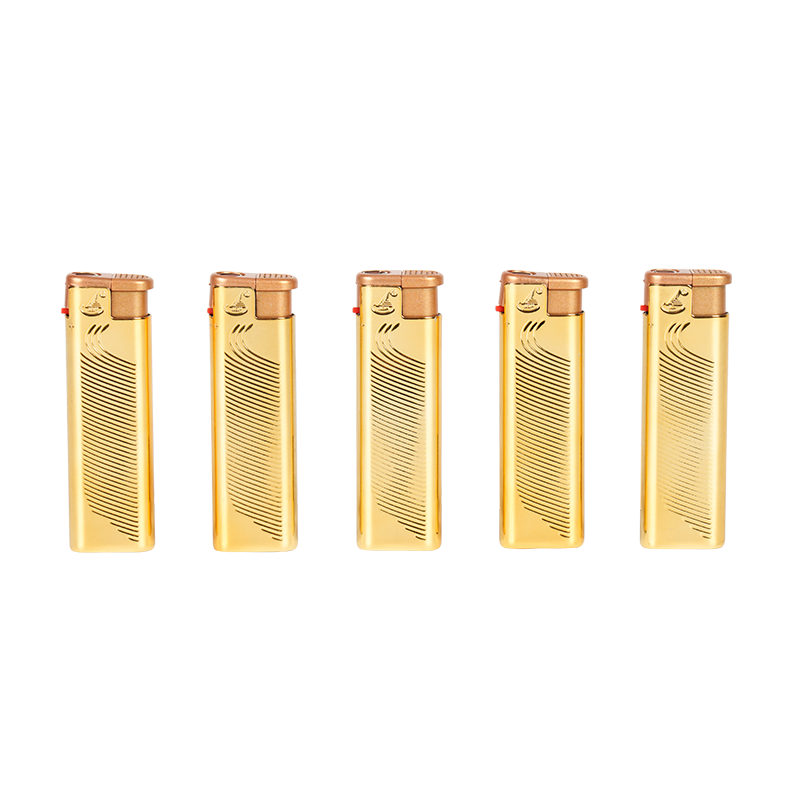 JH8030 Refuelable Iron Shell Windproof Outdoor LighterRefuelable iron-shell windproof lighter with durable metal body and fuel-choice flexibility; suitable for outdoor ignition where wind resistance and cold-weather durability matter.View Product →
If you want to fine-tune the flame for tinder, candles or a camp stove, an adjustable model such as the JH8027 lets you raise the flame during a cold snap and dial it back once the fuel has warmed.
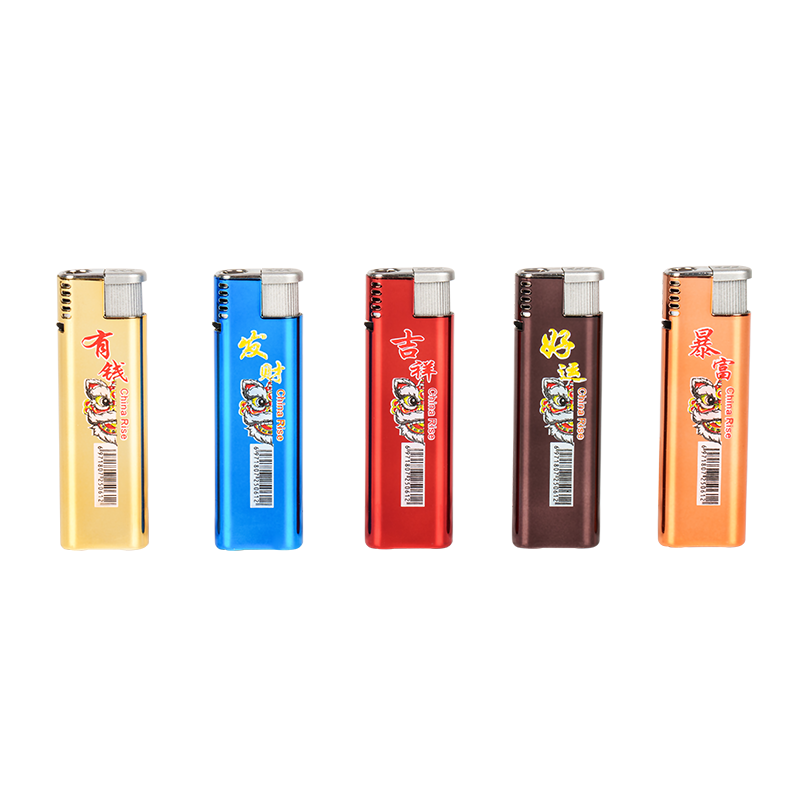 JH8027 Adjustable Flame Iron Shell Windproof LighterAdjustable-flame iron-shell windproof lighter for fine-tuning tinder, candles, or camp stoves; lets you raise flame in cold snaps and dial it back as fuel warms.View Product →
For a lighter you never have to warm up by hand, an electronic windproof design such as the JH9012 removes the flint wheel entirely and shelters the jet from wind and rain, which matters more than raw temperature once you are above the blend's pressure limit.
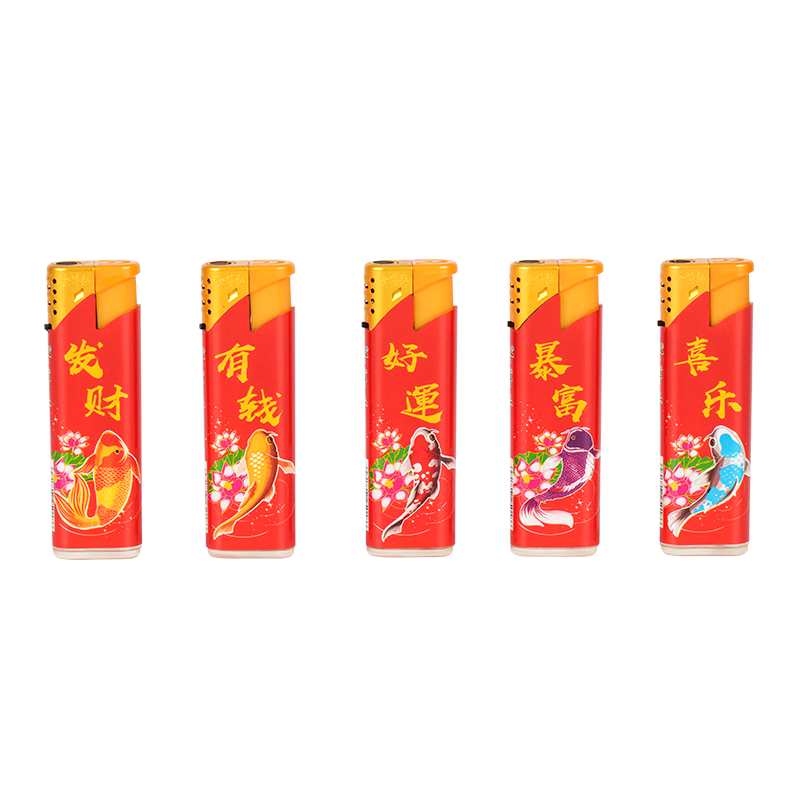 JH9012 Windproof Electronic Lighter with Flint-Wheel-Free DesignElectronic windproof lighter with no flint wheel, sheltering its jet from wind and rain; useful for outdoor ignition where electronic convenience and wind resistance matter.View Product →
These are the same categories we build daily at our factory in Cixi, including OEM runs for buyers who need a specific shell, flame height or ignition type.
Storing and Refuelling Lighter Fluid in Winter
Cold storage does not damage lighter fluid; careless handling does.
- Keep naphtha in a sealed metal or original container, well away from heat, sparks and any ignition source.
- Never warm a fuel can over a fire, a radiator or a heater. Room temperature is the fastest safe method.
- Refuel outdoors or in a ventilated space, and let the lighter stand for a minute before striking it.
- Keep spare cans out of a vehicle that sits below freezing for weeks, not because the fluid freezes, but because seals shrink and caps loosen.
- Wipe up spills at once. Naphtha evaporates fast, and the vapour, not the puddle, is what burns.
One technique reminder: fill the wad rather than flood it, and give the surplus time to flash off. The step-by-step walkthrough on refilling a refillable lighter safely covers the full sequence.
Frequently Asked Questions
Will lighter fluid freeze in a freezer?
No. A domestic freezer runs at about -18 °C, more than 50 °C warmer than the freezing point of naphtha, so the fluid stays liquid and pours normally.
At what temperature does lighter fluid freeze?
Petroleum naphtha solidifies at roughly -73 °C (-100 °F), and butane freezes near -138 °C. Neither figure is reachable in ordinary weather.
Does freezing ruin lighter fluid?
No. Naphtha can be frozen and thawed repeatedly without breaking down, and it returns to normal once warm. The real cold-storage risk is a shrunken cap or seal letting fuel weep out.
Why does my lighter stop working in winter if the fluid has not frozen?
Because gas lighters need vapour pressure, not liquid fuel. Below about -1 °C, pure butane produces too little vapour at sea level to reach the jet, so a full lighter still hisses or stays silent.
Can you use a butane lighter below -20 °C?
Only with the right fuel. A pure butane lighter will not light at -20 °C, but a blend containing propane keeps usable pressure down to about -40 °C, and an inside pocket does the rest.
Lighter fluid does not freeze in any cold a person can stand in, and no ordinary winter will turn it solid. What cold really does is starve gas lighters of the vapour pressure they need to burn, while stiffening the small mechanical parts that make a spark. Carry a refillable lighter with a metal shell, keep it warm against your body, match the fuel blend to the season, and a below-zero morning will not leave you striking a dead wheel.