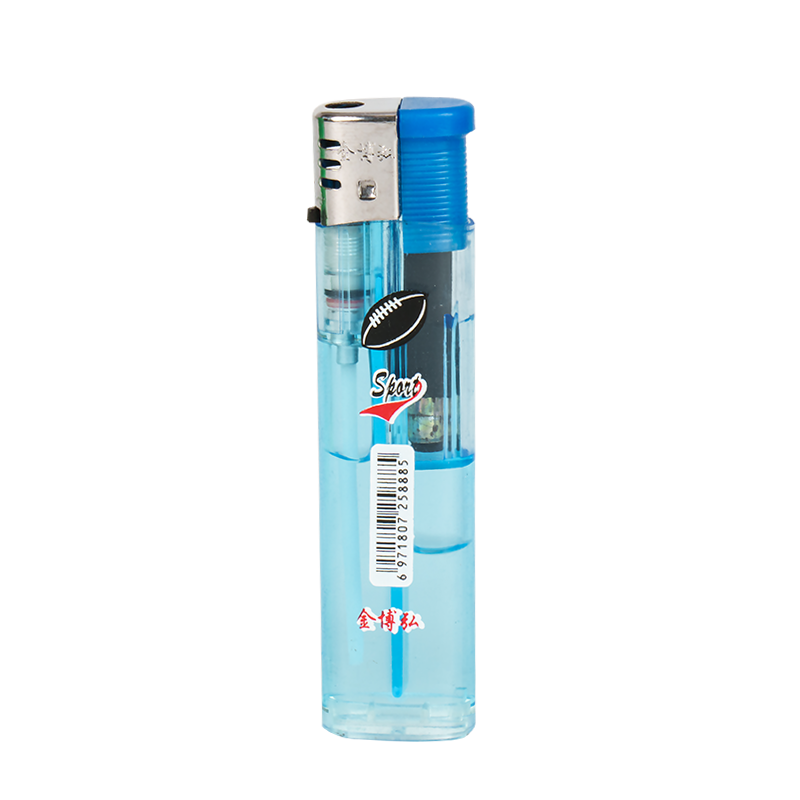
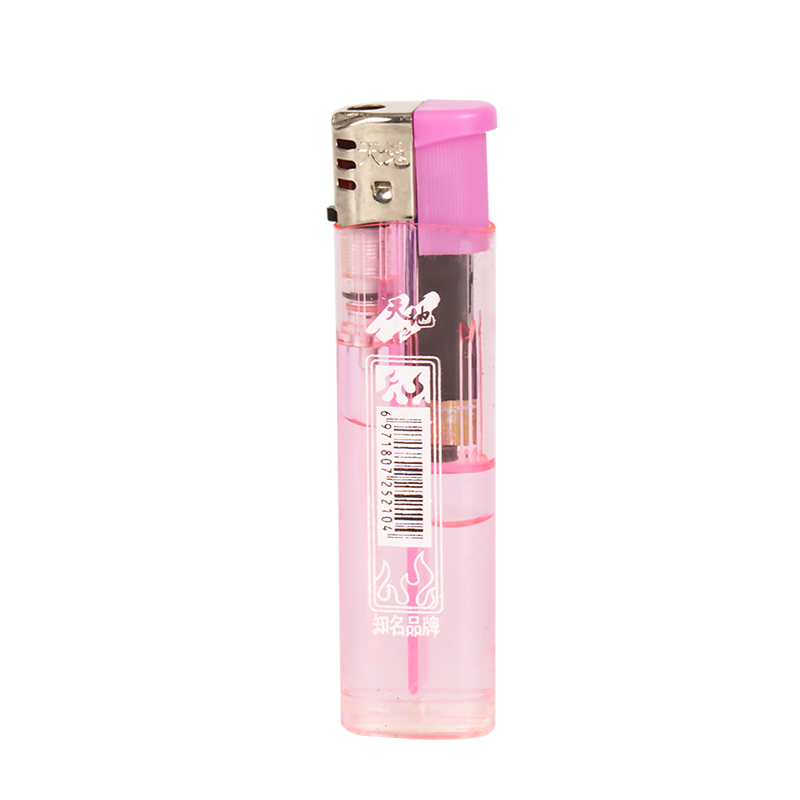
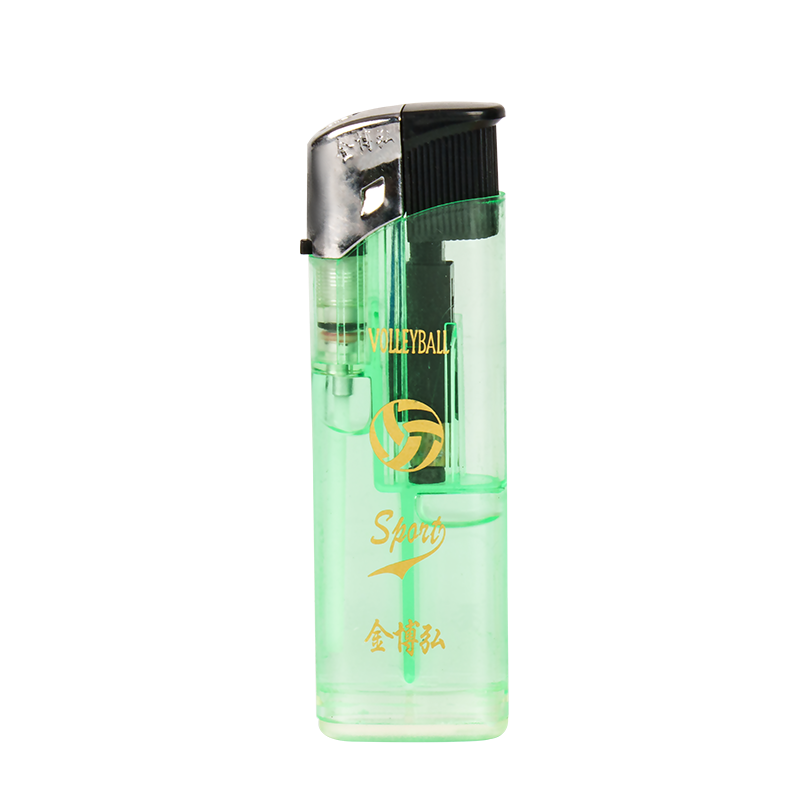
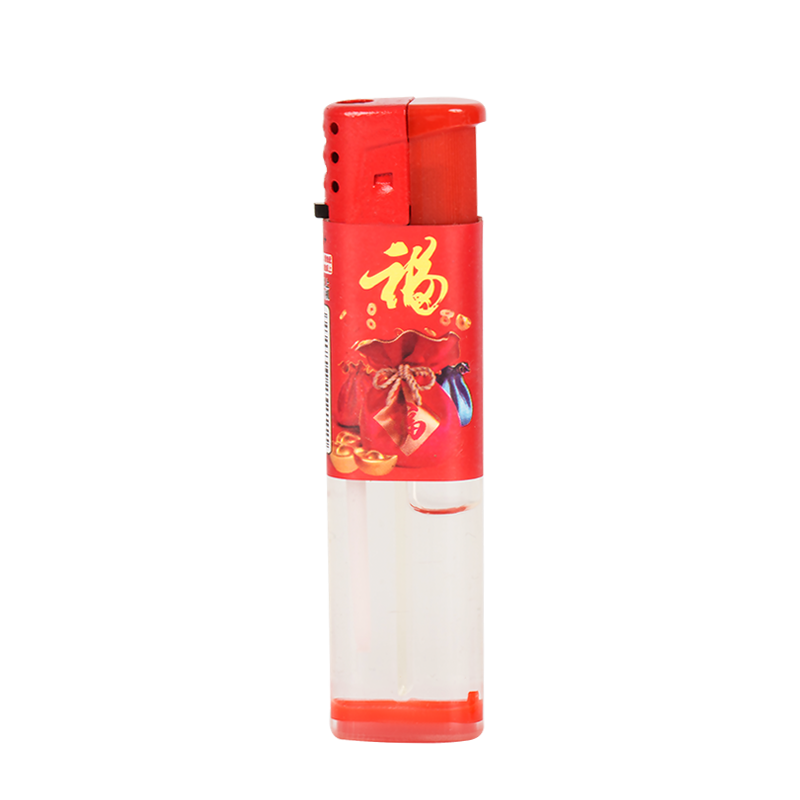
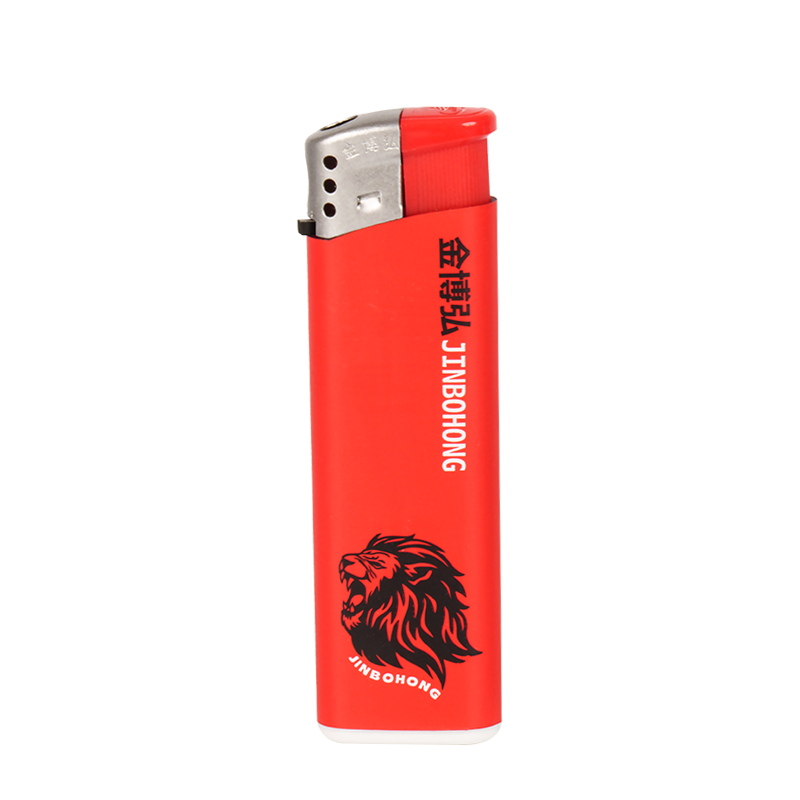
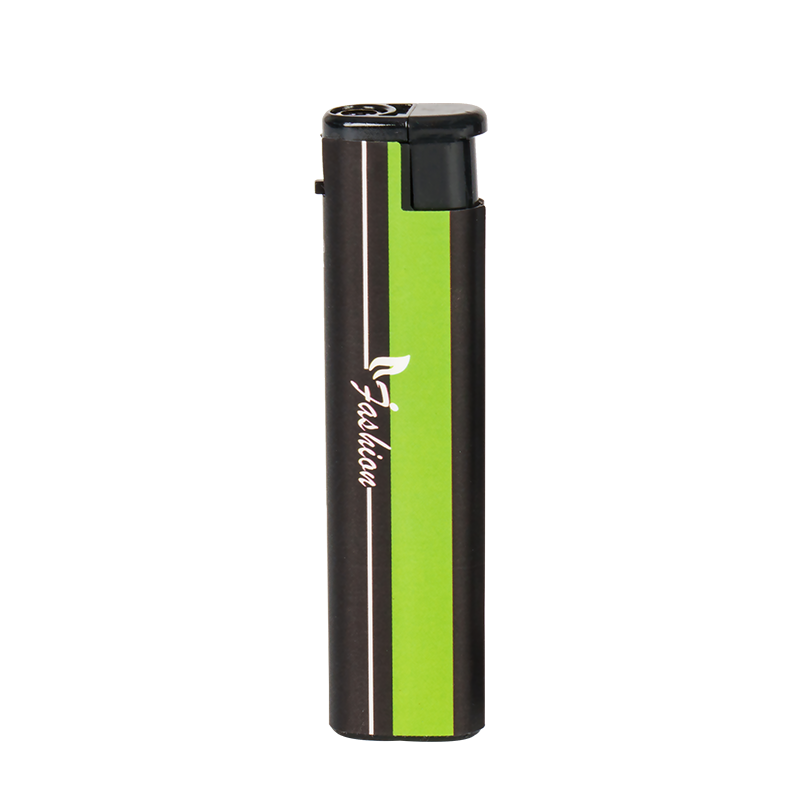
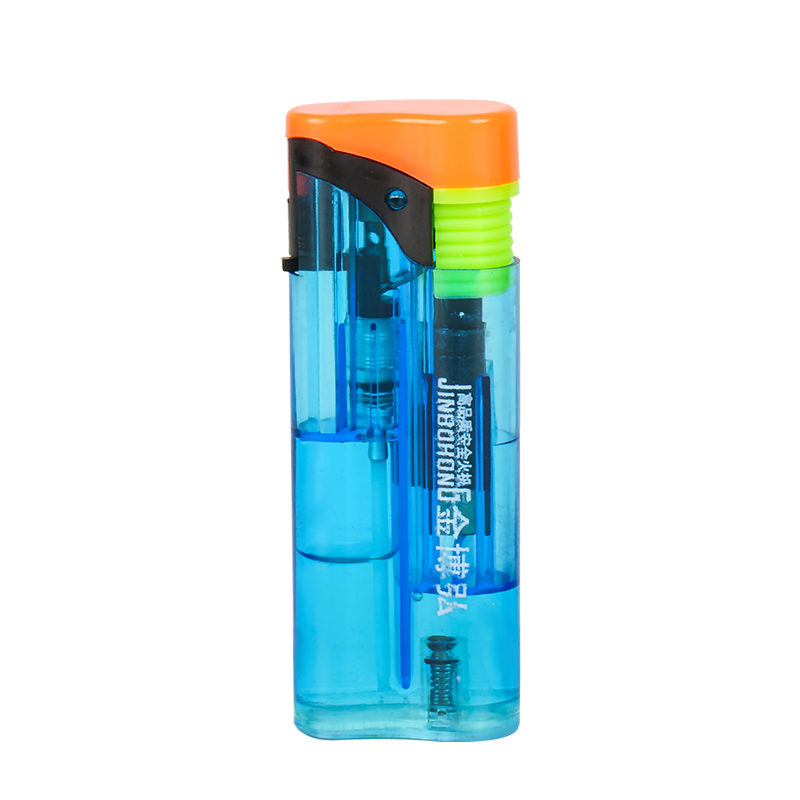
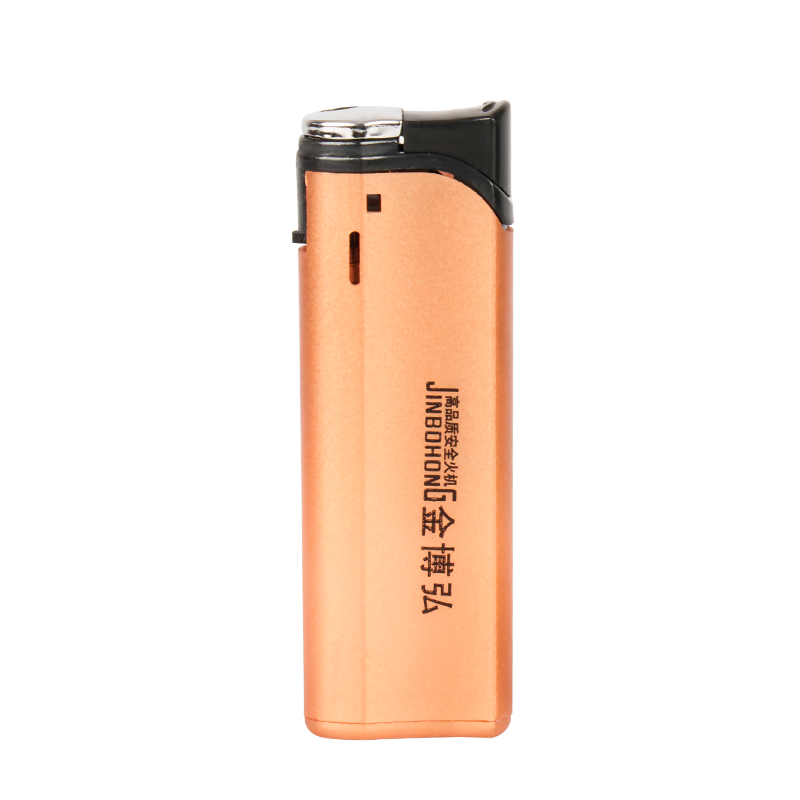
What safety features are included in butane gas lighters?
Butane gas lighters are widely used in daily life for lighting cigarettes, candles, gas stoves, grills, and outdoor equipment. Because they involve flammable gas and open flames, safety has become a core focus in their design and manufacturing. Over the years, lighter manufacturers have integrated multiple protective mechanisms to reduce the risk of accidental ignition, gas leakage, burns, and misuse by children.
From basic disposable models to advanced refillable and windproof designs, safety features in butane gas lighters continue to evolve in response to stricter regulations, consumer awareness, and technological progress.
Why Safety Features Are Critical in Butane Gas Lighters
The primary fuel in butane gas lighters is liquefied butane, a highly flammable hydrocarbon stored under pressure. Without proper safeguards, improper handling or design flaws could lead to accidents. Safety features are designed to address common risks such as:
Accidental ignition during storage or transport
Gas leakage caused by impact or wear
Overheating during prolonged use
Children gaining unintended access
Unstable flames in windy environments
Child-Resistant Mechanisms
Child Safety Locks
One of the most important safety innovations in butane gas lighters is the child-resistant mechanism. These locks require a specific combination of pressure and motion to ignite the flame, making it difficult for young children to operate the lighter unintentionally.
In many markets, especially in North America and Europe, child-resistant features are mandatory under safety regulations. Common designs include stiff ignition wheels, push-and-slide buttons, or integrated lock switches.
Compliance with International Standards
Child safety systems are often tested according to international standards, ensuring that a high percentage of children under a certain age cannot successfully ignite the lighter during controlled testing conditions.
Flame Control and Adjustment Systems
Adjustable Flame Height
Many refillable and premium butane gas lighters include a flame adjustment valve. This feature allows users to control the flame height, reducing the risk of burns or unintended ignition of nearby objects.
Lower flame settings for indoor or precision use
Higher flame settings for outdoor or wind-exposed conditions
Consistent Flame Output
Advanced gas flow regulators ensure a steady flame, preventing sudden flare-ups that could occur due to inconsistent fuel release. This improves both safety and user comfort.
Automatic Shut-Off and Self-Extinguishing Features
Release-to-Extinguish Design
Most modern butane gas lighters are designed so that the flame immediately extinguishes when the ignition button or trigger is released. This prevents the lighter from remaining lit accidentally if dropped or mishandled.
Thermal Cut-Off Protection
Some high-end models include thermal protection mechanisms that interrupt gas flow if internal temperatures exceed safe limits, reducing the risk of overheating during extended use.
Gas Leak Prevention Systems
Sealed Valves and Precision Nozzles
To prevent fuel leakage, manufacturers use tightly sealed valves, precision-engineered nozzles, and high-quality O-rings. These components minimize gas escape during storage and transportation.
Impact-Resistant Fuel Chambers
The fuel reservoir in butane gas lighters is often reinforced to withstand drops and impacts, reducing the chance of cracks or ruptures that could lead to leaks.
Windproof and Flame Stability Features
Jet Flame Technology
Windproof butane gas lighters use jet or torch flame technology, producing a concentrated blue flame that remains stable even in strong wind conditions. This improves safety by reducing misfires and repeated ignition attempts.
Protective Flame Shields
Metal or ceramic shields around the burner area help protect the flame from wind while also reducing heat transfer to the user’s hand.
Heat Insulation and Burn Prevention
Heat-Resistant Materials
High-quality butane gas lighters are constructed with heat-resistant plastics, metals, or ceramic components in areas exposed to high temperatures. This reduces the risk of deformation and accidental burns.
Ergonomic Design
Thoughtful ergonomic design ensures that fingers remain at a safe distance from the flame. Textured grips and contoured shapes also help prevent slipping during use.
Refill Safety Features
Leak-Proof Refill Valves
Refillable butane gas lighters are equipped with one-way refill valves that prevent gas from escaping during and after refilling. These valves automatically seal once the refill nozzle is removed.
Clear Refill Instructions
Many manufacturers provide clear visual indicators or instructions to guide safe refilling, reducing the risk of overfilling or improper handling.
Comparison of Safety Features: Disposable vs Refillable Butane Gas Lighters
Feature
Disposable Lighters
Refillable Lighters
Child-Resistant Mechanism
Common
Common
Flame Adjustment
Limited or Fixed
Adjustable
Gas Leak Protection
Basic Sealing
Advanced Valve Systems
Windproof Technology
Rare
Common in Jet Flame Models
Thermal Protection
Minimal
Available in Premium Models
Regulatory and Certification Standards
Safety features in butane gas lighters are often guided by national and international regulations. Compliance ensures consistent safety performance across markets.
ISO safety standards for lighter manufacturing
Child-resistance regulations in Europe and North America
Quality inspections for gas leakage and ignition reliability
Common User Safety Practices
While built-in features significantly enhance safety, proper usage remains essential. Recommended practices include:
Storing lighters away from direct sunlight and high temperatures
Keeping lighters out of reach of children
Avoiding prolonged continuous ignition
Inspecting refill valves for damage before refilling
Frequently Asked Questions (FAQ)
Are butane gas lighters safe for everyday use?
Yes, modern butane gas lighters are designed with multiple safety features and are safe for everyday use when handled responsibly and stored properly.
How do child-resistant lighters improve safety?
Child-resistant mechanisms reduce the likelihood of accidental ignition by requiring coordinated movements that are difficult for young children to perform.
Can a butane gas lighter leak during normal use?
High-quality lighters with sealed valves are designed to prevent leakage. Regular inspection and avoiding physical damage further reduce this risk.
Is a windproof lighter safer than a regular lighter?
Windproof lighters can be safer in outdoor conditions because they ignite reliably, reducing repeated attempts and unintended flame movement.
What should be done if a lighter overheats?
If a lighter becomes unusually hot, it should be set down on a non-flammable surface and allowed to cool. Continuous use should be avoided.
Future Trends in Butane Gas Lighter Safety
As consumer expectations rise, manufacturers continue to improve safety features in butane gas lighters. Innovations such as smart ignition controls, enhanced thermal sensors, and environmentally friendly materials are shaping the next generation of safer, more reliable lighters.
With a combination of advanced engineering, regulatory compliance, and responsible use, modern butane gas lighters offer a balanced blend of convenience, performance, and safety for users worldwide.






 English
 русский
 Español
 عربى
عربى