How do windproof or torch-style butane lighters work differently?
In the world of butane gas lighters, users often encounter two common types: windproof lighters and torch-style lighters. While both serve the primary purpose of igniting flames, their mechanisms, flame characteristics, and ideal usage scenarios differ significantly. Understanding these differences can help users choose the right lighter for everyday use, outdoor activities, or specialized applications.
What Are Butane Gas Lighters?
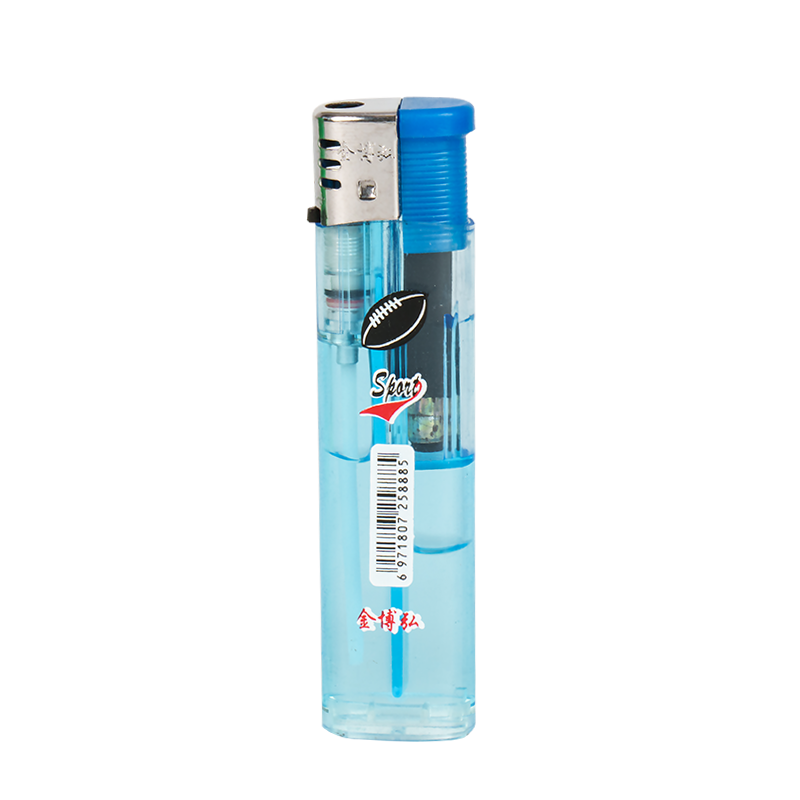
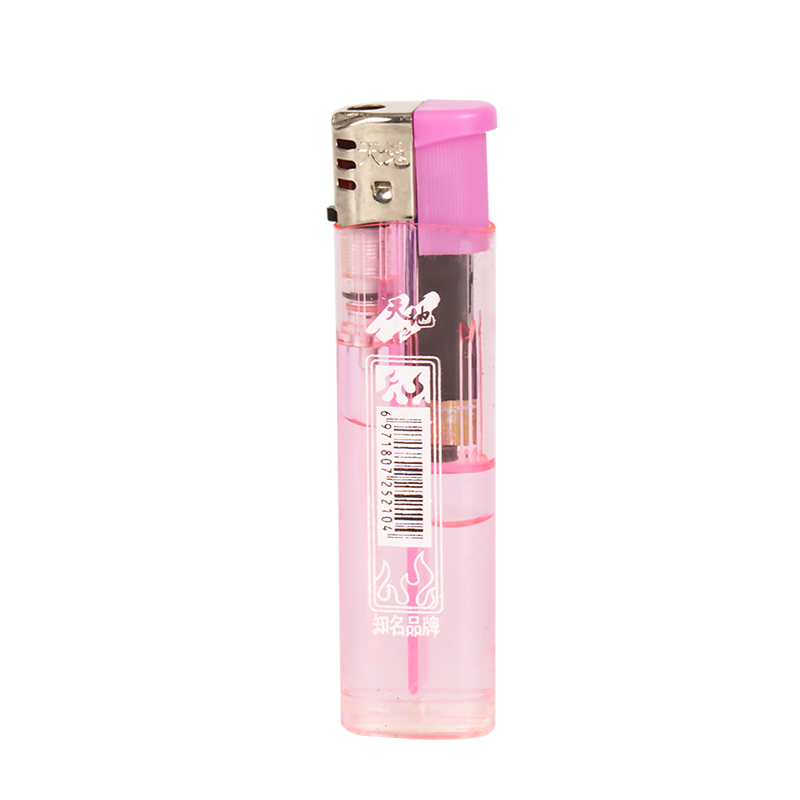
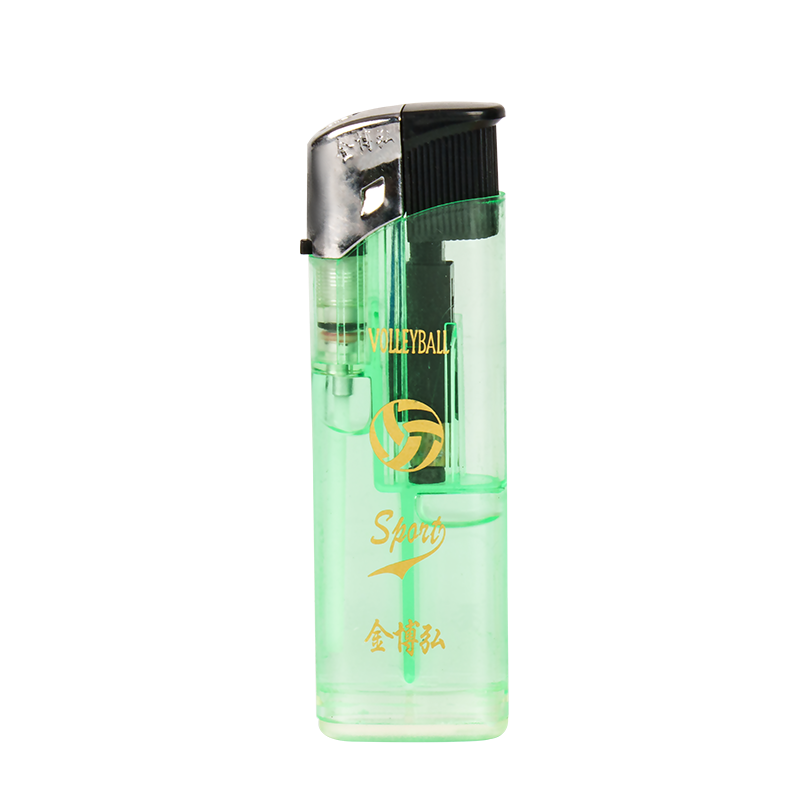
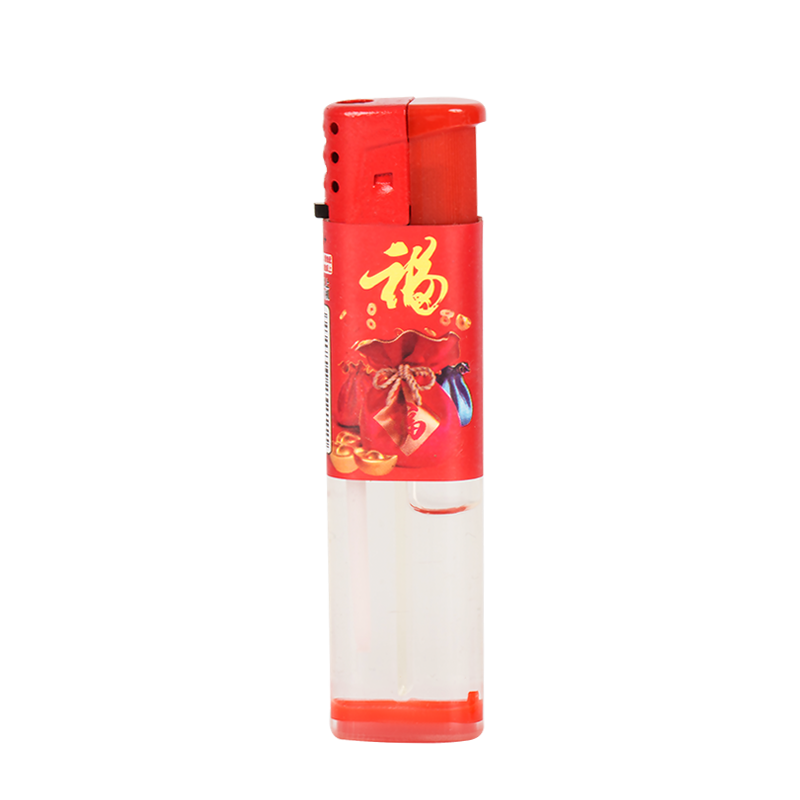
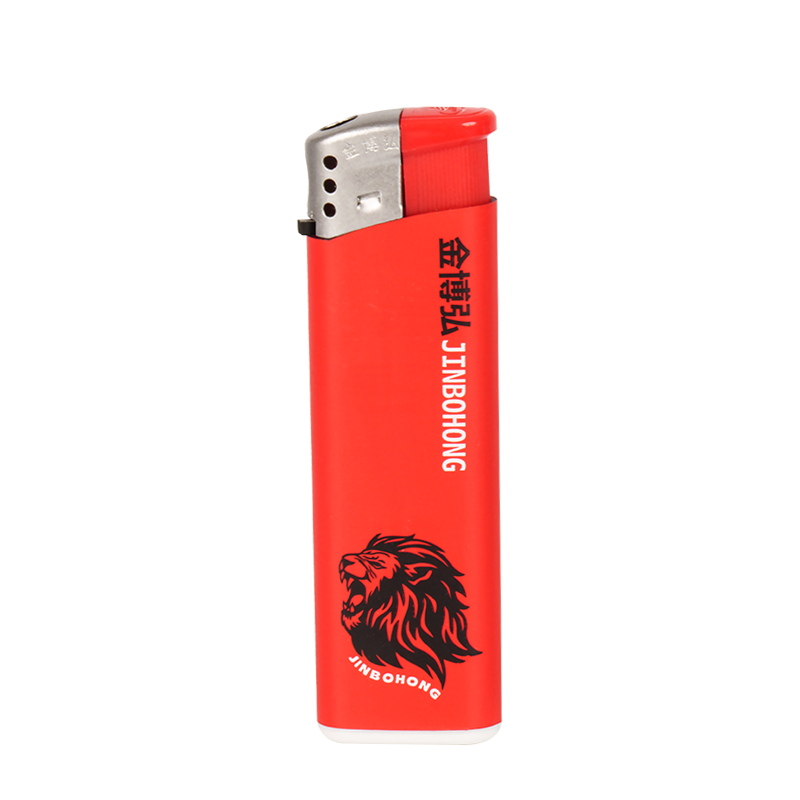
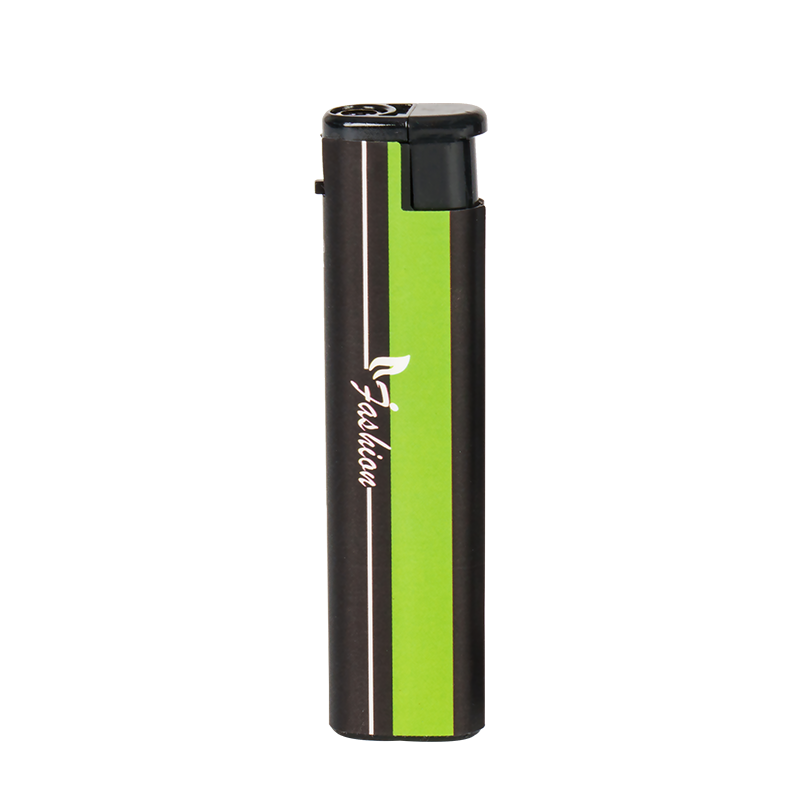
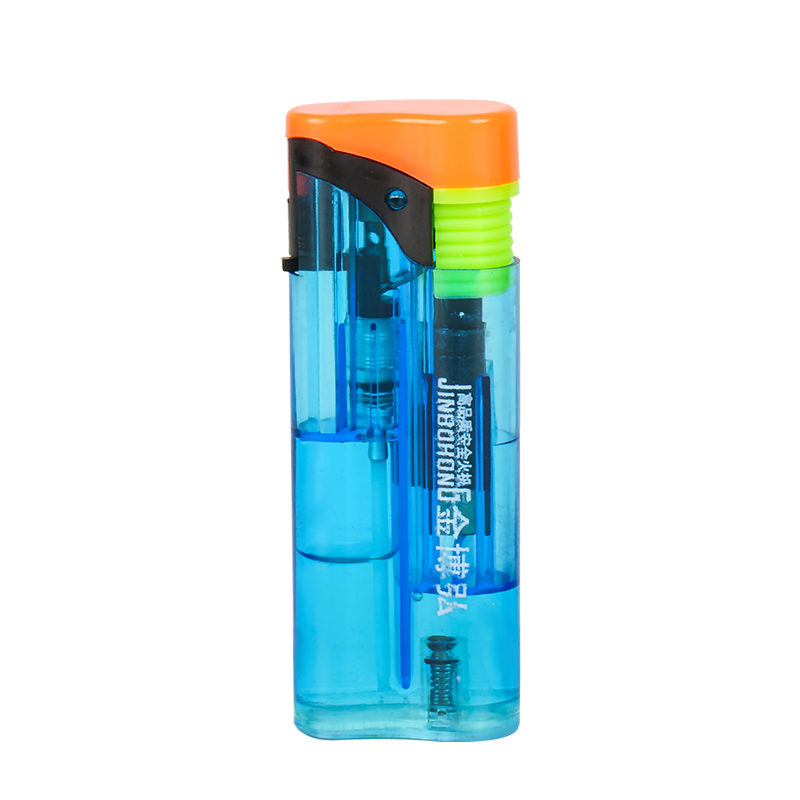
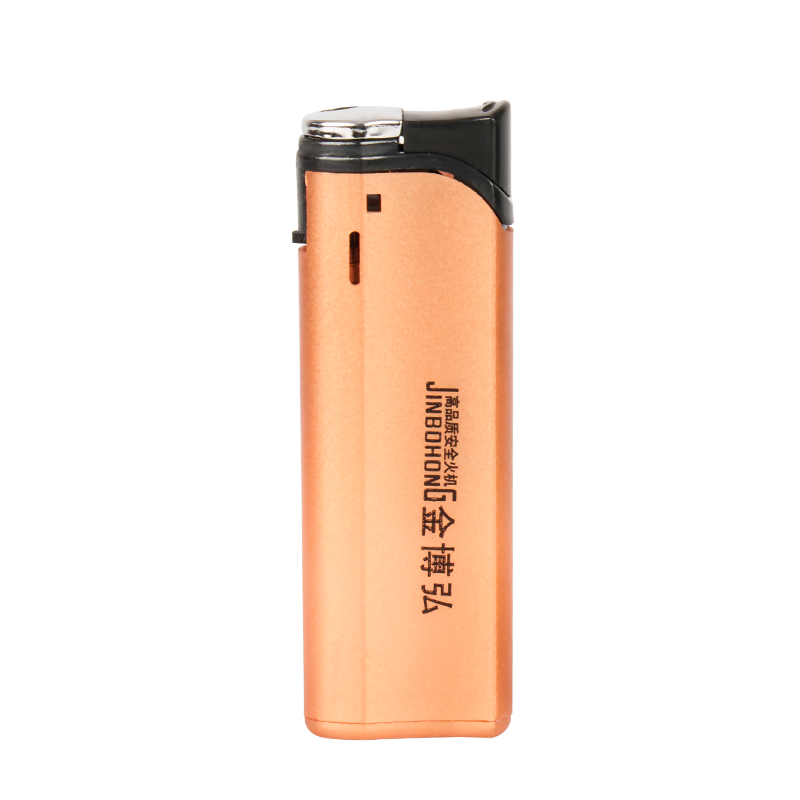
Butane gas lighters are portable devices that generate a controlled flame using pressurized butane gas. Butane, a highly flammable hydrocarbon, is stored under pressure in the lighter's reservoir. When the user activates the lighter, butane is released and ignited, creating a flame suitable for lighting cigarettes, candles, stoves, or even campfires. These lighters are favored for their convenience, reliability, and refillable nature compared to disposable alternatives.
Windproof Butane Lighters
Design and Mechanism
Windproof lighters, often known as storm lighters, are designed to maintain a steady flame even in windy conditions. They achieve this through a specialized mechanism that focuses and stabilizes the flame. Unlike traditional lighters, windproof versions typically produce a yellow-orange flame, similar to a candle, but with enhanced durability against gusts of wind.
Flame Type: Soft flame (yellow-orange) that is wider and more flexible.
Ignition System: Usually piezoelectric or flint ignition systems.
Wind Resistance: Effective up to moderate wind conditions (around 15-20 mph).
Use Cases: Outdoor camping, hiking, and situations where wind may extinguish a conventional flame.
Advantages
Resistant to wind, ensuring a consistent flame outdoors.
Refillable and environmentally friendly compared to disposable lighters.
Simple to operate, making them suitable for casual users.
Limitations
Flame may struggle in extremely windy or rainy conditions.
Soft flame may not be suitable for high-precision tasks such as soldering.
Torch-Style Butane Lighters
Design and Mechanism
Torch-style lighters, also called jet flame or micro-torch lighters, create a highly concentrated, blue flame using pressurized butane. The flame reaches temperatures as high as 1,300–1,500°C, making it ideal for tasks that require precision and intensity. The high pressure forces butane through a small nozzle, producing a sharp, wind-resistant flame that can withstand harsher environments.
Flame Type: Intense blue flame that is highly concentrated.
Ignition System: Piezoelectric ignition is most common, some advanced models feature automatic ignition.
Wind Resistance: Strong, capable of maintaining flame in strong gusts or moderate rain.
Use Cases: Culinary applications (e.g., caramelizing sugar), soldering, outdoor survival, and camping in challenging weather conditions.
Advantages
High-intensity flame suitable for specialized tasks.
Extremely wind-resistant, ideal for outdoor survival and adverse conditions.
Can perform tasks requiring precision, such as jewelry making or culinary finishing touches.
Limitations
Flame can be dangerous if misused; safety precautions are necessary.
Refilling can be slightly more technical than standard windproof lighters.
Usually larger and heavier than soft flame lighters, making them less convenient for pocket carry.
Key Differences Between Windproof and Torch-Style Butane Lighters
Both windproof and torch-style butane gas lighters find extensive applications:
Outdoor Activities: Windproof lighters are excellent for camping, hiking, and beach use. Torch lighters are ideal for survival situations or adverse weather conditions.
Culinary Use: Torch-style lighters are preferred for tasks like searing, caramelizing, and finishing dishes.
Industrial and Hobby Use: Torch lighters are commonly used in soldering, jewelry making, and DIY projects requiring precision heat.
Everyday Use: Windproof lighters are convenient for lighting cigarettes, candles, and household fires with minimal fuss.
Safety Considerations
Handling butane gas lighters safely is crucial. Some key tips include:
Always refill in a well-ventilated area to prevent gas buildup.
Avoid direct contact of the flame with flammable materials.
Keep away from children and pets.
Regularly inspect for leaks or damage before use.
Use appropriate flame type for the task: soft flame for general use, torch flame for precision or high-intensity needs.
FAQ About Windproof and Torch-Style Butane Lighters
1. Can torch-style lighters replace windproof lighters for everyday use?
While torch lighters can handle everyday tasks, they are often overkill for casual lighting and carry a higher risk due to their intense flame. Windproof lighters are safer and more convenient for regular use.
2. How long do butane lighters typically last?
With proper care and regular refilling, butane gas lighters can last several years. The flame mechanism and overall build quality significantly affect longevity.
3. Are all butane lighters refillable?
Most high-quality windproof and torch-style lighters are refillable, but some inexpensive models may be disposable. Always check the product description before purchase.
4. Can I use a torch lighter indoors?
Yes, but extreme caution is required. Ensure the area is well-ventilated and keep a safe distance from flammable objects.
5. How do I choose the right lighter?
Consider the intended use: choose windproof lighters for casual outdoor use and torch lighters for precision, high-intensity, or challenging conditions.
Conclusion
The choice between a windproof or torch-style butane gas lighter depends on the specific needs of the user. Windproof lighters offer simplicity, portability, and sufficient wind resistance for everyday and moderate outdoor use. Torch-style lighters, on the other hand, provide high-intensity flames suitable for specialized tasks and extreme weather conditions. Understanding their differences ensures that users select the right tool, enhancing both safety and efficiency in lighting tasks.






 English
 русский
 Español
 عربى
عربى