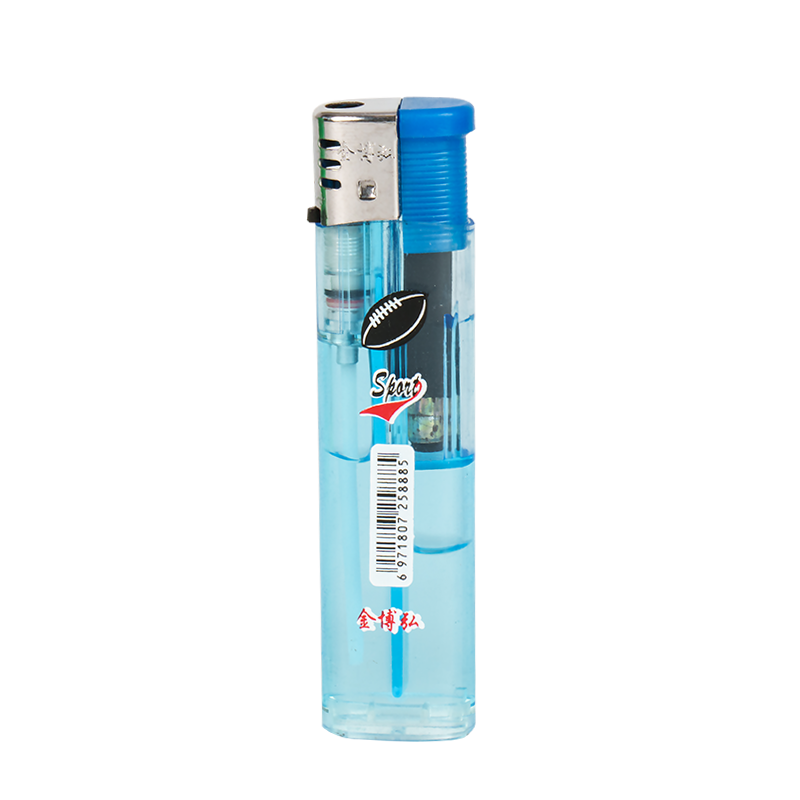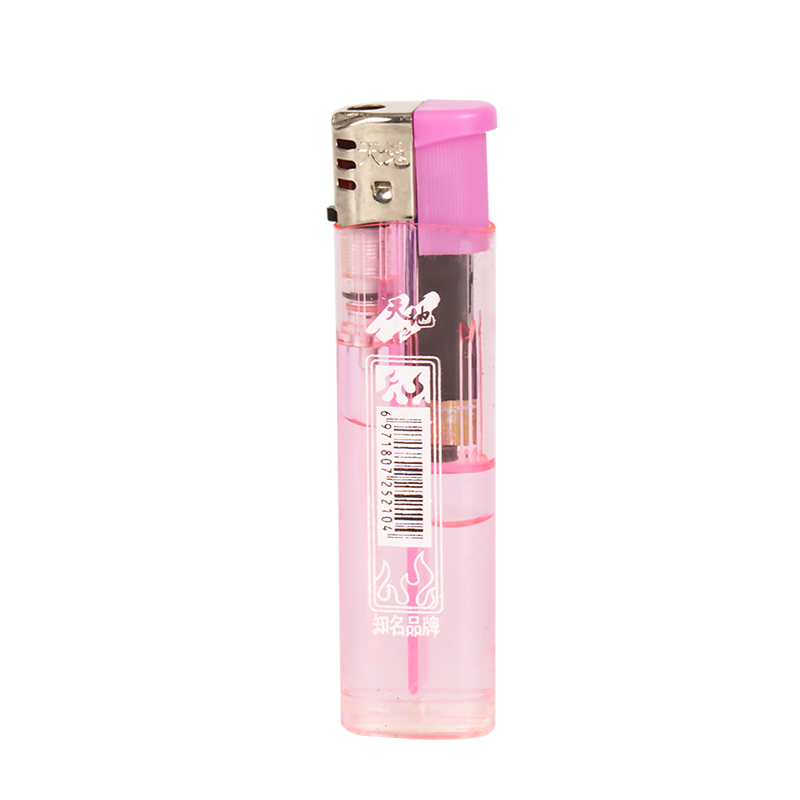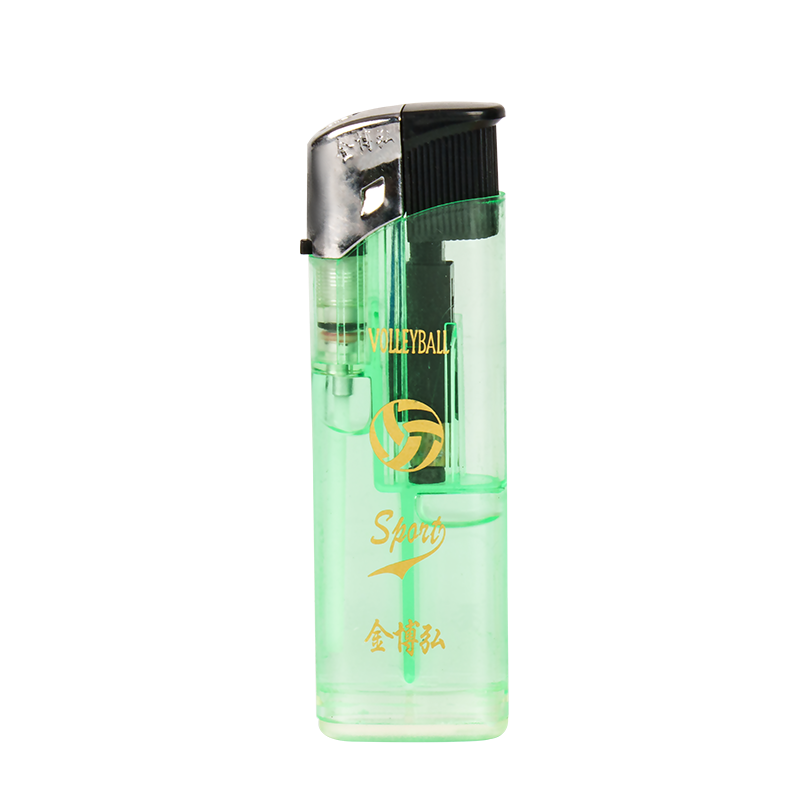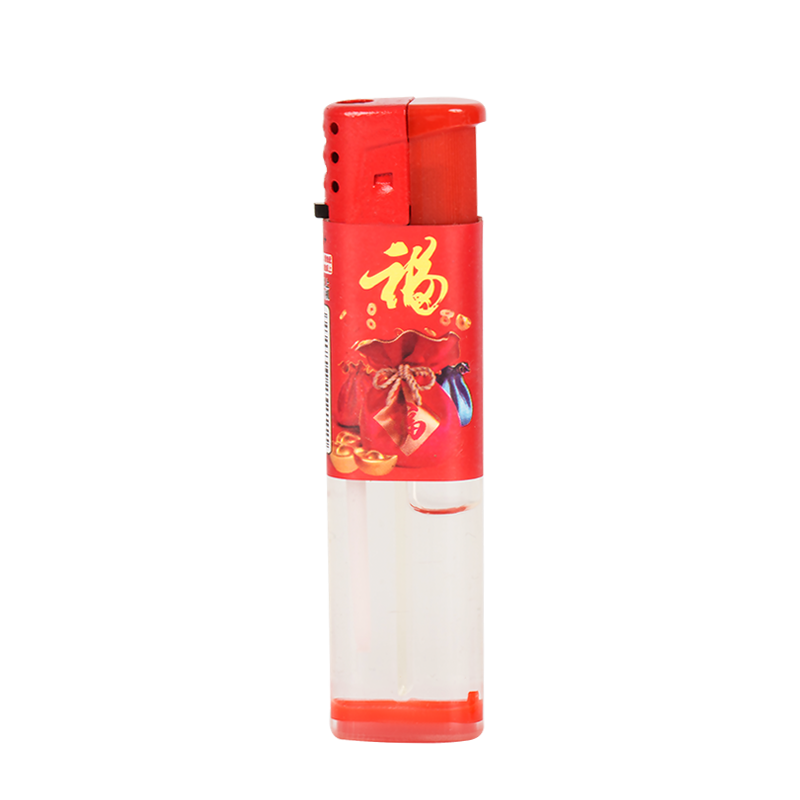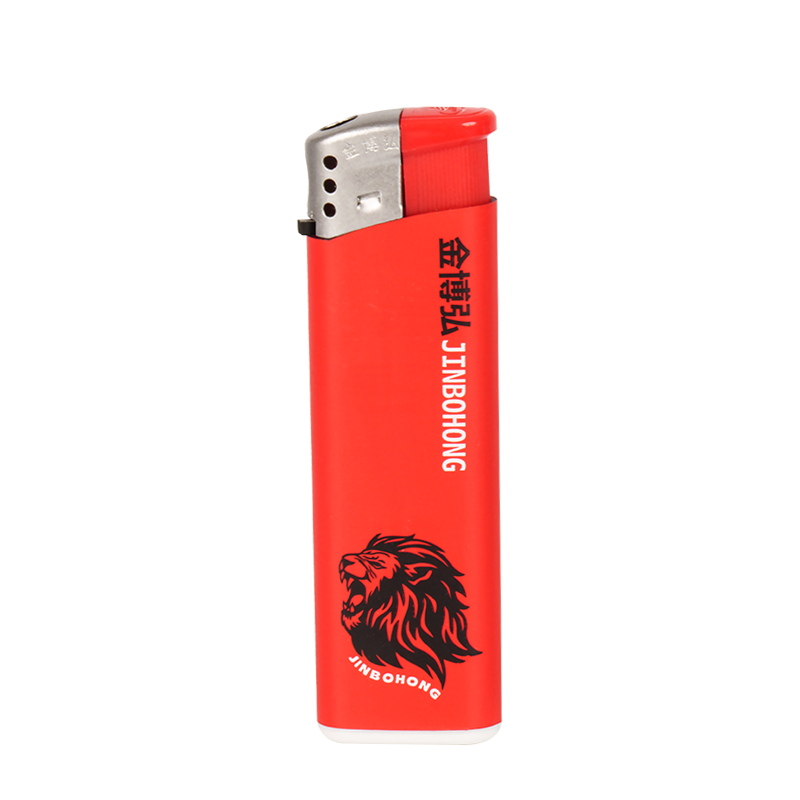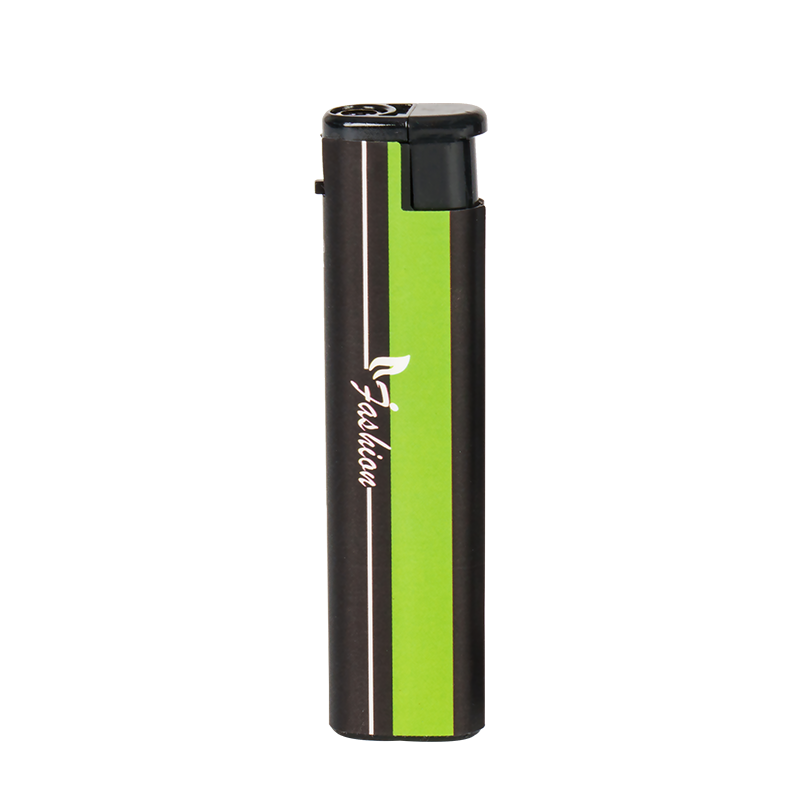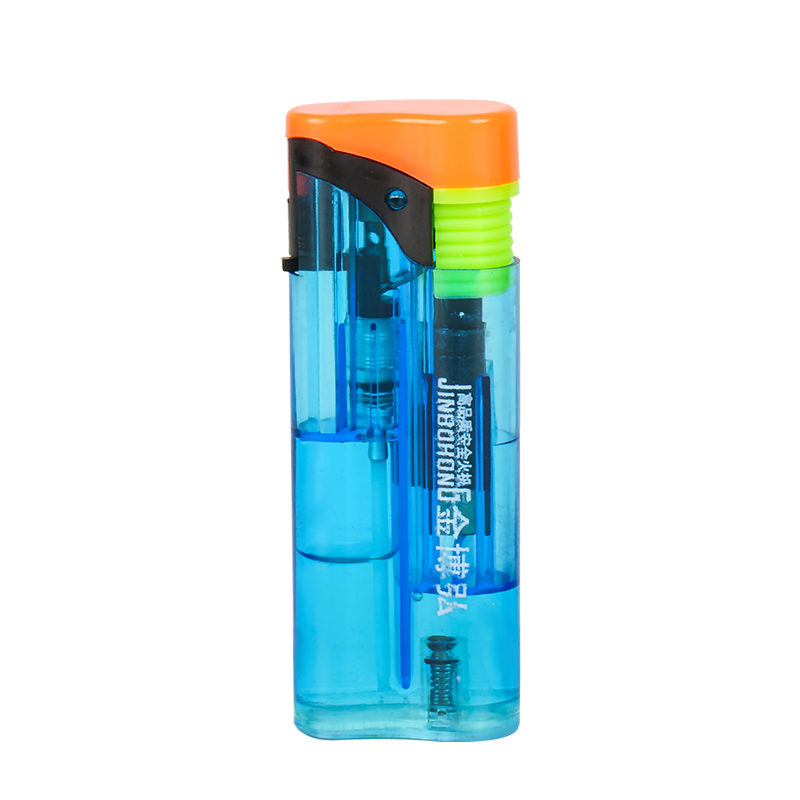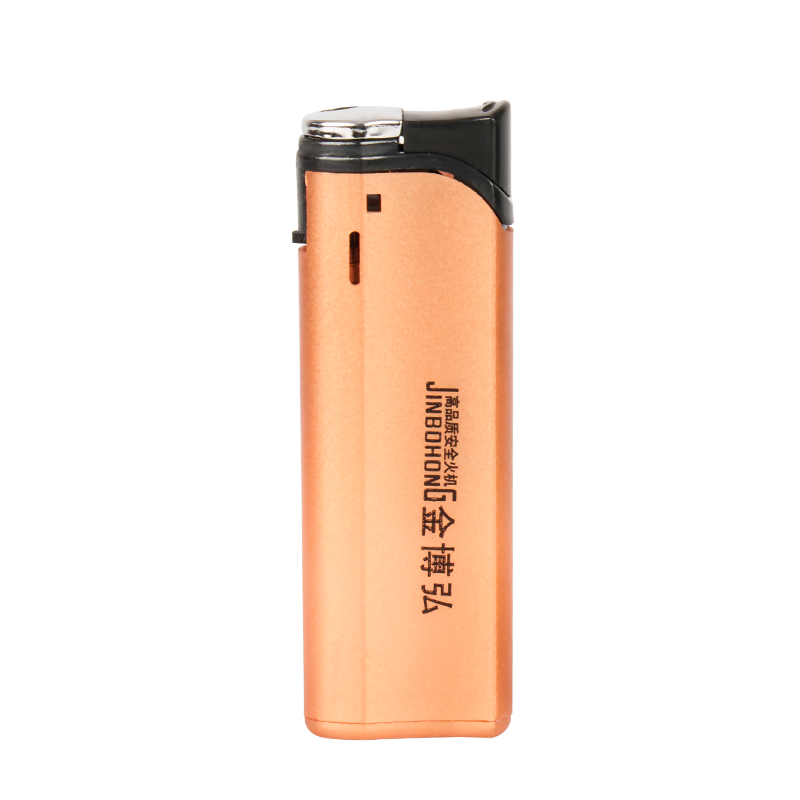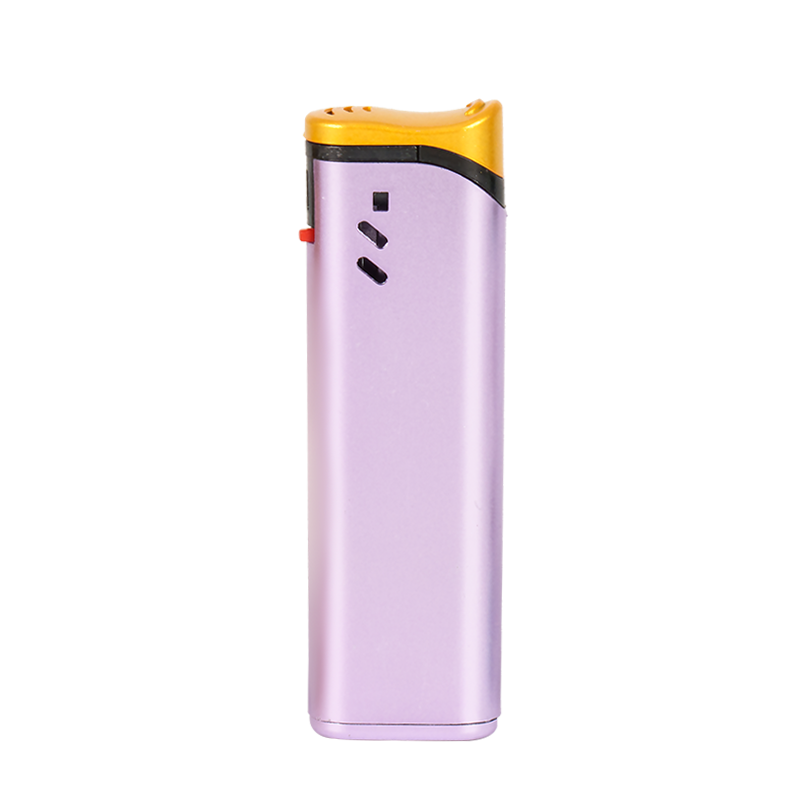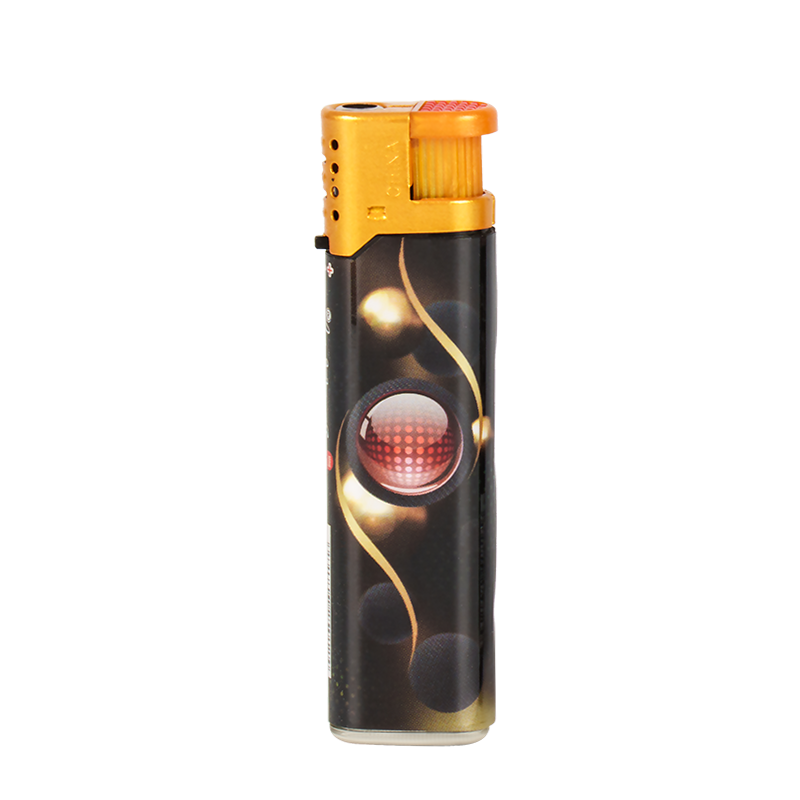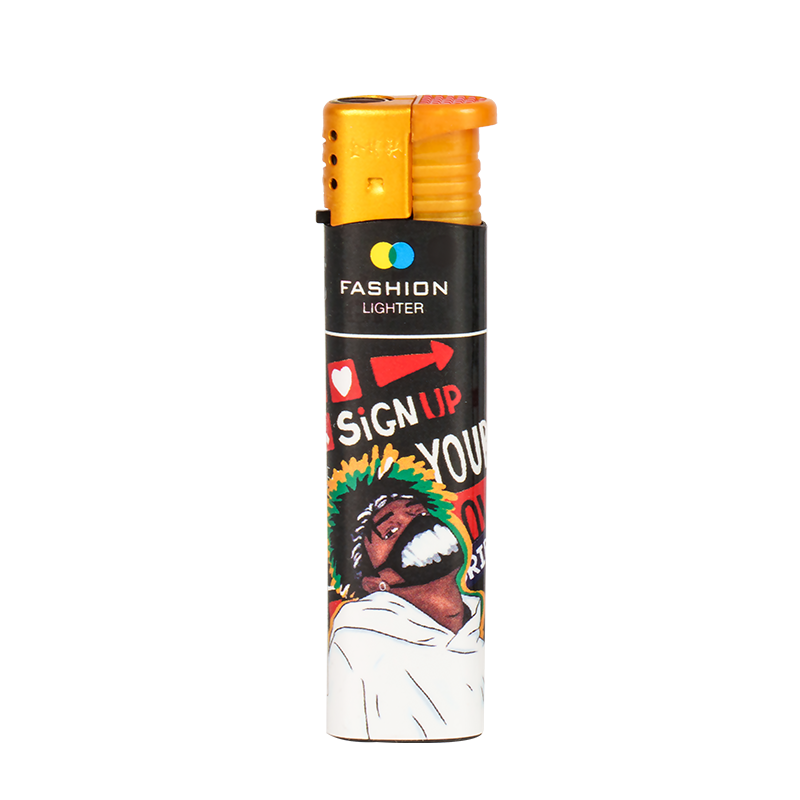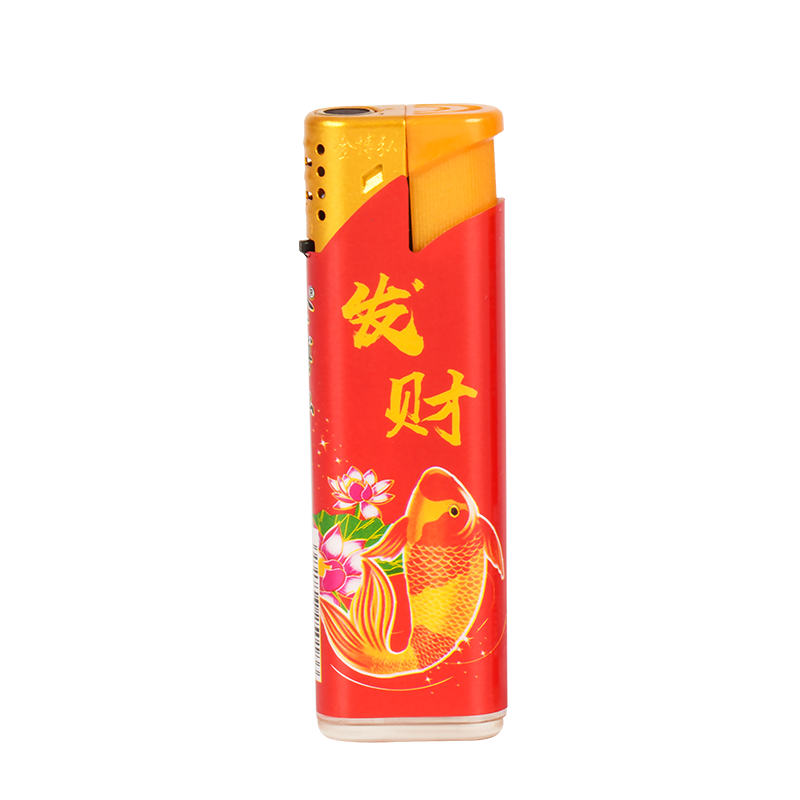
Lighter fluid is primarily composed of naphtha or butane — highly flammable hydrocarbon compounds derived from petroleum. Depending on the type (liquid charcoal lighter fluid or pressurized butane lighter fuel), the exact chemical makeup differs, but both are refined fossil-fuel derivatives engineered for reliable, controlled ignition. Understanding what is in lighter fluid helps consumers use it safely, store it properly, and choose the right type for their needs.
There are two distinct categories of lighter fluid, each with a different chemical composition and intended use. Confusing them can lead to dangerous misuse, so understanding the distinction is essential before examining what each contains.
Charcoal lighter fluid is made primarily of petroleum naphtha, a mixture of aliphatic hydrocarbons with carbon chain lengths typically ranging from C9 to C14. It is a clear, colorless or pale-yellow liquid with a distinctive petroleum odor. Here is a detailed breakdown of its components:
Naphtha is a broad term for light, volatile fractions of crude oil. In lighter fluid, the naphtha used is a highly refined, low-aromatic mineral spirit. It evaporates quickly, which allows it to ignite easily. Naphtha has a flash point of approximately -40°F (-40°C), meaning it produces flammable vapors even at very low temperatures. This is why charcoal lighter fluid must be handled with extreme caution.
Aliphatic hydrocarbons are carbon-hydrogen compounds arranged in straight or branched chains. In charcoal lighter fluid, these include alkanes (paraffins) such as nonane, decane, undecane, and dodecane. These compounds burn cleanly with relatively low soot production compared to aromatic hydrocarbons.
Commercial charcoal lighter fluid often contains minor additives including:
These additives typically make up less than 1–2% of the total composition but play an important role in product performance and safety.
Butane lighter fuel is composed almost entirely of liquefied butane (C₄H₁₀), sometimes blended with isobutane or propane for performance at lower temperatures. Unlike charcoal lighter fluid, it contains no liquid petroleum naphtha and is stored as a pressurized gas. When released, it immediately vaporizes and becomes flammable.
Normal butane is the dominant compound in most lighter fuel canisters. It has a boiling point of 30.2°F (-1°C) at atmospheric pressure, meaning it readily vaporizes at room temperature. It burns with a clean, blue flame and produces carbon dioxide and water as combustion byproducts — making it one of the cleaner-burning fossil fuels available.
Isobutane (2-methylpropane) is a structural isomer of butane with a slightly lower boiling point of 10.9°F (-11.7°C). It is often blended into butane fuel to improve performance in colder climates, where pure n-butane may struggle to vaporize efficiently.
Some lighter fuels include a small percentage of propane, which has a very low boiling point of -43.6°F (-42°C). Propane helps the canister maintain adequate pressure at cold temperatures. However, too much propane increases canister pressure dangerously, so it is kept to a minimum — usually under 5% of the total mixture.
These two types of lighter fluid differ significantly in composition, physical state, and application. The table below summarizes the key differences at a glance:
| Feature | Charcoal Lighter Fluid | Butane Lighter Fuel |
| Primary Ingredient | Petroleum naphtha | n-Butane / Isobutane |
| Physical State | Liquid | Pressurized liquefied gas |
| Flash Point | ~-40°F (-40°C) | ~-76°F (-60°C) |
| Carbon Chain | C9–C14 | C4 |
| Primary Use | Charcoal grills, fire pits | Pocket lighters, torches |
| Odor | Strong petroleum smell | Faint or nearly odorless |
| Combustion Byproducts | CO₂, H₂O, minor soot | CO₂, H₂O (very clean) |
| Storage | Plastic or metal bottle | Pressurized steel canister |
Table 1: Comparison of charcoal lighter fluid and butane lighter fuel across key characteristics.
Lighter fluid works by producing flammable vapors that ignite upon contact with a spark or flame, releasing heat energy through rapid oxidation. Whether in liquid or gas form, the core chemistry is the same: hydrocarbon molecules react with atmospheric oxygen (O₂) in an exothermic combustion reaction.
For butane, the balanced combustion equation is:
2 C₄H₁₀ + 13 O₂ → 8 CO₂ + 10 H₂O + heat
For naphtha hydrocarbons, such as decane (C₁₀H₂₂):
2 C₁₀H₂₂ + 31 O₂ → 20 CO₂ + 22 H₂O + heat
When combustion is incomplete — for example, when charcoal lighter fluid is applied too generously or ignited under low-oxygen conditions — carbon monoxide (CO) and particulate soot can also be produced. This is a key safety concern.
Lighter fluid is toxic if ingested, inhaled in large quantities, or absorbed through prolonged skin contact. Naphtha-based charcoal lighter fluid poses more significant health risks than butane because it remains liquid and can splash, spill, or be mistakenly consumed.
Breathing concentrated naphtha vapors can cause dizziness, headache, nausea, and central nervous system depression. Prolonged or repeated exposure has been associated with neurological effects. Always use charcoal lighter fluid outdoors in well-ventilated areas.
Accidental ingestion of lighter fluid — a serious risk for young children — can cause chemical pneumonitis if aspirated into the lungs, which is a medical emergency. According to the American Association of Poison Control Centers, hydrocarbon ingestion is one of the most common causes of childhood poisoning. Keep lighter fluid out of reach of children at all times.
Direct skin contact can cause dryness, irritation, and dermatitis with repeated exposure. Eye contact may cause irritation and redness. Wash thoroughly with soap and water immediately if skin contact occurs, and flush eyes with water for at least 15 minutes if they are exposed.
Safe use of lighter fluid depends on following a few non-negotiable rules. The table below outlines critical safe practices and common dangerous mistakes:
| Do | Don't |
| Use outdoors or in well-ventilated areas | Use near open flames or sparks |
| Store in original sealed container | Add fluid to already-lit or hot coals |
| Keep away from children and pets | Use inside enclosed spaces |
| Allow fluid to soak in before lighting | Overapply — a thin, even coat is sufficient |
| Store below 120°F (49°C) | Store near heat sources or in direct sunlight |
| Wash hands after use | Dispose of improperly (it is hazardous waste) |
Table 2: Safety guidelines for handling and using lighter fluid correctly.
When used correctly and allowed sufficient burn-off time, charcoal lighter fluid should not impart a noticeable flavor to food. However, if you light the grill and start cooking before the fluid has fully burned off — typically indicated when the flames have died down and the coals are covered with a gray ash — residual naphtha can produce an unpleasant petroleum taste.
Expert grillers recommend waiting at least 20–30 minutes after lighting before placing food on the grill. Alternatively, chimney starters (which require only newspaper to light) eliminate lighter fluid entirely and are recommended for those sensitive to flavor contamination.
Lighter fluid contributes to volatile organic compound (VOC) emissions, which play a role in ground-level ozone formation and air quality degradation. The U.S. Environmental Protection Agency (EPA) has classified charcoal lighter fluid as a significant source of VOC emissions from consumer products.
Studies estimate that charcoal grilling with lighter fluid can release 10 to 20 times more particulate matter and VOCs than gas grilling. For environmentally conscious consumers, alternatives such as:
…can significantly reduce VOC output while still achieving reliable ignition.
No — lighter fluid and gasoline are different products with different compositions and flash points. Both are petroleum derivatives, but gasoline contains aromatic compounds like benzene, toluene, and xylene that make it far more volatile and dangerous to use as a fire starter. Never substitute gasoline for lighter fluid.
Lighter fluid does not technically expire, but it can degrade over time if stored improperly. Exposure to air, heat, or light can cause oxidation and evaporation of lighter fractions, potentially affecting performance. A tightly sealed container stored in a cool, dark location can remain usable for several years.
Butane is heavier than air and can accumulate at floor level indoors, creating explosion and asphyxiation hazards. Refilling lighters indoors should be done with extreme caution — away from flames and sparks — and the area should be ventilated immediately afterward.
Approximately 1–2 ounces (30–60 ml) of charcoal lighter fluid is sufficient for a standard load of charcoal briquettes. Using more does not make the fire hotter or start faster — it only increases the risk of flare-ups and excess VOC emissions.
Brief, incidental inhalation of lighter fluid fumes typically causes mild symptoms such as dizziness or nausea, which resolve with fresh air. However, deliberate inhalation ("huffing") is extremely dangerous and can cause sudden cardiac arrest, irreversible brain damage, or death. If significant fume inhalation occurs accidentally, move to fresh air immediately and seek medical attention if symptoms persist.
No — charcoal lighter fluid and butane lighter fuel are not interchangeable. Charcoal lighter fluid is a liquid naphtha product designed to soak charcoal. Pocket and torch lighters are engineered for pressurized butane gas. Using the wrong fuel type can damage the lighter mechanism or create a fire hazard.
Lighter fluid — whether naphtha-based charcoal fluid or pressurized butane fuel — is a carefully formulated petroleum product designed for safe, reliable ignition when used as directed. Understanding what is in lighter fluid empowers consumers to use the right product for the right application, handle it safely, and minimize environmental impact. The key takeaways are: naphtha-based charcoal lighter fluid is a liquid hydrocarbon mixture (C9–C14), while butane lighter fuel is a pressurized gas (C4); both require careful storage, careful use, and must be kept away from children. When in doubt, consider chimney starters or paraffin cubes as effective, lower-risk alternatives to liquid lighter fluid.
Copyright © China Cixi Jihong Electronics Co., Ltd. All Rihgts Reserved. Custom Lighters Manufacturers Wholesale Blue Flame Lighters Suppliers