

 English
 русский
 Español
 عربى
عربى


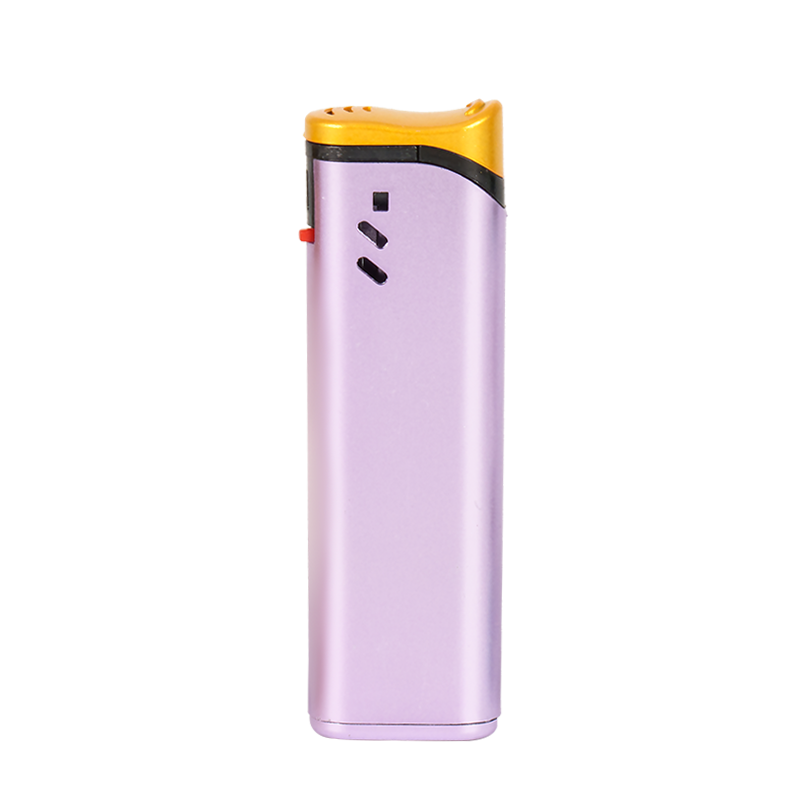
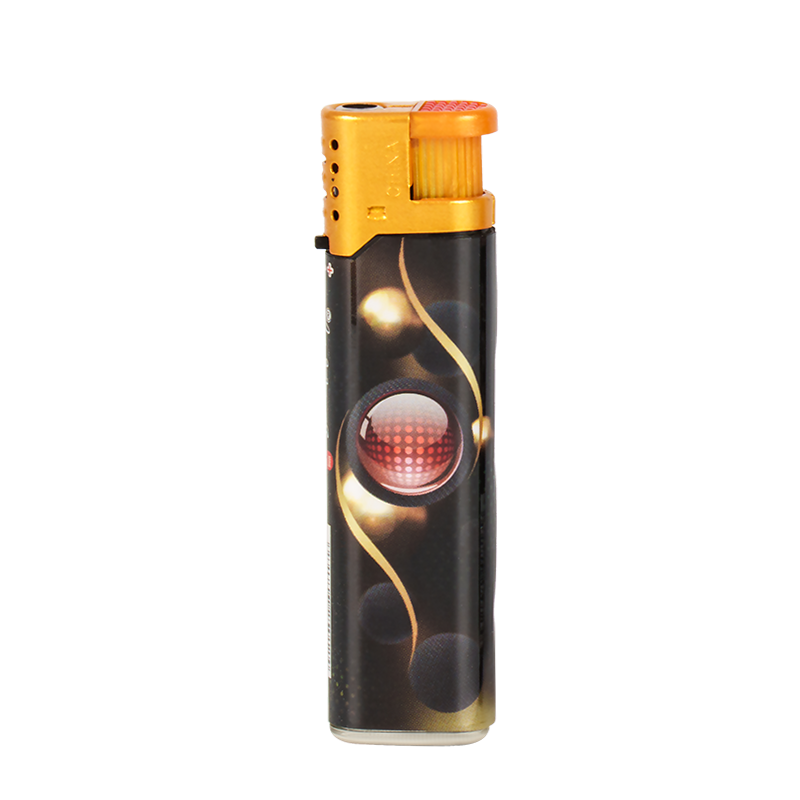
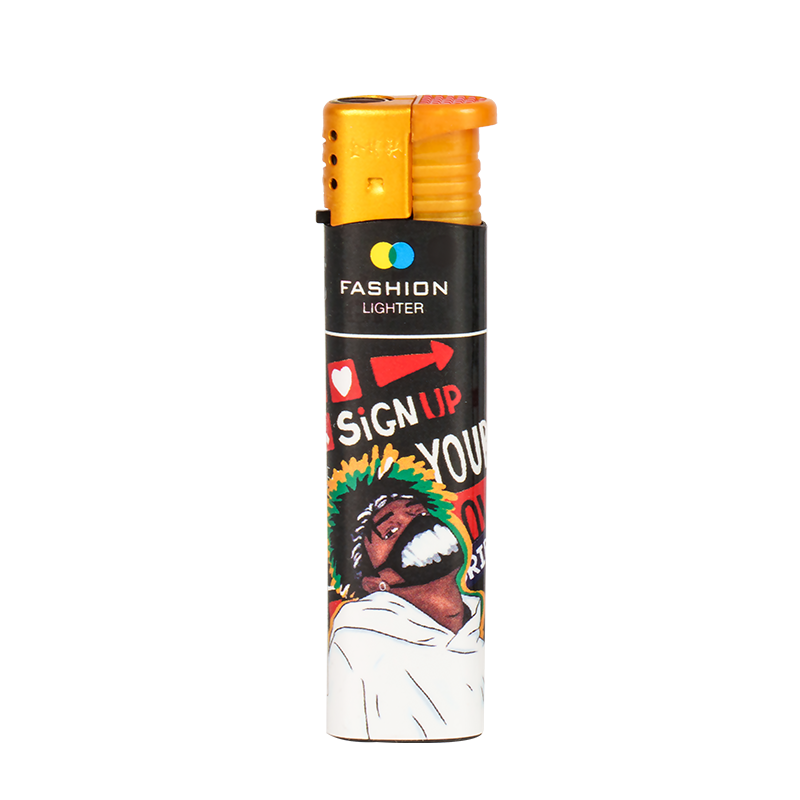
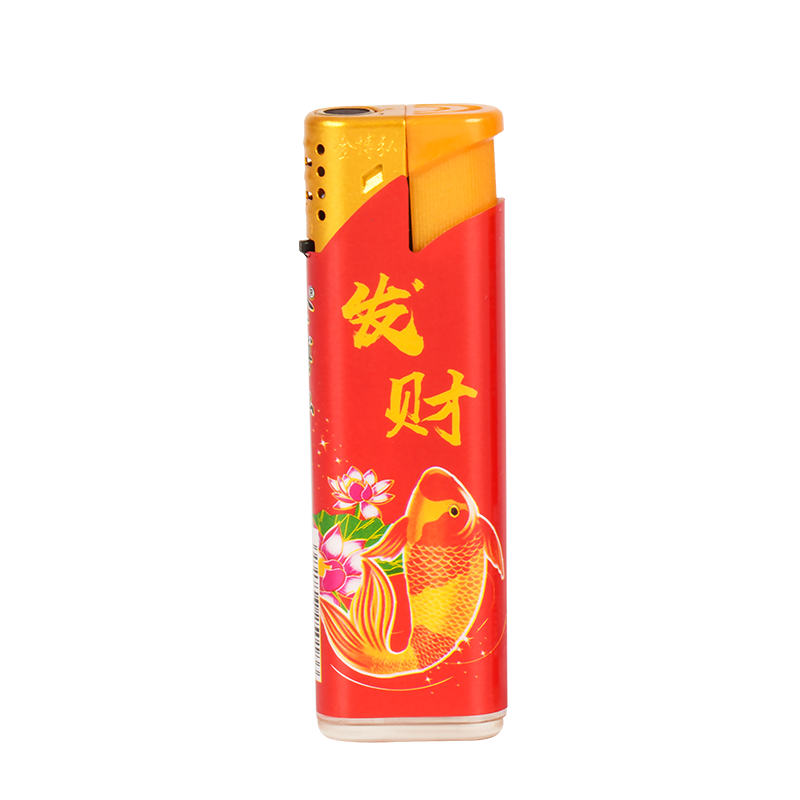
A pocket lighter is a compact, portable fire-starting device designed to be carried conveniently in a pocket, bag, or on a keychain. It is one of the most practical everyday carry (EDC) tools in the world, used for lighting candles, campfires, cigarettes, stoves, and emergency situations. With dozens of types, fuel options, ignition systems, and materials available, choosing the right pocket lighter requires understanding key differences in design, reliability, and use case.
The History and Evolution of the Pocket Lighter
The modern pocket lighter has a surprisingly long history. The first practical lighter was invented in 1823 by Johann Wolfgang Döbereiner, using hydrogen gas and platinum. However, the compact, pocketable lighter most people recognize today began evolving in the early 20th century. By the 1930s, windproof metal-cased lighters had become popular among soldiers and adventurers. Over the following decades, the introduction of disposable butane lighters in the 1970s revolutionized the market, making fire accessible to everyone at a low cost. Today, the global lighter market is valued at over $6.5 billion USD, with hundreds of millions of units sold annually worldwide.
Types of Pocket Lighters: A Comprehensive Overview
There are several major categories of pocket lighters, each suited to different needs and lifestyles. Understanding these types is the first step toward making the right choice.
1. Disposable Butane Pocket Lighters
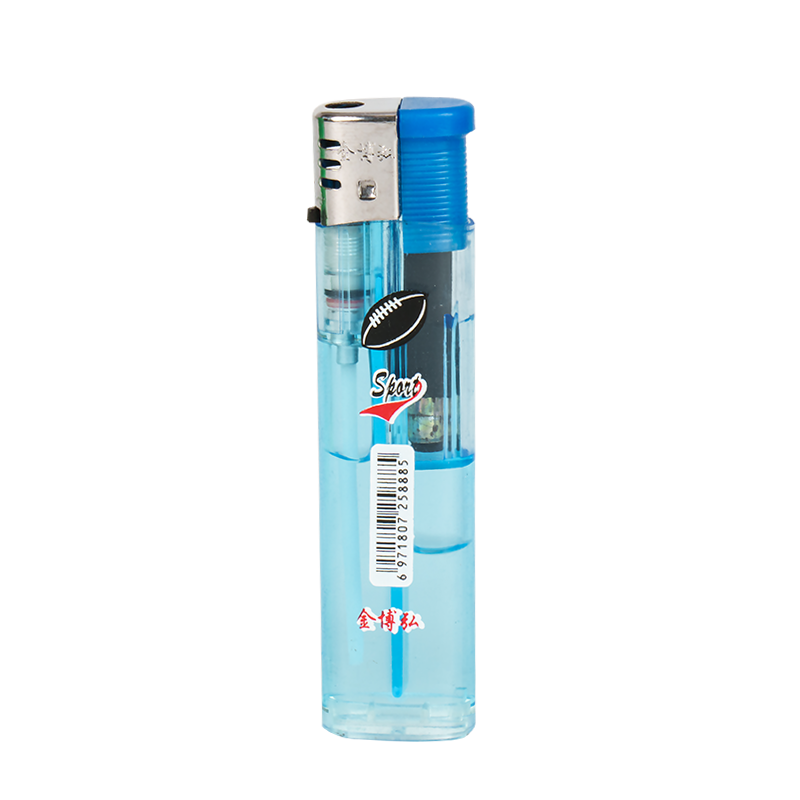
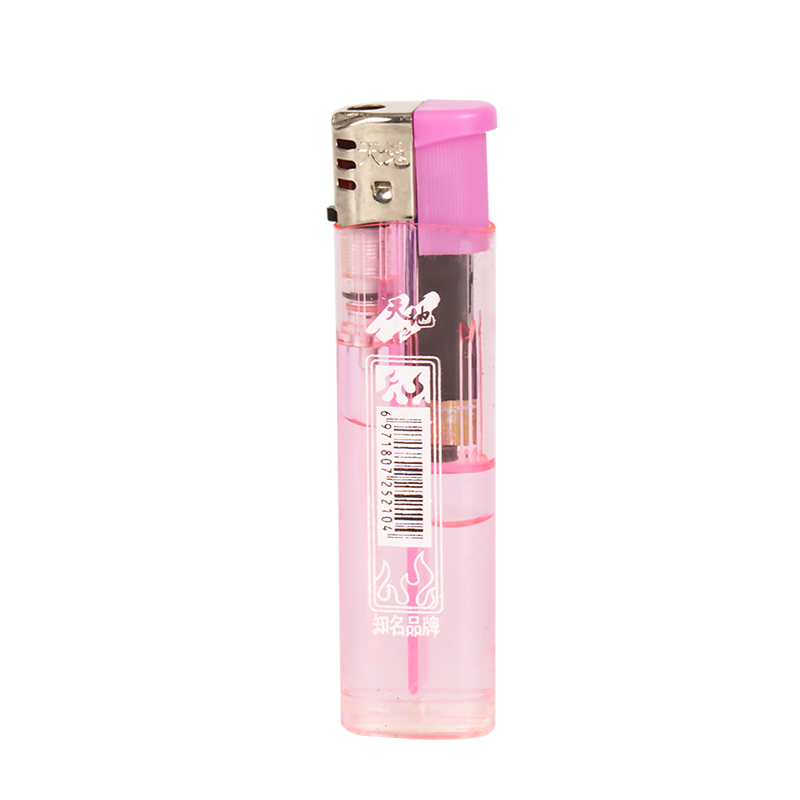
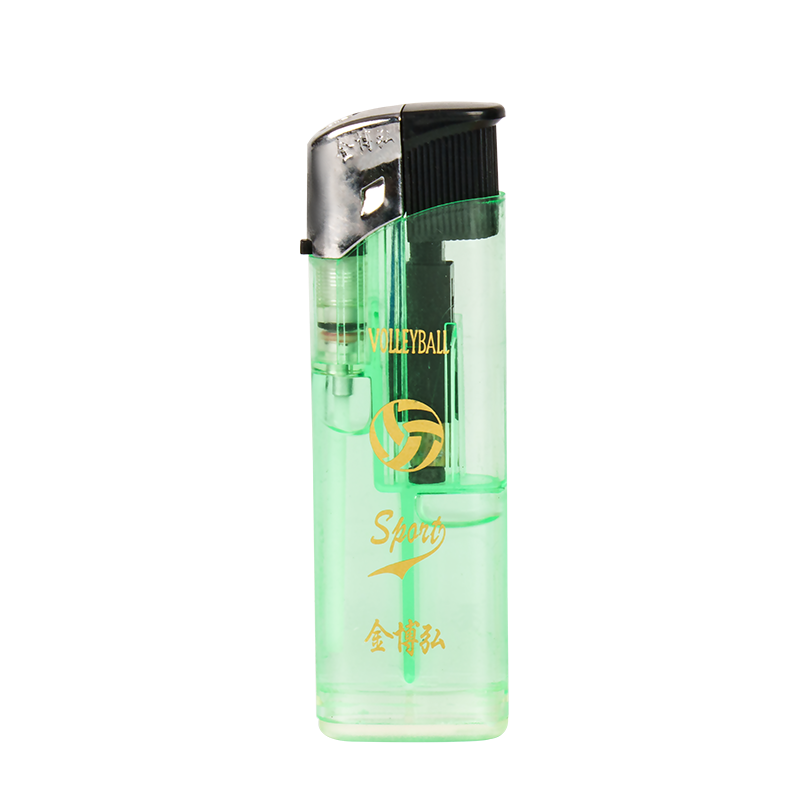
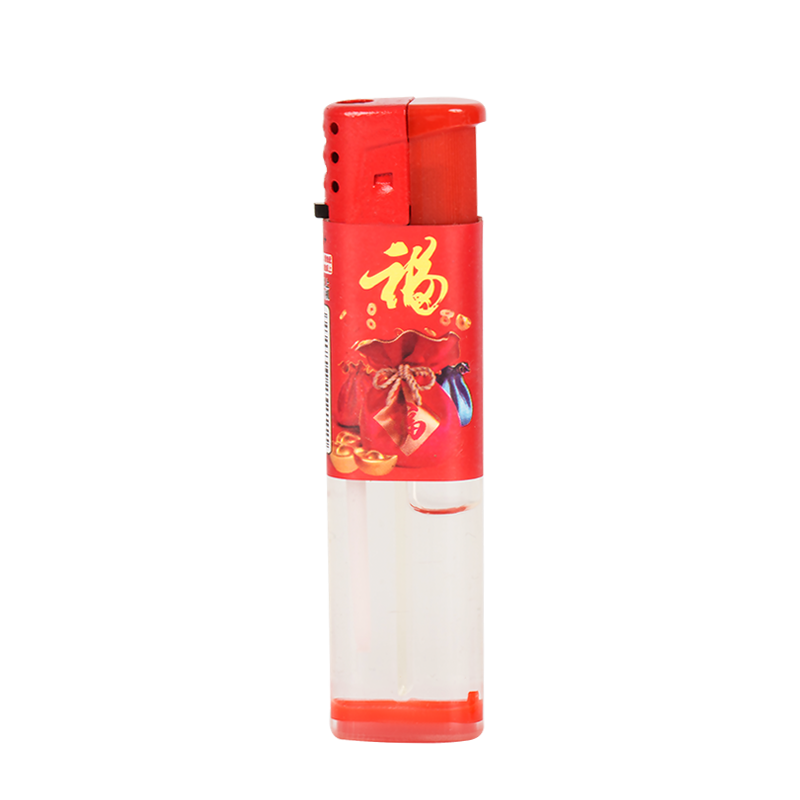
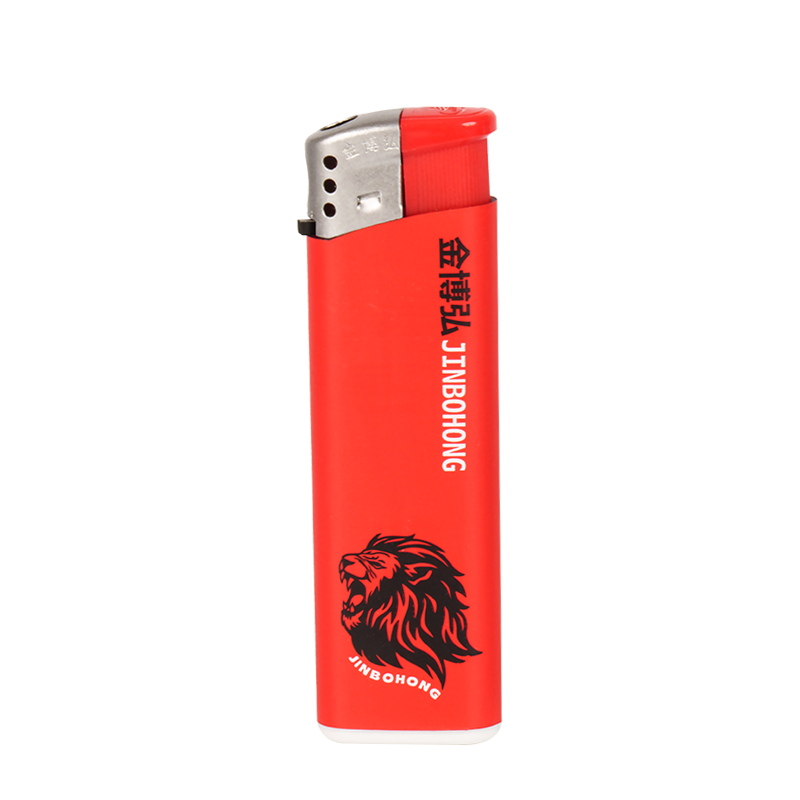
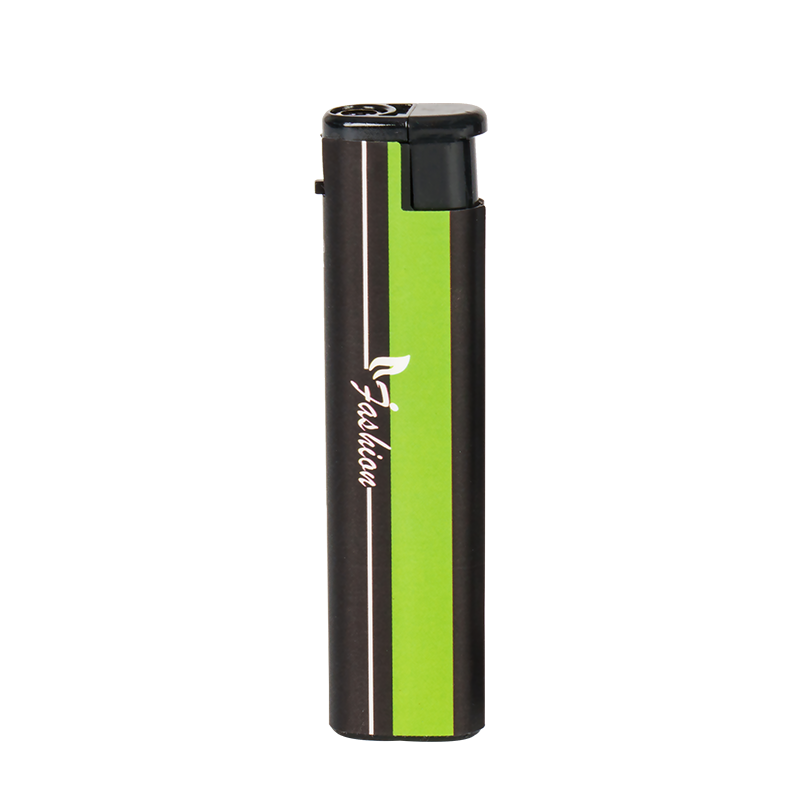
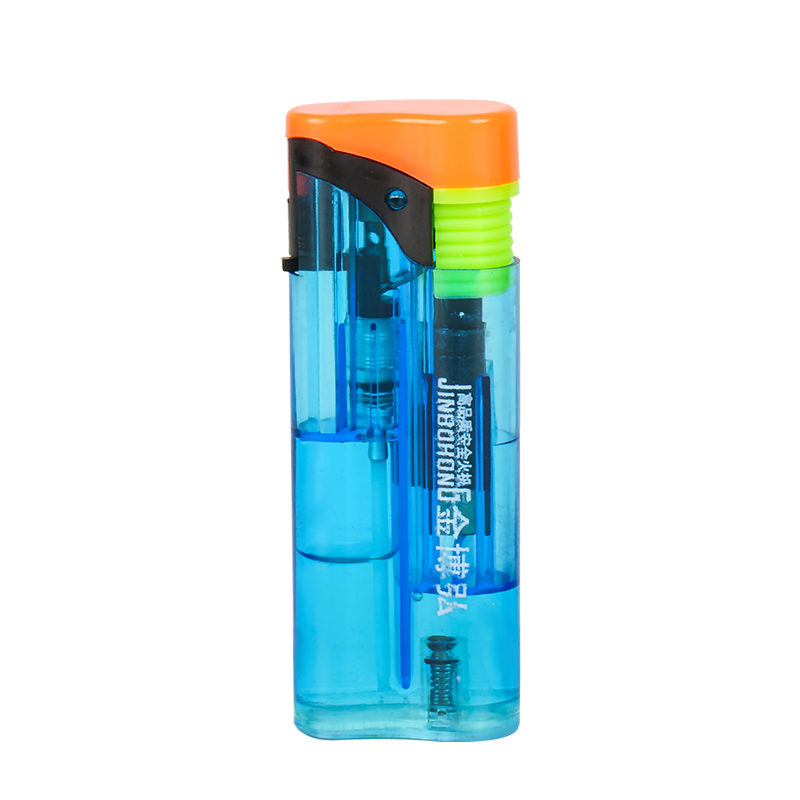
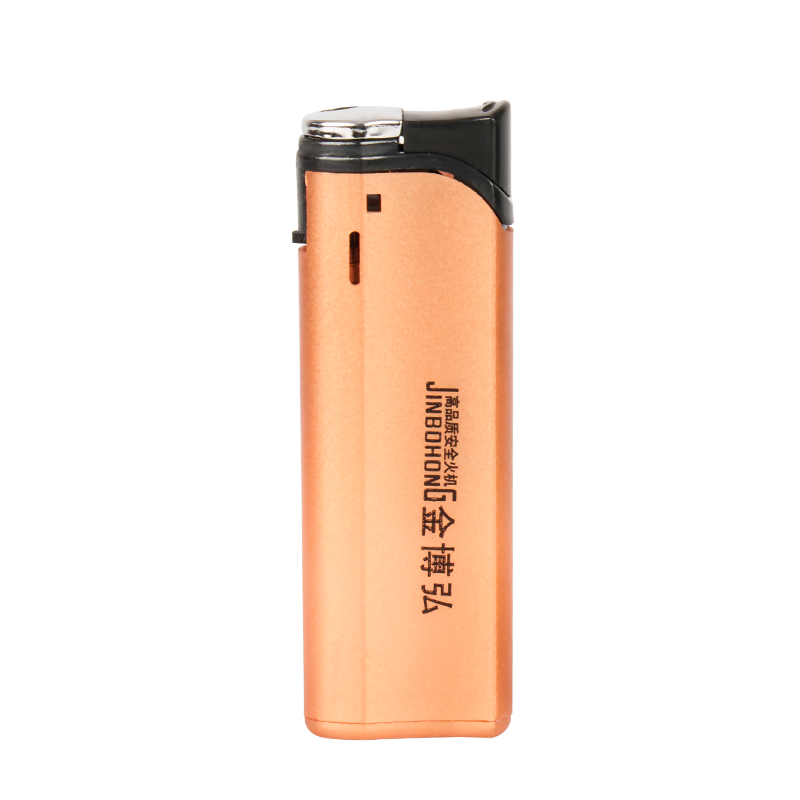
Disposable butane pocket lighters are the most common type globally. They are inexpensive (typically $1–$3 each), lightweight, and require no maintenance. They use a flint or piezoelectric ignition system. Their major drawback is that they cannot be refilled and must be discarded when empty, contributing to plastic waste. They work well in warm, calm conditions but may struggle in cold weather or wind.
2. Refillable Butane Pocket Lighters
Refillable butane lighters offer a sustainable alternative. They typically cost between $10 and $60 and can be refilled hundreds of times. Many feature adjustable flame height and are available in sleek, durable designs suitable for gifting or daily carry. A single butane canister (costing $2–$5) can refill a pocket lighter 5–10 times, making the long-term cost far lower than disposables.
3. Windproof Fluid (Naphtha) Pocket Lighters
Windproof fluid lighters use liquid naphtha (lighter fluid) as fuel and a wick-and-flint ignition system. They are prized for their exceptional reliability in wind and adverse weather. The metal casing is durable enough to last decades. These lighters require periodic refilling (roughly every 1–2 weeks with daily use) and wick/flint replacement. Lighter fluid is widely available and inexpensive.
4. Plasma / Arc Electric Pocket Lighters
Plasma arc lighters are flameless, windproof, and rechargeable via USB. They use high-voltage electric arcs to ignite materials. They are ideal for outdoor enthusiasts and eco-conscious users. A single charge (typically via USB-C) provides 100–300 ignitions. They cannot light traditional candle wicks or paper easily from a distance, but excel at direct contact ignition. Prices range from $15 to $50.
5. Torch / Jet Flame Pocket Lighters
Torch lighters produce a concentrated, high-temperature blue jet flame (reaching up to 2,500°F / 1,370°C). They are windproof, making them popular for outdoor cooking, soldering, and precision ignition tasks. They use pressurized butane and are available in both disposable and refillable variants. Most torch pocket lighters are priced between $10 and $40.
Pocket Lighter Comparison Table
| Type | Fuel | Windproof | Refillable | Avg. Price | Best For |
|---|---|---|---|---|---|
| Disposable Butane | Butane | No | No | $1–$3 | Everyday casual use |
| Refillable Butane | Butane | Partial | Yes | $10–$60 | Daily carry, gifting |
| Fluid (Naphtha) | Naphtha | Yes | Yes | $15–$80 | Outdoor / harsh weather |
| Plasma Arc | Electric (USB) | Yes | Rechargeable | $15–$50 | Eco-conscious users |
| Torch / Jet Flame | Butane | Yes | Yes | $10–$40 | Precision / outdoor cooking |
Key Features to Look for in a Pocket Lighter
The best pocket lighter for you depends on your specific needs. Here are the most important features to evaluate before making a purchase.
Ignition System
There are two primary ignition systems: flint-based and piezoelectric. Flint ignition requires a spark wheel to be rolled against a flint stone, producing sparks that ignite the fuel. Piezo ignition uses a small crystal that generates electricity when compressed, producing an instant spark with a single button press. Piezo systems are generally more reliable in the short term but can fail over time, while flint systems can be easily replaced. For outdoor use, piezo is more convenient; for long-term reliability, flint is preferred.
Windproof Performance
Windproof pocket lighters are essential for outdoor activities such as camping, hiking, and fishing. Standard butane lighters extinguish easily in winds above 10–15 mph, while torch and fluid lighters maintain their flame in conditions exceeding 40 mph. If you spend significant time outdoors, prioritize a lighter rated for windproof performance.
Fuel Capacity and Burn Time
Fuel capacity directly affects how long a lighter lasts between refills or before replacement. A standard disposable butane pocket lighter provides approximately 3,000 lights, while a refillable fluid lighter with a full tank offers around 400–600 extended lights before needing a refuel. Plasma arc lighters, charged via USB, typically deliver 150–300 ignitions per charge.
Build Material and Durability
Pocket lighter casings are made from a variety of materials. Plastic casings are lightweight and inexpensive but can crack under pressure or extreme temperatures. Stainless steel and aluminum casings offer superior durability, scratch resistance, and heat dissipation. Some high-end models feature brass or chrome plating for aesthetic appeal. For everyday carry, a metal-cased lighter is generally the more durable investment.
Safety Features
Modern pocket lighters include a variety of safety mechanisms. Child-resistant lighters require increased thumb pressure or a two-step action to ignite, significantly reducing accidental activation. Locking mechanisms on refillable lighters prevent fuel leaks during transport. In the United States, ISO 9994 and CPSC safety standards mandate child-resistant designs on lighters sold to consumers since 1994.
Pocket Lighter Materials Comparison
| Material | Durability | Weight | Heat Resistance | Typical Cost |
|---|---|---|---|---|
| Plastic | Low | Very Light | Low | $1–$5 |
| Aluminum | Medium | Light | Medium | $10–$35 |
| Stainless Steel | High | Medium | High | $20–$80 |
| Brass / Chrome | Very High | Heavy | Very High | $30–$150+ |
How to Properly Maintain a Pocket Lighter
Proper maintenance significantly extends the life of any pocket lighter and ensures reliable performance every time.
- Refilling butane lighters: Always purge remaining gas before refilling by pressing the fill valve with a small tool. Fill in an inverted position for 5–10 seconds. Allow the lighter to reach room temperature before igniting (wait at least 2 minutes after refilling).
- Replacing flint: Unscrew the flint spring at the bottom of the lighter, remove the old flint, and insert a new one. Standard replacement flints are available at most hardware stores for under $2 for a pack of eight.
- Cleaning the burner: For torch lighters, use compressed air to blow out debris from the nozzle. Clogged nozzles are the leading cause of torch lighter malfunction.
- Replacing the wick (fluid lighters): Pull the old wick out, insert the new wick so it protrudes about 3mm above the chimney, and refill with lighter fluid before use.
- Charging arc lighters: Avoid fully depleting the battery. Charge every 2–3 weeks even if unused, to maintain battery health and extend overall lifespan.
Pocket Lighter Safety Tips You Should Know
Even the most common pocket lighter can be a hazard if used improperly. Following safety guidelines is essential.
- Never hold the lighter flame near your face or hair.
- Keep pocket lighters away from children at all times. In the US alone, children playing with lighters cause approximately 2,300 fires per year, resulting in around 150 deaths annually, according to the U.S. Consumer Product Safety Commission.
- Do not expose lighters to temperatures above 120°F (49°C), such as in a closed car on a hot day. Pressure buildup can cause explosions.
- Never modify a lighter or attempt to increase its flame height beyond the manufacturer's specification.
- Store lighters horizontally, away from flammable materials.
- Dispose of empty disposable lighters responsibly. Many municipalities have hazardous materials drop-off programs for lighters.
Pocket Lighter for Everyday Carry (EDC): What to Consider
For EDC enthusiasts, the ideal pocket lighter balances compactness, reliability, and style. The most popular EDC lighter format is the slim butane or fluid lighter with a flat profile that slides easily into a front pocket without bulging. Sizes typically range from 1.5 to 3 inches in height and under 0.5 inches in thickness for premium slim designs.
Key EDC considerations include:
- Size and weight: Under 2 oz (57g) is ideal for pocket carry without discomfort.
- Clip or keyring attachment: Some pocket lighters feature a built-in clip or ring for keychain attachment, keeping them accessible at all times.
- Reliability in cold weather: Butane fuel performs poorly below 32°F (0°C). For cold climates, fluid or arc lighters are more dependable.
- Refillability: A refillable lighter saves money and reduces environmental waste over time.
Environmental Impact of Pocket Lighters
The environmental impact of pocket lighters is a growing concern. Globally, an estimated 1.5 billion disposable lighters are discarded each year. Most plastic lighters are not recyclable in standard municipal programs and end up in landfills, where they take hundreds of years to decompose. Butane, while cleaner-burning than many fossil fuels, still contributes greenhouse gas emissions.
Switching to a high-quality refillable pocket lighter can dramatically reduce your environmental footprint. A single refillable lighter used over 10 years replaces roughly 50–100 disposable units, preventing kilograms of plastic waste. Plasma arc lighters, which run on rechargeable batteries and produce zero combustion emissions, represent the most environmentally responsible option currently available.
Pocket Lighter Use Case Recommendations
| Use Case | Recommended Type | Why |
|---|---|---|
| Camping / Hiking | Fluid or Torch | Windproof, durable, works in cold |
| Everyday Carry (EDC) | Slim Refillable Butane | Compact, stylish, low maintenance |
| Emergency Preparedness | Fluid Lighter | Long shelf life, extreme weather reliable |
| Eco-Conscious Use | Plasma Arc | No fuel, rechargeable, flameless |
| Occasional / Budget Use | Disposable Butane | Cheap, widely available, no commitment |
| Precision Ignition / Cooking | Torch / Jet Flame | Directed, high-heat, windproof flame |
Frequently Asked Questions About Pocket Lighters
Q: How long does a pocket lighter last?
A standard disposable pocket lighter provides approximately 3,000 ignitions before running out of fuel. A refillable fluid lighter, with regular maintenance, can last a lifetime — some users report using the same lighter for 20 or more years. Arc lighters have battery lifespans of 2–5 years depending on usage and charging habits.
Q: Can I take a pocket lighter on an airplane?
Yes, with restrictions. TSA (Transportation Security Administration) in the United States permits one pocket lighter in carry-on baggage or on your person, but not in checked luggage. Torch lighters (jet flame) are prohibited in both carry-on and checked bags on most airlines. Always check airline-specific policies before traveling.
Q: What is the best fuel for a refillable pocket lighter?
For butane lighters, use premium triple-refined butane, which contains fewer impurities that can clog valves and burners over time. Cheaper butane blends may save money initially but significantly reduce the lighter's lifespan and reliability. For fluid lighters, use only the specific lighter fluid recommended for wick-based designs — do not substitute gasoline or other flammable liquids.
Q: Why does my pocket lighter spark but not light?
The most common cause is an empty fuel tank. If the tank is not empty, the issue may be a clogged burner nozzle, a worn flint, or a faulty ignition system. For butane lighters, try purging and refilling the tank. For fluid lighters, check the wick — if it is charred or too short (less than 2mm above the chimney), replace it. If the piezo ignition produces no spark at all, the crystal may need replacement.
Q: Are windproof pocket lighters worth the extra cost?
Windproof pocket lighters are absolutely worth the investment for anyone who spends time outdoors. A standard lighter failing in moderate wind is not just inconvenient — it can be a safety issue during emergencies. Windproof models typically cost 3–10x more than basic disposables, but their reliability, durability, and longevity make them a sound long-term investment.
Q: How do I know when my pocket lighter needs to be refilled?
For fluid lighters, the transparent window or cotton pack inside will appear dry rather than soaked with fluid. For butane lighters, the flame height will decrease noticeably or the lighter may fail to ignite entirely. Arc lighters typically include an LED indicator that signals low battery. As a general rule, refill or recharge before heading outdoors to avoid being caught without fire when you need it most.
Q: What is the difference between a soft flame and a hard flame pocket lighter?
Soft flame lighters produce a traditional, gentle, orange-yellow flame that flickers in wind and is well-suited for lighting cigarettes, candles, and incense. Hard flame (torch) lighters produce a pressurized, blue, concentrated jet flame that is wind-resistant and burns at much higher temperatures. Torch lighters are preferred for tasks requiring precision heat, such as lighting cigars, soldering, or starting campfires in adverse conditions.
Final Verdict: Choosing the Right Pocket Lighter
The best pocket lighter is one that matches your lifestyle, budget, and most common use scenarios. If you need a reliable, budget-friendly option for occasional use, a standard disposable butane lighter will serve you well. For everyday carry with longevity in mind, invest in a refillable slim butane or fluid lighter with a durable metal casing. If your lifestyle takes you outdoors frequently, a windproof fluid or torch lighter is the smarter choice. And if you care about sustainability and technology, a plasma arc lighter is worth every penny.
Ultimately, the pocket lighter market offers something for everyone. By understanding the differences in fuel type, ignition system, material, and safety features outlined in this guide, you can make a confident, informed purchase that serves you reliably for years to come.