

 English
 русский
 Español
 عربى
عربى


What Defines a Top Rated Lighter?
A top rated lighter is defined by measurable performance rather than brand reputation or price point. The models that earn consistently strong ratings share four qualities: ignition that works on the first click, a flame that holds steady in wind, a body that survives daily drops, and a fuel system that does not leak or fail without warning.
In our production and quality-control work, we evaluate these qualities with simple, repeatable checks rather than subjective impressions. A lighter that fails to ignite once out of twenty attempts is not reliable enough for outdoor use, regardless of how the body looks or how well the model sells. The same logic applies to material quality: a thin metal shell or a loosely fitted fuel valve creates problems within weeks, not years.
| Criteria | Why It Matters | What to Check |
|---|---|---|
| Ignition reliability | The lighter must light on the first or second click every time. | Perform a 20-click test; look for skipped or weak sparks. |
| Wind resistance | The flame must stay lit in crosswinds and gusts. | Test at different wind speeds and observe flame behavior under stress. |
| Build durability | The body and valve must absorb drops, compression, and temperature swings. | Drop test the lighter; inspect shell thickness, hinge, and valve seating. |
| Fuel system | Butane storage and release must stay consistent over time. | Check for leaks after refills and confirm the flame height stays adjustable. |
| Safety protection | Prevents accidental ignition and reduces the risk of gas leakage. | Test the lock or trigger resistance; confirm clean valve closure between uses. |
The Main Types of Top Rated Lighters
The best lighter for you is the type that matches your dominant use case, because each ignition system trades one strength for another. Electronic lighters ignite instantly and keep working in wind but rely on a charge; jet-style windproof lighters handle strong wind and wet conditions but burn fuel faster; traditional friction-wheel lighters are simple and refillable but struggle outdoors.
The categories that appear again and again in top rated discussions are:
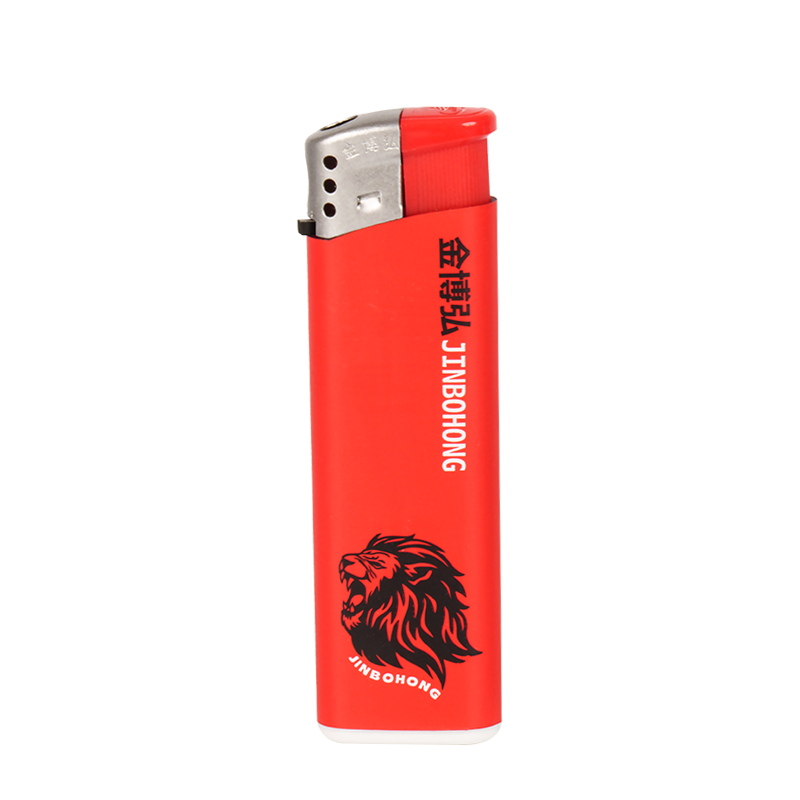
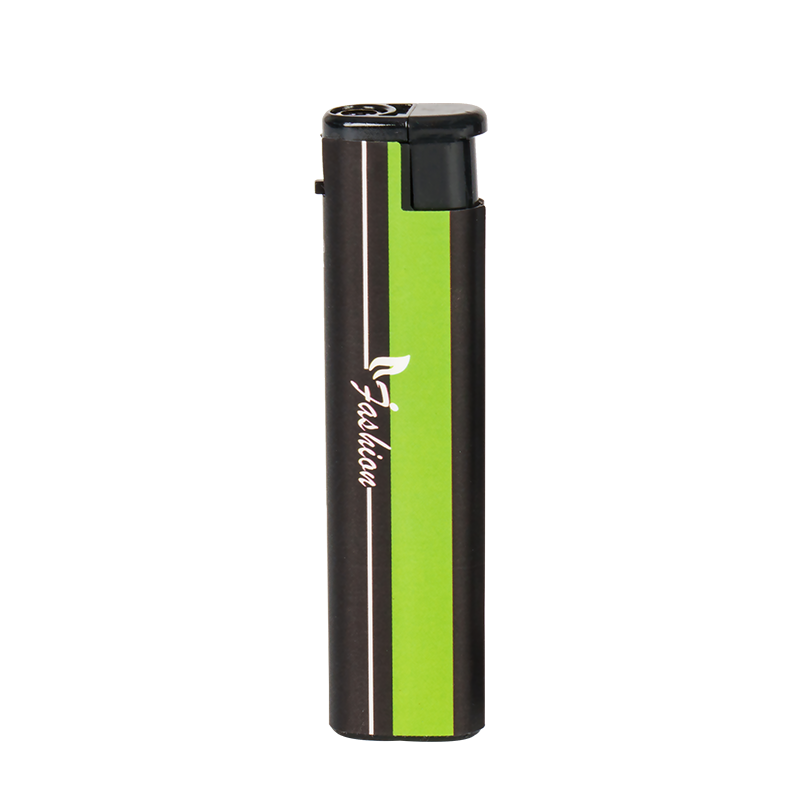
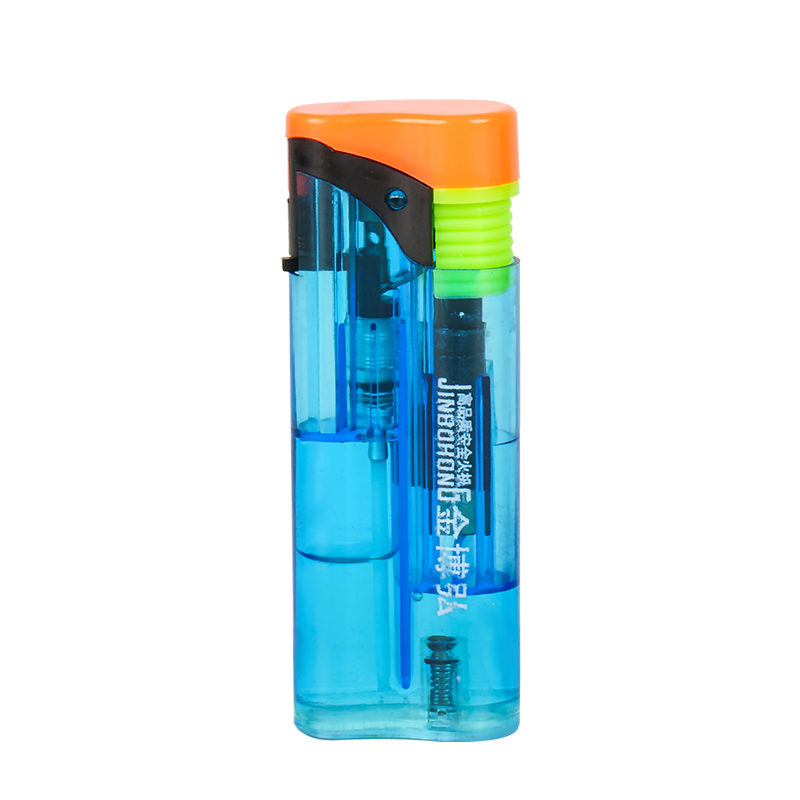
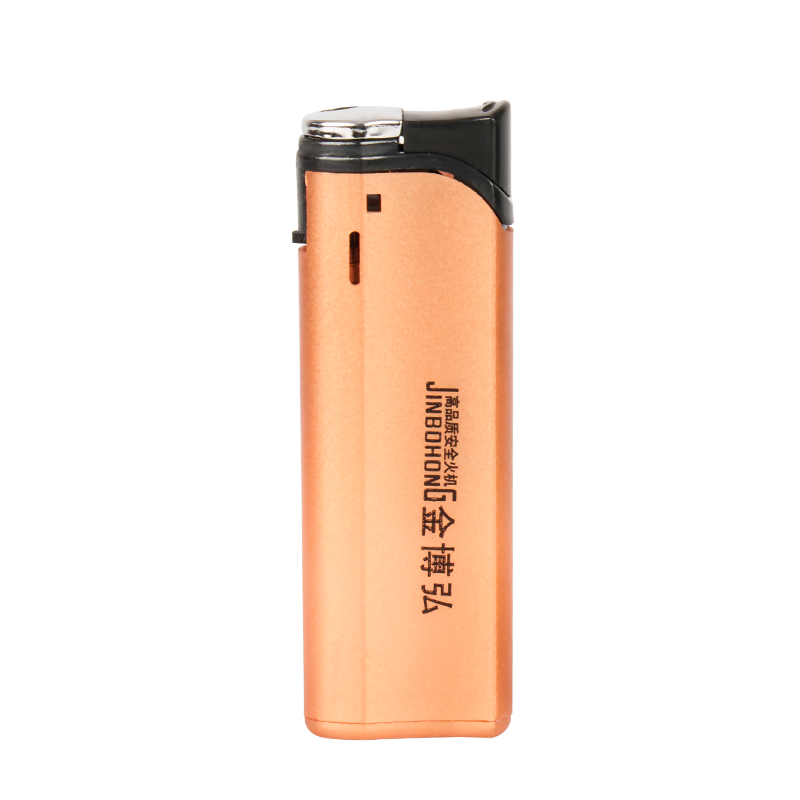
- Electronic open flame lighters – use a piezoelectric spark to create a controlled open flame; ideal for candles, indoor use, and everyday carry.
- Windproof jet lighters – compress butane into a high-pressure torch flame; the standard choice for outdoor and windy conditions.
- Iron-shell windproof lighters – combine windproof ignition with a heavy-duty steel body; built for survival kits and rough handling.
- Wheel friction lighters – use a flint wheel and exposed flame; valued for simplicity and long shelf life.
- Blue flame jet lighters – produce a precise, concentrated blue flame; popular for cigars, pipes, and controlled heating tasks.
| Type | Ignition Method | Best For | Main Trade-off |
|---|---|---|---|
| Electronic open flame | Piezo spark | Indoor use, candles, daily carry | Depends on battery or charge state |
| Windproof jet | Butane torch | Outdoor trips, strong wind, cigars | Higher fuel consumption |
| Iron-shell windproof | Piezo or friction | Heavy-duty outdoor and survival use | Heavier and bulkier |
| Wheel friction | Flint wheel | Simple long-term storage | Poor performance in wind |
| Blue flame jet | Butane blue flame | Precise flame control | Flame is harder to see in sunlight |
What to Look For: Features That Earn a Top Rating
Three features decide whether a lighter genuinely deserves a top rating: windproof behavior, durable construction, and a safe fuel system. Every other detail, from finish to packaging, is secondary to these three.
Windproof Ignition
When a lighter is called top rated in outdoor reviews, wind resistance is the first thing tested. A lighter earns this label only if it can ignite and keep burning in a crosswind that would extinguish a normal flame instantly.
Windproof models use a jet-style nozzle that accelerates butane into a high-pressure blue flame. The flame burns hot and stays attached to the burner even in gusts, which is why windproof lighters dominate camping and hiking recommendations. Our powerful electronic windproof lighter is built on this same principle, and we test it at several wind speeds before it leaves the factory. If you want to understand what reviewers actually evaluate, our guide to the top features to look for in a windproof lighter breaks down each test in practical terms.
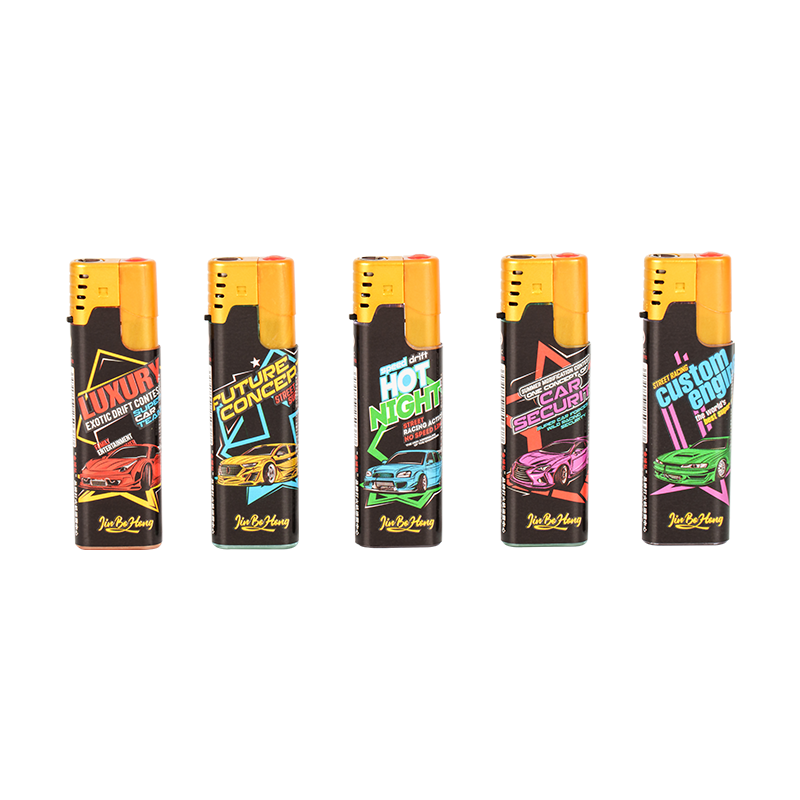 Wholesale JH9017 Powerful Electronic Windproof Lighters Manufacturers, OEM CompaCixi Jihong Electronics Co., Ltd is China OEM JH9017 Powerful Electronic Windproof Lighters suppliers and JH9017 Powerful Electronic Wind...View Product →
Durable Construction
Durability is the second factor that separates a top rated lighter from a disposable one. A lighter that lives in a pocket, backpack, or survival kit will be dropped, compressed, and exposed to temperature changes; the housing and the internal valve have to absorb that abuse.
Iron-shell models are the clearest example of this design priority. A steel body resists cracks and dents that would destroy a plastic case, and a properly seated fuel valve keeps butane sealed even after impact. The durable iron-shell windproof lighter we manufacture is a direct response to this requirement: the shell thickness, hinge, and valve seating are specified for repeated impact, not just for visual appeal.
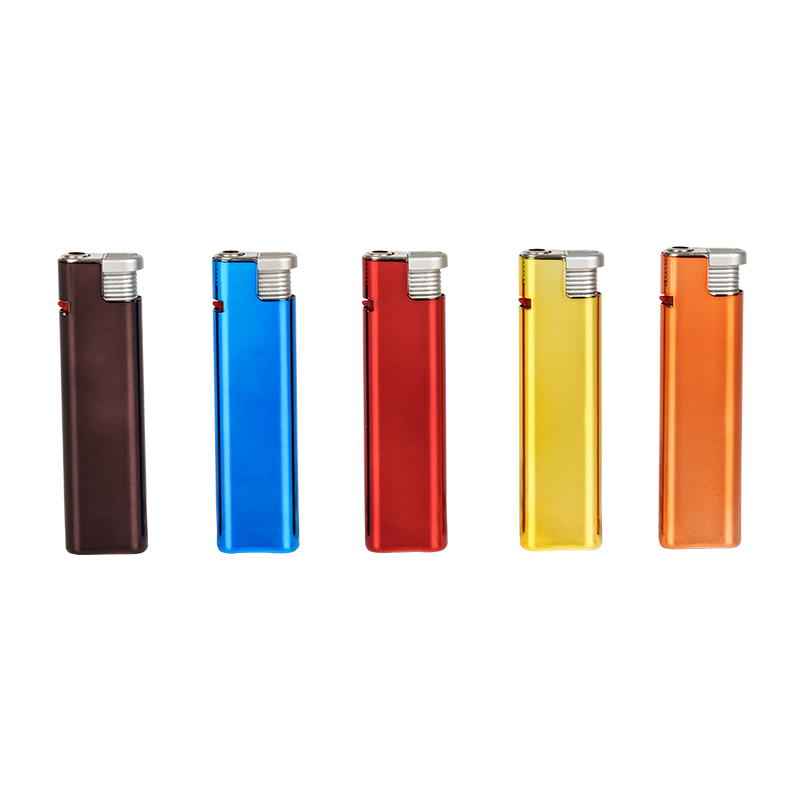 Wholesale Durable Iron Shell Windproof Lighter JH805 Manufacturers, OEM Company Cixi Jihong Electronics Co., Ltd is China OEM Durable Iron Shell Windproof Lighter JH805 suppliers and Durable Iron Shell Windproof Light...View Product →
Fuel System and Safety
The third rating factor is safety, which is really the fuel system plus the ignition lock working together. A top rated lighter must not leak gas when stored, must not ignite accidentally in a bag or pocket, and should make the risk of misuse obvious to children.
The electronic open flame design, which uses a piezoelectric spark rather than a constantly open flame, reduces the chance of a sustained fire after an accidental drop. Our durable open flame lighter includes a guarded trigger and a valve that seals cleanly between uses. For a full discussion of carry risks, read our summary of whether windproof lighters are safe for pocket carry.
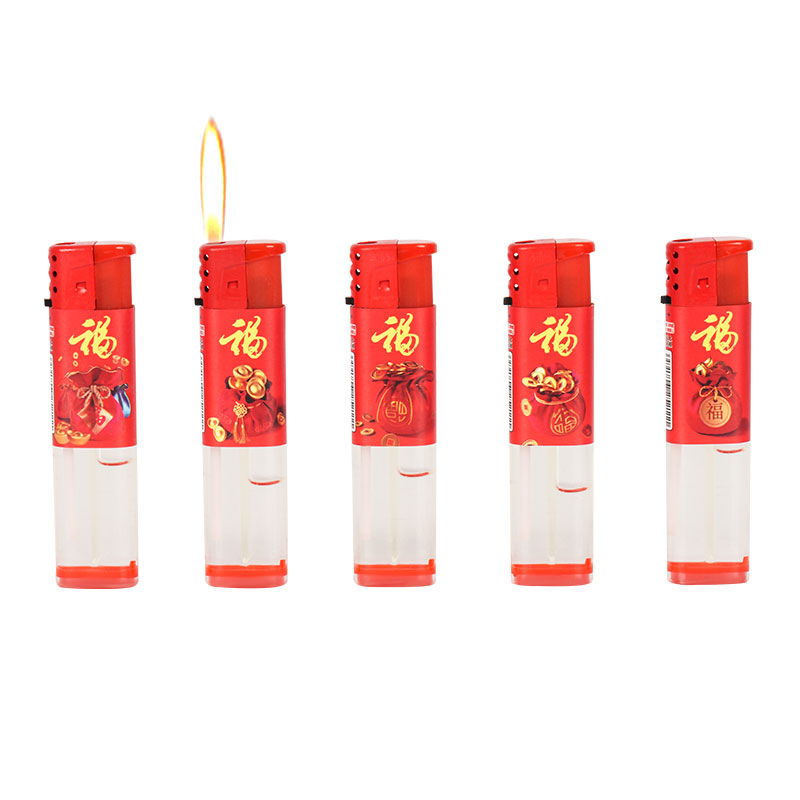 Wholesale Durable Open Flame Lighter JH211 Manufacturers, OEM Company - China CiCixi Jihong Electronics Co., Ltd is China OEM Durable Open Flame Lighter JH211 suppliers and Durable Open Flame Lighter JH211 company, ou...View Product →
Matching the Right Lighter to the Right Use
A lighter that is top rated for camping may be the wrong choice for a workshop or a bedside table, because each environment stresses different parts of the design. The selection process is easier when you define your primary scenario before comparing models.
- Camping and hiking: choose a windproof jet or iron-shell lighter that can ignite in wind and light rain.
- Everyday carry (EDC): look for a compact, pocket-safe model with a child-resistant lock and clean valve closure.
- Cigar and pipe use: a torch flame lights evenly and avoids the soot of a soft flame.
- Candles and home use: an electronic open flame lighter gives a clean, fume-free ignition with no flint replacement.
- High-altitude trips: butane vapor pressure drops in cold and thin air, so choose a model designed for altitude stability.
Before buying, define the single scenario that matters most. If your answer is outdoor trips, invest in wind resistance and durability; if the lighter stays at home, a simpler electronic model gives you better value and fewer refills.
Maintenance and Safety Checklist
Even a top rated lighter loses its reliability when fuel, ignition contacts, or flints are neglected. Routine care takes less than a minute and prevents most field failures, so make these checks part of your regular use.
- Refill with high-purity butane and purge the air chamber before each refill to avoid pressure problems.
- Set the flame to its minimum height when storing the lighter for more than a few days.
- Keep the ignition contacts and nozzle free of dust and fuel residue.
- Replace the flint on friction-wheel models before it wears completely flat.
- Ignite the lighter once after each refill to confirm steady flame behavior before you rely on it.
For a deeper look at how these checks are performed, see how windproof performance is tested under different environmental conditions.
Frequently Asked Questions
Are windproof lighters safe to carry in a pocket?
Yes, a windproof lighter is safe for pocket carry when the ignition lock is engaged and the fuel valve seals properly. The risk of accidental ignition comes from poorly designed triggers or cheap valves, not from the windproof mechanism itself, so check the lock and the seated valve on every refill.
How long does a top rated lighter last?
With proper care, a quality lighter lasts for years because the body and valve are designed for repeated refills. The only parts that wear out are consumables like flints, seals, and ignition contacts, all of which can be replaced or serviced.
How often should I refill a butane lighter?
The refill interval depends on flame height and usage, but most jet-style lighters provide roughly 30 to 60 minutes of total burn time per full tank. If you notice a weaker flame or a longer ignition delay, the fuel level is low and a refill is needed.
Why does a lighter fail to ignite on the first try?
The usual causes are low fuel, a clogged nozzle, a worn flint, or an incorrectly adjusted flame. Check the fuel level first, then clean the ignition area and confirm the flame adjuster is set in its working range rather than at the minimum position.