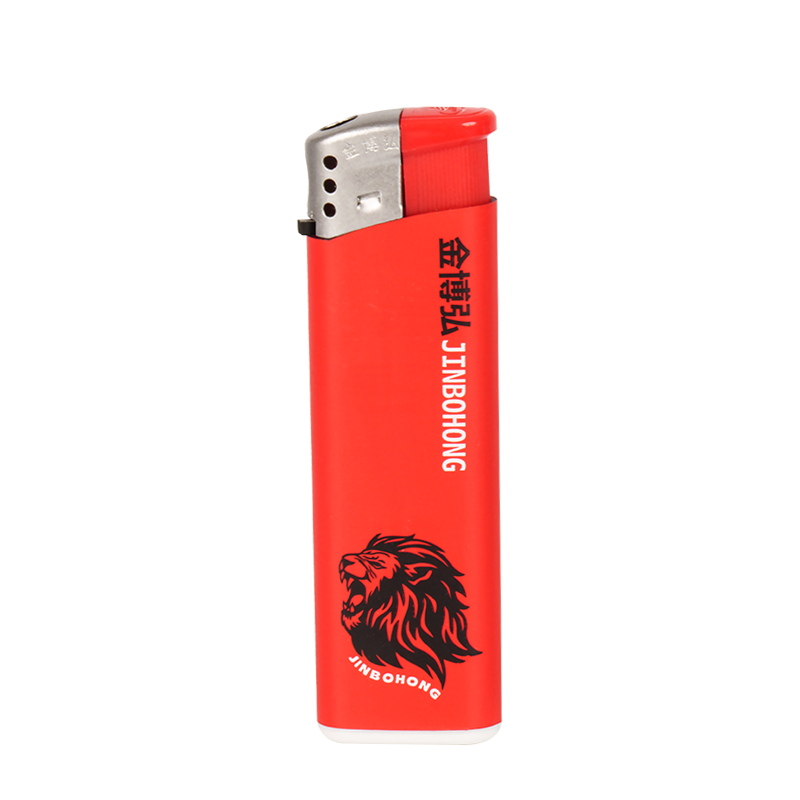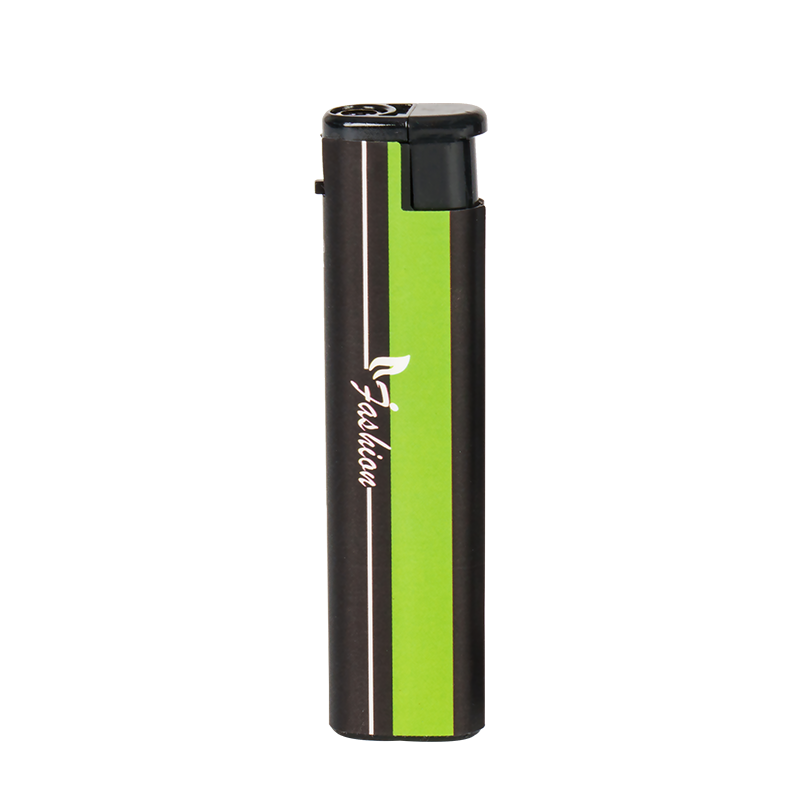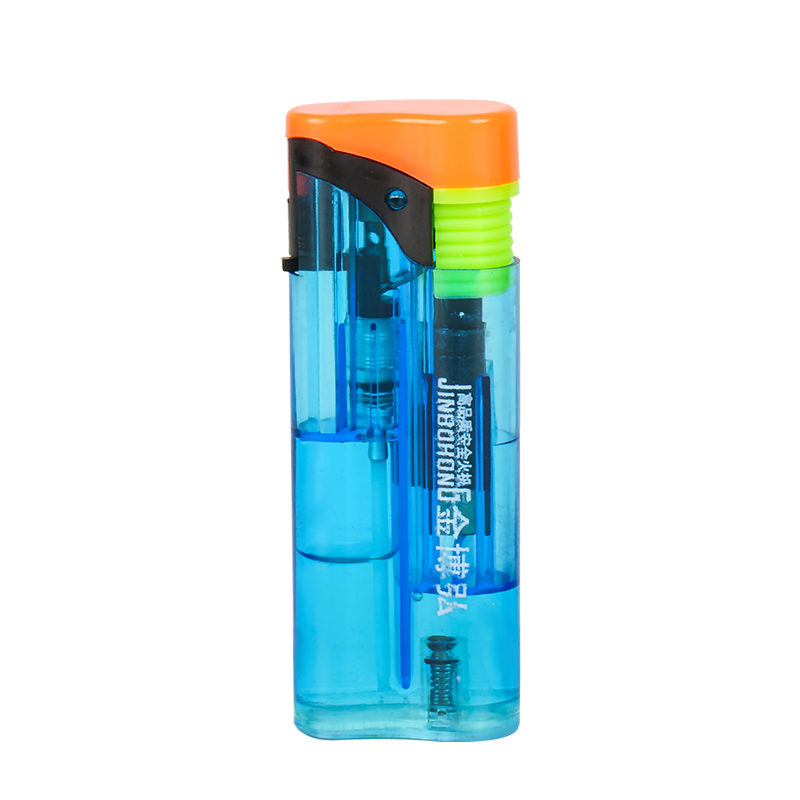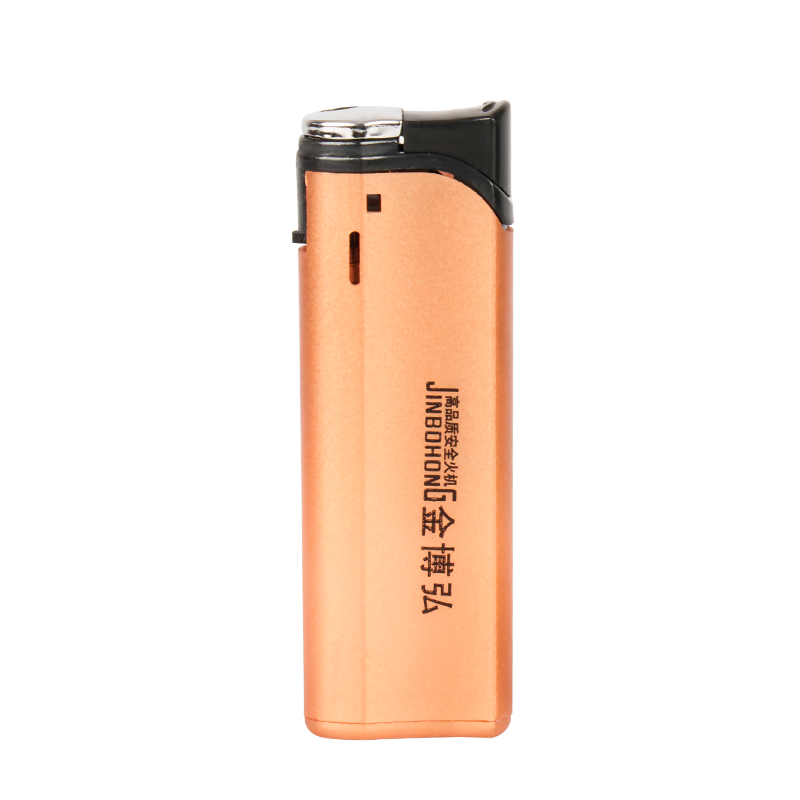
Engraving a lighter transforms a daily utility item into something with personal or professional significance. The reasons for doing so are varied, but they all center on making the object uniquely yours. For individuals, a personalized lighter serves as a thoughtful gift for occasions like birthdays, Father's Day, or anniversaries. It can also function as a personal identifier, reducing the chance of loss in shared spaces like offices or workshops. For businesses, engraving a corporate logo or a motivational slogan onto a lighter turns a simple product into a promotional tool that clients and employees use regularly.
The motivation often goes deeper than aesthetics. A lighter engraved with a date, a name, or a short message can commemorate a graduation, a retirement, or a team event. As personalization is becoming a key trend in the lighter market, engraving has moved beyond simple name tags to detailed artwork, logos, and meaningful messages. This shift reflects a broader desire for products that tell a story, making the engraved lighter a canvas for identity and memory.
Not every lighter body accepts engraving well. The material determines not only how clean the engraved lines will be but also how the lighter will age after the process. The best results come from metal shells—specifically iron, steel, brass, and zinc alloys. These materials are hard enough to hold fine detail without cracking, yet their surfaces react predictably to cutting or laser ablation.
Iron and steel shells are particularly well-suited for engraving due to their hardness and durable finish. They provide a flat, stable canvas that works with both hand tools and laser equipment. If you are looking for a lighter with a flat, sturdy metal surface that takes engraving well, an iron-shell windproof lighter is a solid choice. Its robust construction ensures the engraving remains legible even with daily pocket carry.
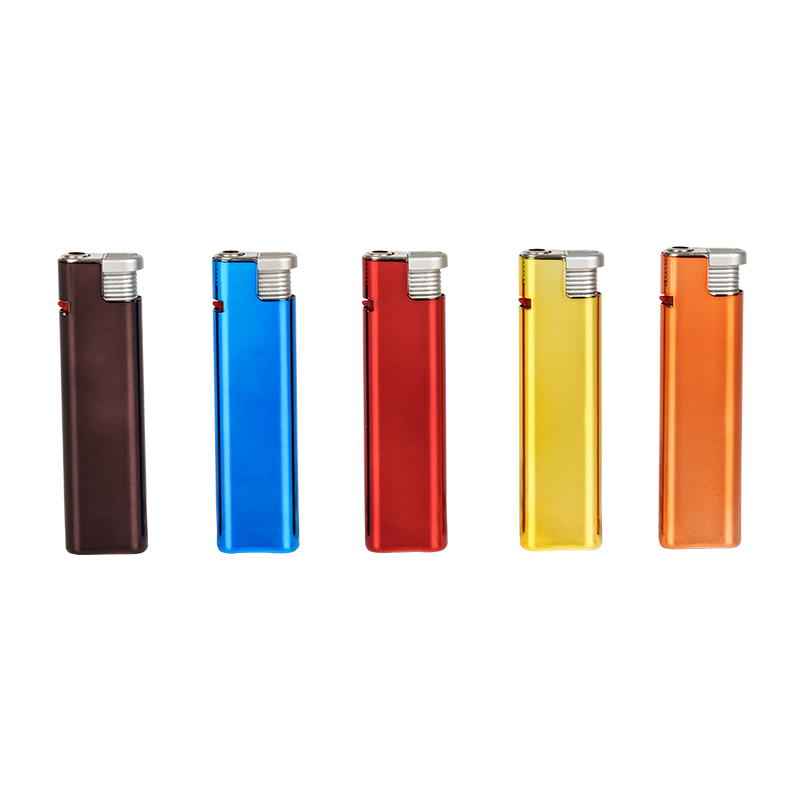 Wholesale Durable Iron Shell Windproof Lighter JH805 Manufacturers, OEM Company Cixi Jihong Electronics Co., Ltd is China OEM Durable Iron Shell Windproof Lighter JH805 suppliers and Durable Iron Shell Windproof Light...View Product →
Copper and brass are softer metals that are easier to cut by hand. They produce deep, warm-toned grooves that can look striking, but they are more prone to scratching and tarnishing over time. Zinc alloy, often used in die-cast lighters, offers a good balance—it is hard enough for laser marking and receptive to polishing after engraving. Aluminum is lightweight and easy to hand-engrave, but it tends to produce burrs along the edges of the cut lines, requiring extra finishing work.
Plastic and composite bodies are generally unsuitable for engraving. They melt or crack under laser heat, and hand tools tend to chip rather than cut cleanly. Avoid these materials unless you are using a rotary tool with a very low speed and a specialized burr, as the results are often unpredictable.
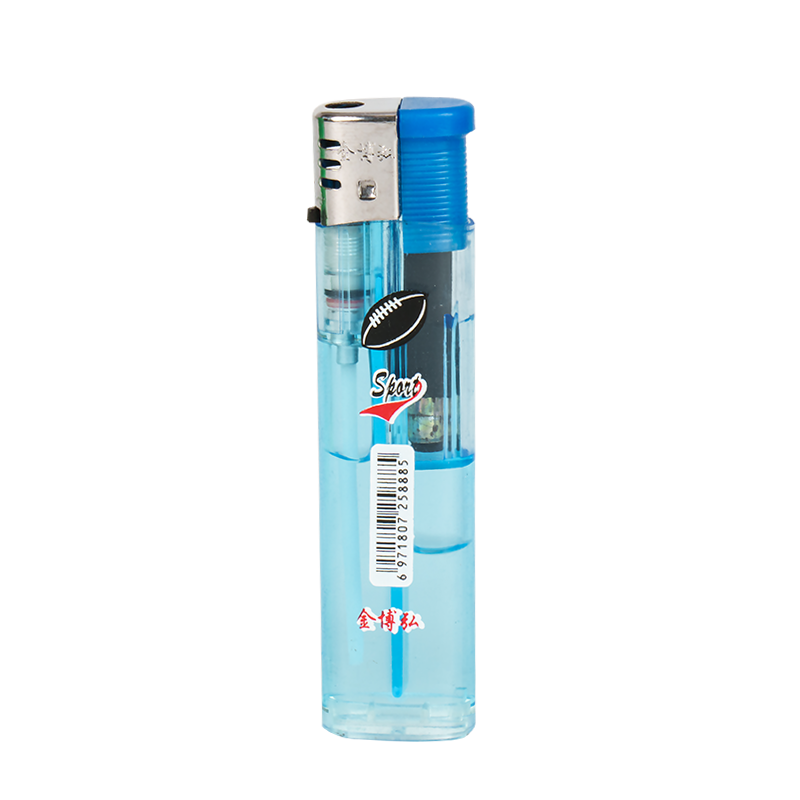
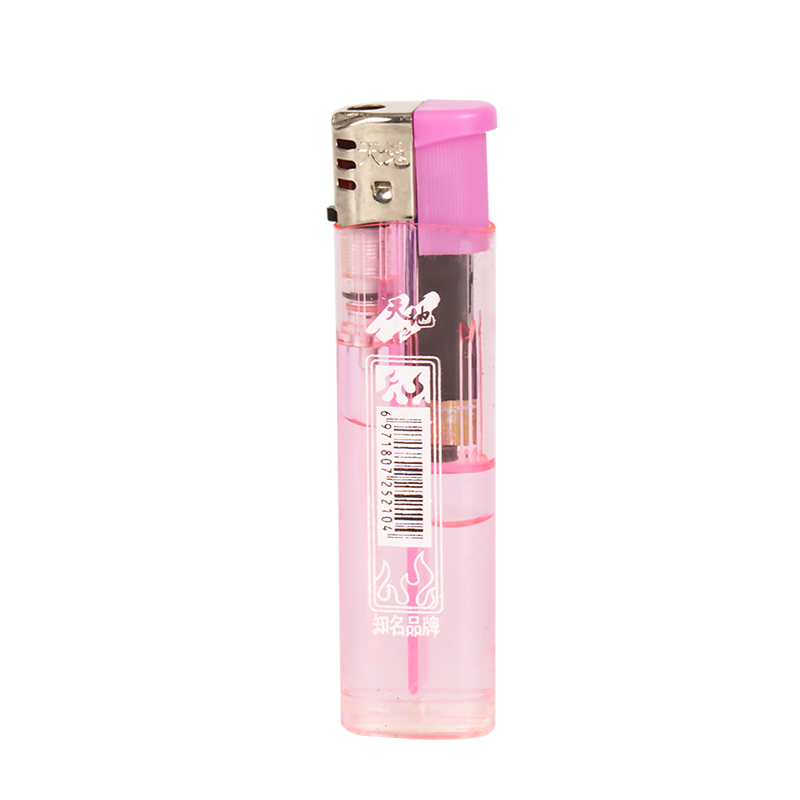
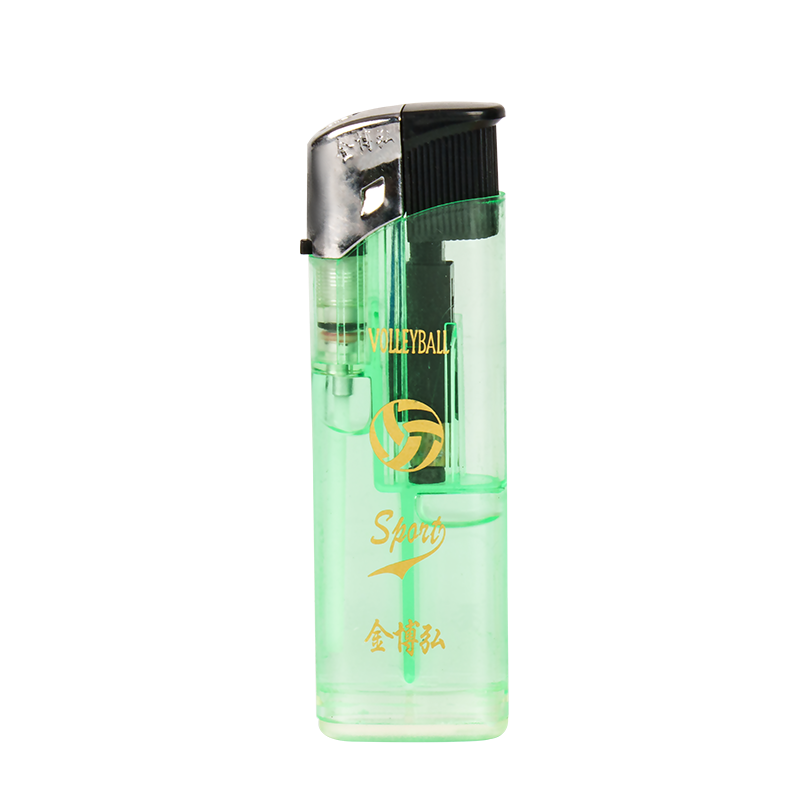
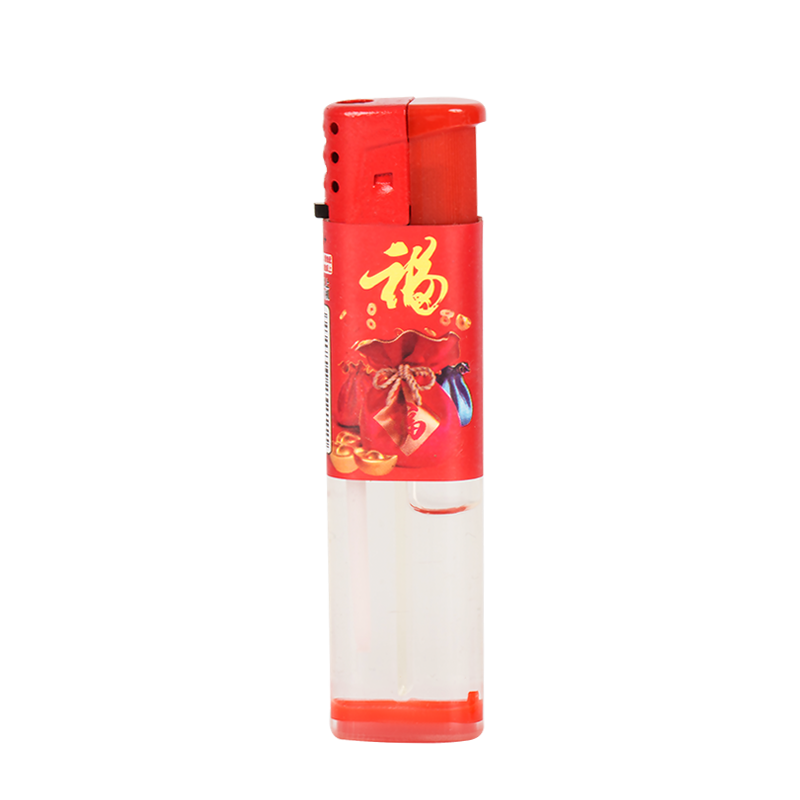
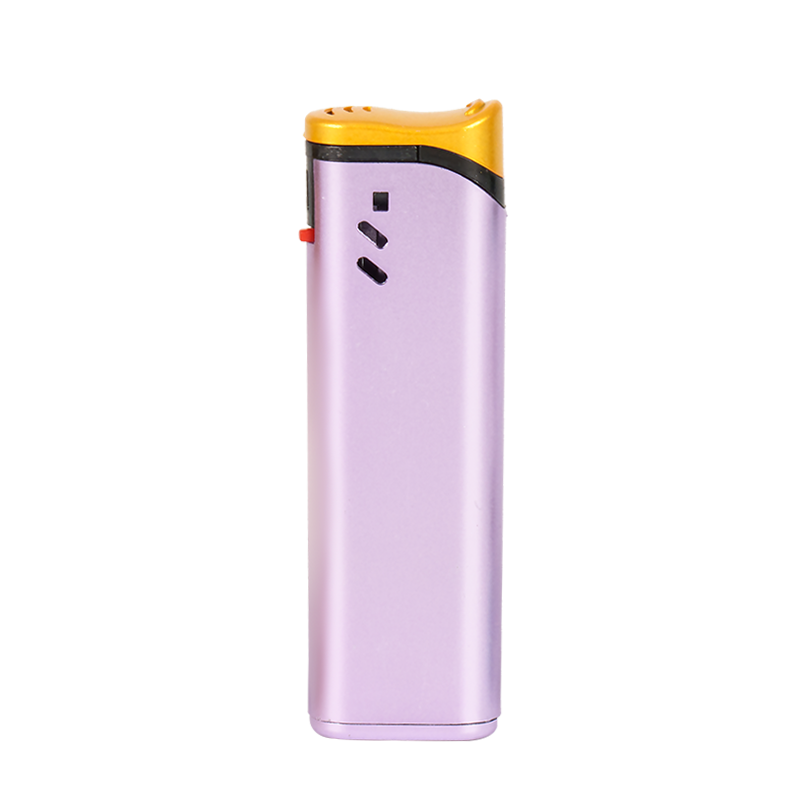
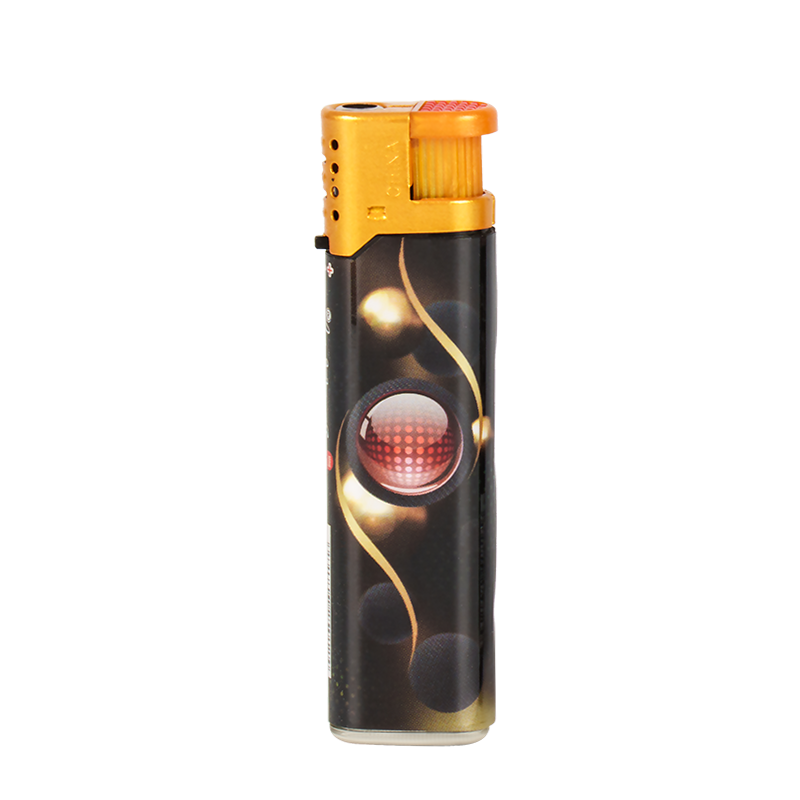
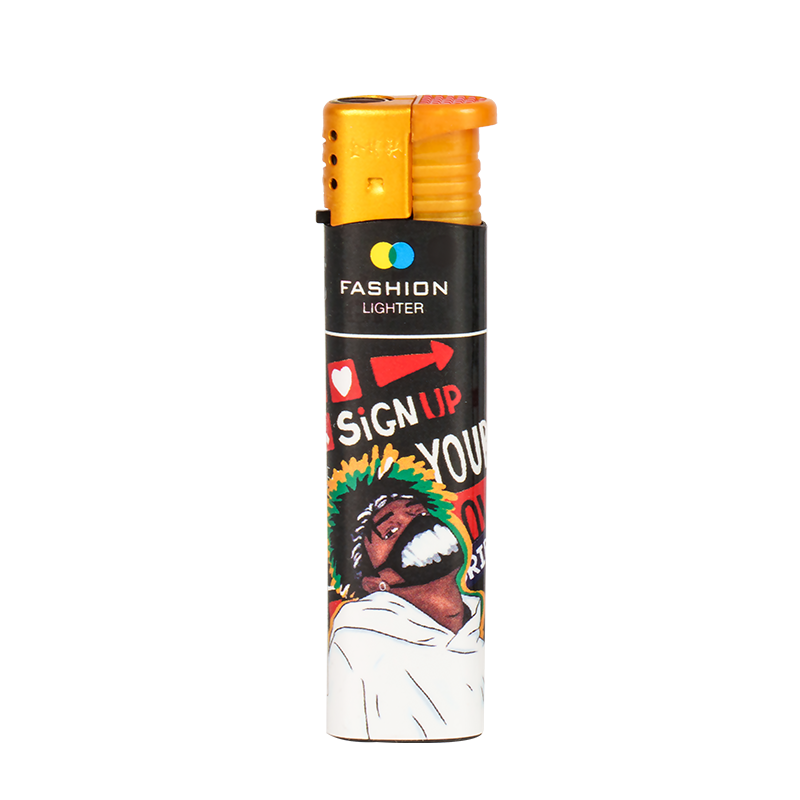
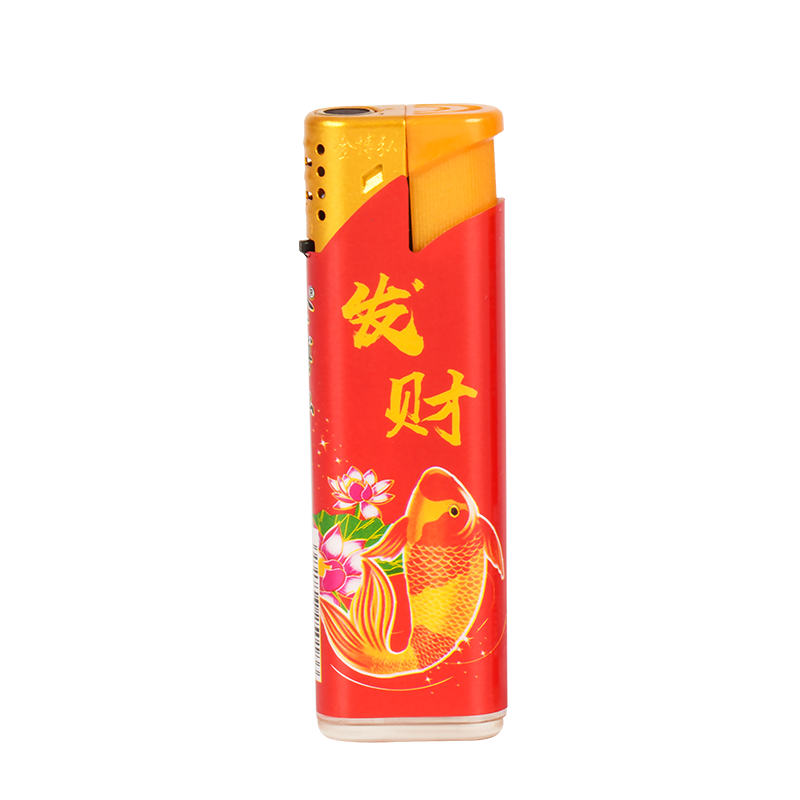
Many lighters have a painted, powder-coated, or plated surface. A coating can obscure the underlying metal and change how the engraving appears. Lasers can partially solve this by burning away the coating to expose the base metal, creating a high-contrast two-tone effect. However, the final look depends on the thickness of the coating and the color underneath. With hand engraving, you must first remove the coating in the target area using sandpaper or a chemical stripper, which takes time and risks damaging the surrounding finish. Transparent or paper-wrapped lighters in categories like JH2020 or JH2012 should not be engraved. The base materials do not respond safely to either laser or mechanical cutting.
If you want to engrave a lighter, your choice comes down to three primary techniques: laser engraving, hand engraving, and chemical etching. Each method has distinct strengths in terms of precision, durability, and cost. The table below summarizes the key differences so you can quickly decide which path fits your needs.
| Method | Precision | Best For | Batch Size | Setup Cost |
|---|---|---|---|---|
| Laser Engraving | High (fine lines, small text) | Logos, text, complex patterns on flat shells | Small to large | High initially, low per unit |
| Hand Engraving | Medium (depends on skill) | Roman numerals, artistic line work, one-off pieces | Single pieces | Low (tools only) |
| Chemical Etching | High (uniform depth) | Detailed artwork, gray-scale effects | Medium batches | Medium (mask and chemicals) |
Laser engraving uses a focused beam to vaporize the surface material, leaving a permanent mark that is clean and repeatable. It is the best option when you need small fonts, intricate patterns, or exact logo reproduction across many units. The laser works exceptionally well on iron and stainless steel shells because these metals absorb the energy efficiently without deforming. For large-scale production, this method offers the best cost-per-unit ratio since there is no physical tool wear and every piece is identical. The main limitation is the equipment cost and the need for a flat surface to keep the beam in focus.
Hand engraving relies on a graver or a chisel to cut lines directly into the metal. It is a skill-intensive process that allows for artistic variation—line depth and width can change with hand pressure, giving the finished piece a distinct character. It is ideal for single-item personalization, such as adding a family crest or a signature-style inscription. The downside is that it takes hours to complete a simple design, and an unsteady hand can permanently ruin the shell. Hand engraving is not practical for orders of more than a few pieces.
Chemical etching, also known as acid etching, uses a resist mask and a chemical solution to eat away exposed metal. It produces a consistent depth across the entire design, which makes it excellent for detailed artwork or gray-scale images. The process involves applying a photoresist film, exposing it to a pattern, developing the mask, and then submerging the shell in an etchant. Because the chemical works uniformly, it can reproduce subtle details that are difficult with a hand tool. It suits medium-batch production of dozens to hundreds of pieces, especially when the design is complex and must appear identical on every unit.
You do not need a factory to engrave a single lighter. With the right tools, you can achieve a professional-looking result on a metal shell at home. Here is a practical step-by-step approach, followed by a list of tools you should prepare.
Your tool kit should include a rotary tool (Dremel or equivalent), carbide burrs in fine and medium grit, a set of gravers, masking tape, a marker for touch-ups, and a fine wire brush for finishing. Work slowly. It is better to deepen a line gradually than to cut too deep on the first pass and risk an uneven groove.
Businesses often need a batch of lighters with a brand logo or a promotional message. This is a different workflow from DIY engraving. When sourcing custom engraved lighters from a manufacturer, you are typically entering an OEM (Original Equipment Manufacturer) arrangement. The process follows a clear sequence: you first select a base model, then confirm the engraving method and design files, proceed to a sample approval, and finally move to mass production.
For most corporate orders, laser engraving is the recommended approach. It offers the highest consistency across pieces and works efficiently on iron-shell bodies. If you are evaluating what custom engraving can look like, our customized text lighters offer an example of how text and branding can be applied directly to the shell. During the sample stage, you can request adjustments to line thickness, depth, and contrast to ensure the final product matches your brand standards.
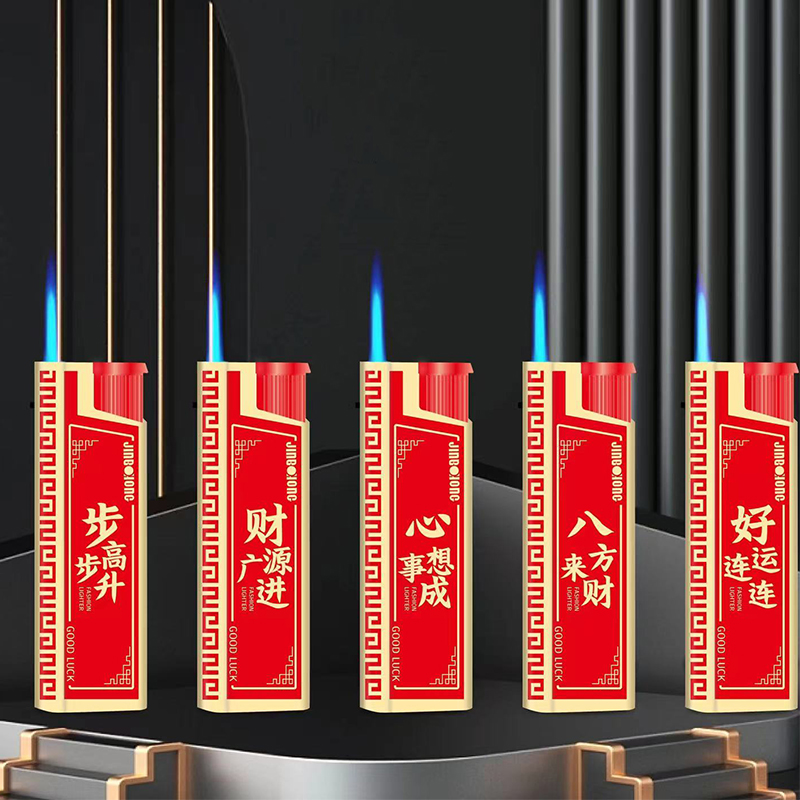 Wholesale JH8057 Customized text blue flame straight punch lighter ManufacturersCixi Jihong Electronics Co., Ltd is China OEM JH8057 Customized text blue flame straight punch lighter suppliers and JH8057 Customized te...View Product →
There is no set lead time or minimum order quantity that applies to all engraving jobs—these numbers depend on the surface area of the design, the number of units, and the current production schedule. For a specific timeline, contact us for a quote. A critical assurance for OEM buyers is that engraving alters only the external shell. It does not affect the internal fuel system, ignition mechanism, or flame output, so you can expect the lighter to function identically to a non-engraved version.
Whether you are engraving a personal gift or managing a bulk order, the base lighter model matters as much as the engraving technique. Not every lighter body is a good candidate, even if the material is technically metal. Here are the key considerations to guide your selection.
For everyday carry after engraving, a flame-adjustable iron-shell lighter gives you both a durable engraving surface and practical usability. You can control the flame height based on the circumstance, which is a convenience you will appreciate after the novelty of a new engraving fades. In summary, look for a flat, sturdy, metal-bodied lighter with a finish you like, and you will have a reliable canvas for any engraving method.
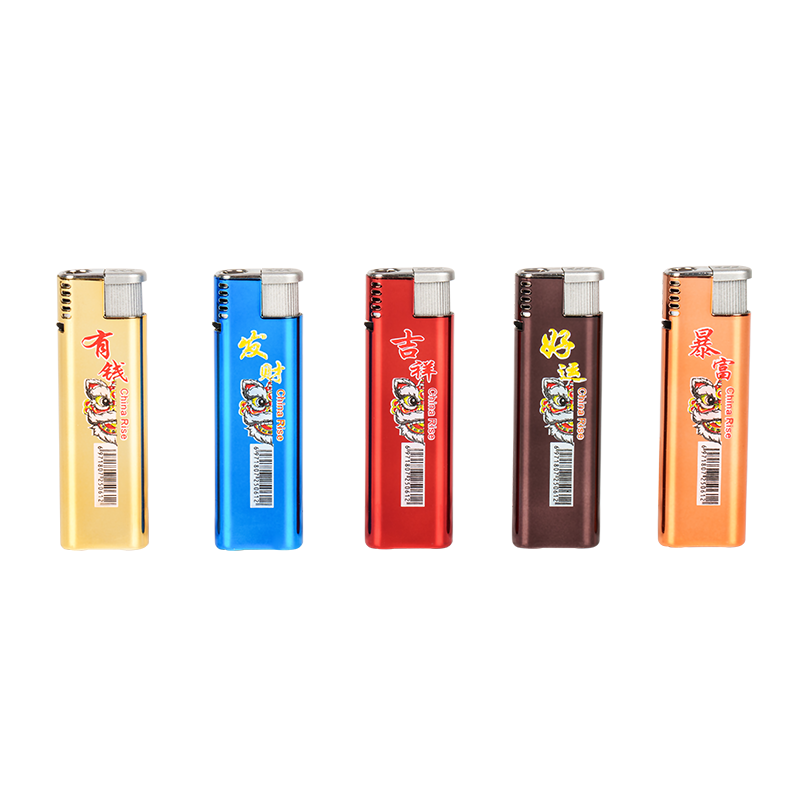 Wholesale Iron Shell Flame adjustable Lighter JH8027 Manufacturers, OEM Company Cixi Jihong Electronics Co., Ltd is China OEM Iron Shell Flame adjustable Lighter JH8027 suppliers and Iron Shell Flame adjustable Lighte...View Product →
Copyright © China Cixi Jihong Electronics Co., Ltd. All Rihgts Reserved. Custom Lighters Manufacturers Wholesale Blue Flame Lighters Suppliers




 English
 русский
 Español
 عربى
عربى