

 English
 русский
 Español
 عربى



The best lighter for pipe tobacco is a refillable butane soft-flame lighter with an angled or pipe-style nozzle, a flame you can adjust to roughly 10-15 mm, and dependable ignition. That combination gives you enough control to char the tobacco gently, tamp, and relight without scorching the leaf or the rim of the pipe.
Power is not the main advantage here; control is. A small soft flame lets you move heat across the tobacco surface. A concentrated jet flame is hotter and narrower, so it is far easier to burn the tobacco unevenly or damage the briar.
| Lighter type | Pipe-tobacco fit | What it does well | Main drawback |
|---|---|---|---|
| Refillable butane soft flame | Best overall | Broad heat, easy flame control, good for charring and relights | Needs wind protection outdoors |
| Windproof jet or torch | Poor as a primary pipe lighter | Works in wind and at altitude | Concentrated heat can scorch tobacco and pipe rims |
| Electronic open flame | Good when adjustable | Convenient ignition, no flint dust, steady flame | Quality and flame adjustment vary by model |
| Matches | Good but less convenient | Gentle heat and low scorch risk | Wind-sensitive and limited relights |
Why Soft Flame Is the Best Match for Pipe Tobacco
A soft flame is the best match because pipe tobacco is lit by gentle surface heat, not by a narrow blast of fire. The first light, often called the charring light, should barely toast the top layer of tobacco. The second light, after tamping, is where a steady soft flame earns its place.
With a jet flame, the heat is concentrated in a small cone. That makes it easy to overheat one spot while the rest of the bowl remains unlit. With a soft flame, you can hover the flame above the tobacco, draw gently, and move the heat around the surface.
- Keep the flame about 5-10 mm above the tobacco rather than touching it.
- Aim for a flame length of roughly 10-15 mm; a smaller flame is easier to control.
- Angle the nozzle toward the bowl at about 45 degrees so your hand stays clear of the rim.
- Use short draws and stop as soon as the surface glows; do not hold the flame in one place.
This is also why a pipe-specific angled nozzle helps. It lets you reach into the bowl without tilting the lighter so far that the flame jumps or the body blocks your view.
What to Look for in the Best Lighter for Pipe Tobacco
The right lighter should solve four problems at once: control, ignition reliability, fuel economy, and safe handling. Features that look impressive on a spec sheet do not always help when you are tamping a bowl in a quiet room or relighting outdoors.
| Feature | Target for pipe use | Why it matters |
|---|---|---|
| Flame type | Soft flame or candle flame | Provides broad heat instead of a scorching point |
| Nozzle shape | Angled or pipe-style | Reaches into the bowl without tipping the lighter |
| Flame adjustment | Visible wheel or slide | Keeps the flame low for small bowls and relights |
| Ignition | Reliable piezo or flint system | Reduces failed lights and wasted butane |
| Fuel | Refillable butane, preferably filtered | Cleaner burn and lower risk of clogging |
| Body | Metal shell, cap, or safety lock | Improves pocket safety and durability |
| Wind handling | Shielded soft flame or separate windbreak | Helps outdoors without turning to a jet flame |
For a durable starting point, the JH211 open-flame model fits the soft-flame brief better than a jet-style windproof unit. It is the kind of lighter to compare against a pipe-specific design when flame control and body durability matter more than maximum wind resistance.
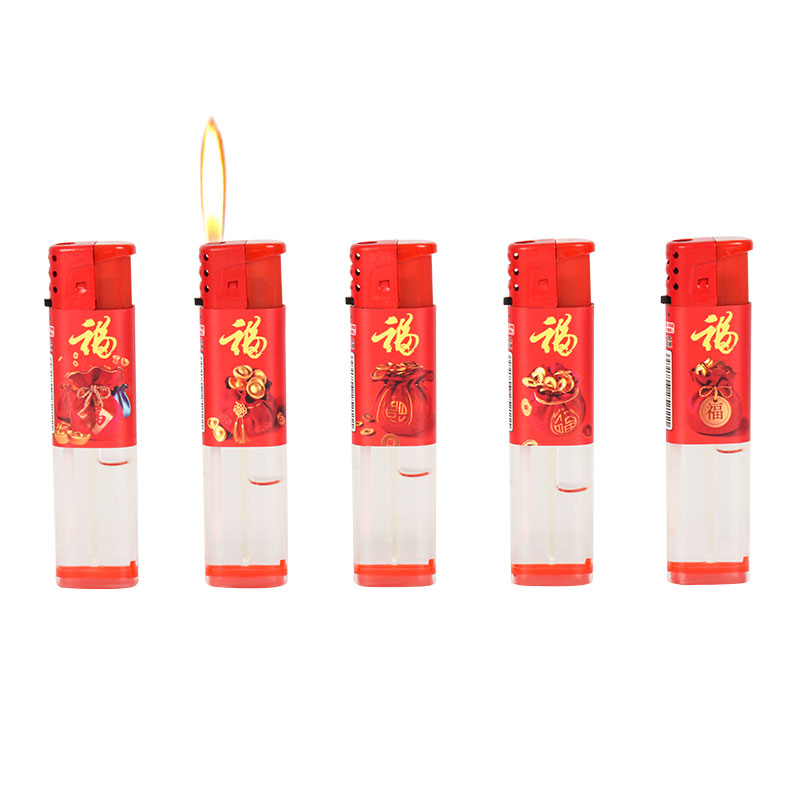 JH211 Durable Open-Flame Lighter for Controlled FlamesA compact, lightweight open-flame option for people prioritizing flame control and durable body over maximum wind resistance.View Product →
Soft Flame vs. Windproof Jet in Real Pipe Use
A windproof jet is not the better pipe-tobacco lighter; it is an outdoor compromise. It resists wind, but it also concentrates heat. That trade-off is useful for camping, high altitude, or emergency kits, yet it is less forgiving in a pipe bowl.
If you often smoke outdoors, a shielded soft flame and a windbreak are usually better than moving straight to a torch. When wind is too strong for a soft flame, use the jet only for a quick relight and keep the flame well above the tobacco. Never let a jet flame touch the briar rim.
- Use a soft flame for the charring light whenever conditions allow.
- Use a windproof jet as a backup, not as the default pipe lighter.
- Keep the flame short and off-center so heat does not sit in one spot.
- Check the rim after relighting; heat damage often shows up there first.
For the site’s broader range of wind-resistant models, see the windproof lighters category, but treat those models as outdoor backups rather than the ideal everyday pipe lighter.
Fuel and Refill Routine
Clean butane and a disciplined refill routine matter more than a long feature list. A dirty fuel supply or a rushed refill can cause sputtering, weak flames, and inconsistent lights.
- Purge air from the tank before refilling, especially if the flame has become weak.
- Use filtered butane rather than general-purpose lighter fluid in a butane lighter.
- Refill upside down, following the maker’s instructions, and let the lighter rest before igniting.
- Adjust the flame after the lighter has returned to room temperature, not immediately after refilling.
- Wipe the nozzle area and check the ignition points as part of routine cleaning.
A lighter that sputters or needs repeated clicks is telling you something. Stop, check the fuel level, purge if needed, and reset the flame. Forcing a weak lighter usually shortens its service life.
Portable Safety Features Worth Paying For
For pipe smokers, the most useful safety features are the ones that prevent accidental ignition between bowls. Pocket carry, pipe tools, and tobacco pouches create plenty of chances for a lighter to be knocked or pressed.
- A metal body that resists dents and heat exposure.
- A cap or lock that blocks the ignition button in a pocket.
- A flame adjuster that stays in place instead of drifting.
- A nozzle design that keeps fingers away from the hot area.
- A fuel window or clear low-fuel signal when available.
For travel, the JH309 safety open-flame model is one practical option to compare. Check the ignition action, cap security, and flame adjustment before you rely on it for a full day away from your refill can.
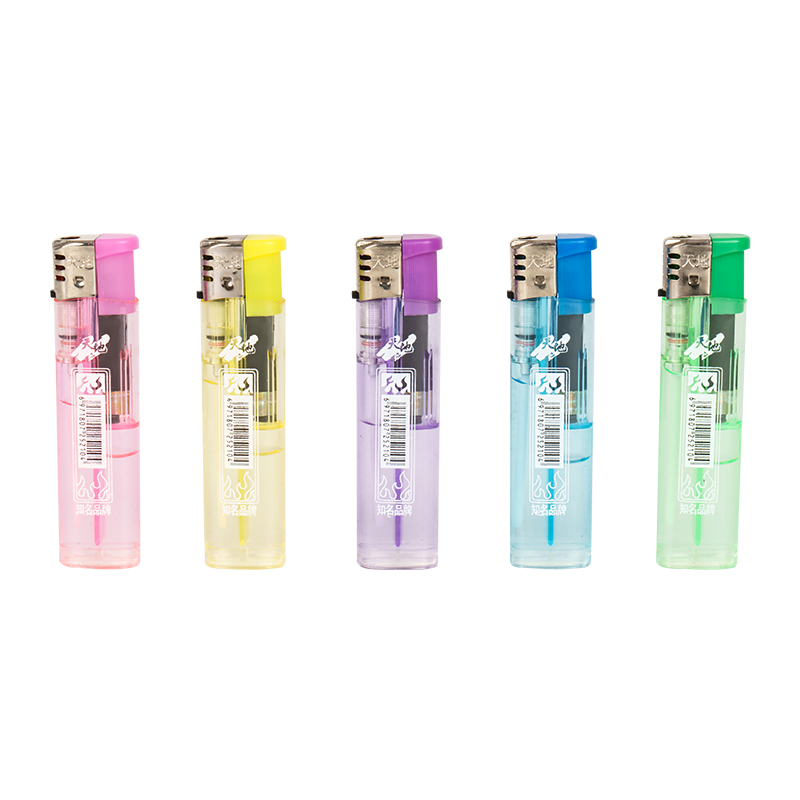 JH309 Safety Windproof Open-Flame Lighter for TravelA small, pocket-friendly open-flame lighter to compare for travel, where ignition action, cap security, and flame adjustment matter.View Product →
Charring Light and True Light: A Simple Method
The best lighter still needs the right technique. A controlled two-step light gives a more even burn and reduces the need to fight the bowl with repeated relights.
- Pack the pipe a little looser than you think you need; tight packing makes relights harder.
- Hold the soft flame above the tobacco and draw gently around the surface.
- Let the top layer char, then stop and tamp lightly.
- Relight with a short, low flame and draw steadily until the bowl is lit evenly.
- If the bowl goes out, ash lightly, tamp, and relight with the same low flame.
- Avoid pointing the flame directly at the draft hole or the inner rim.
This method works with a simple soft-flame lighter, but it works better with an angled nozzle because you can keep the flame centered without covering the bowl with your hand.
A Practical Buying Checklist
Use a short checklist before you buy, because the best lighter for pipe tobacco is the one that fits your smoking routine rather than the one with the longest feature list.
- Does it produce a soft flame rather than a concentrated torch?
- Can you set and hold a low flame for small bowls?
- Is the nozzle angled or narrow enough to reach the bowl?
- Does the body feel secure in the pocket?
- Can you refill it easily with clean butane?
- Are replacement parts, seals, or service support available?
For a focused starting point, browse the electronic open-flame lighters category and compare flame adjustment, nozzle angle, and body finish before deciding.
FAQ
Is a torch lighter bad for pipe tobacco?
Yes, generally. A torch lighter is too concentrated for normal pipe smoking and can scorch tobacco or damage the pipe rim, so it is best kept as an outdoor backup.
What flame height should I use for pipe tobacco?
A flame of roughly 10-15 mm is a practical target. Keep it above the tobacco and use short draws rather than holding the flame in one place.
Can I use a windproof lighter for pipe tobacco?
You can, but it is not ideal as a primary lighter. A windproof jet works best for emergency relights in wind, while a soft flame gives better control in the bowl.
Do I need a pipe-specific lighter?
No, but an angled nozzle helps. A standard soft-flame butane lighter can work well if the flame is adjustable and you can keep the nozzle clear of the rim.
How often should I refill a pipe lighter?
Refill when the flame weakens, sputters, or needs repeated clicks. For long sessions, carry a small butane can and purge the lighter before refilling.