

 English
 русский
 Español
 عربى


Home / Blog / Industry news / Best Hand Earmers for Hunting: Applications, Selection Criteria, and Practical Guidance

For a late-season treestand sit, the best hand warmer for hunting is a rechargeable electric pair rated at 8 to 12 hours per charge, with three or more heat levels and at least 5,000 mAh per unit. It restarts in seconds after a mid-morning break, gives off no scent, and stays silent in a pocket. Air-activated disposable packs are the better answer when every ounce counts, and catalytic fuel warmers still win on long, brutal-cold days when you need heat for 16 hours straight.
That is the short version. The rest of this guide explains where each type fails, what numbers actually matter on a 15°F morning, and which ignition tools belong in the same pocket as your warmers.
Hand warmers earn their place in exactly three moments: long sits, glove-off work, and camp, and everything else is marketing. A hunter sits still for hours, then suddenly needs bare fingers — to clip a release, glass a ridge, work a call, or tag an animal. That transition, not comfort, is what a warmer is for.
Rechargeable electric, air-activated disposable, and catalytic fuel warmers cover almost every hunting scenario, and the differences that matter are startup time, real runtime in cold air, and scent. The table below shows typical ranges; treat the numbers as expectations, not guarantees.
| Type | Startup | Surface heat | Runtime | Scent | Best for |
|---|---|---|---|---|---|
| Rechargeable electric | 1-3 minutes | 40-55°C (104-131°F) | 4-12 hours, level dependent | None | Stand hunting, multi-day trips with truck or cabin charging |
| Air-activated disposable | 10-20 minutes | 40-50°C (104-122°F) | 6-10 hours rated, 5-7 useful | None | Ultralight backup, one-and-done days, loaners for a buddy |
| Catalytic fuel | 5-15 minutes | 45-60°C (113-140°F) | 8-24 hours per fill | Faint fuel smell | Deep cold, all-day sits, off-grid hunts |
Electric warmers give the tightest control — three heat levels, an instant off switch, and no waste — but their rated runtime is measured at room temperature, and lithium cells lose roughly 20-30% of usable capacity near freezing. Buy one step more battery than you think you need.
Disposable packs need oxygen to work, so they activate slowly in a sealed pocket and comfortably in a ventilated one. They are the lightest option at roughly 20-40 grams for a pair, and the only type you can hand to someone without asking for it back.
A fuel warmer burns refined naphtha or butane through a catalytic element, producing steady heat for far longer than any battery. The trade-off is a faint odor, a warm-up period, and a refuelling routine that has to happen outdoors.
The specifications that decide whether a warmer is useful in a blind are surface temperature, cold-weather runtime, control design, and noise — not the marketing headline heat rating. Use the targets below as a buying filter.
| Specification | Target | Why it matters |
|---|---|---|
| Surface temperature | 45-55°C (113-131°F) | Below 40°C feels weak against cold-numbed skin; above 60°C risks low-temperature burns through thin glove liners |
| Runtime at 0°C | Rated hours × 0.6 | Cold air cuts battery performance; a "10 hour" unit often delivers 6 usable hours |
| Controls | Single button, 3 levels, no audible beep | A beeping warmer ends a stalk; a stiff toggle is hard to work with gloves on |
| Weight | 80-150 g per electric unit | Pair weight matters on mountain hunts; disposable packs are far lighter |
| Safety | Overheat cut-off and a recognized certification mark | Cheap cells with no protection are a real pocket risk in freezing weather |
| Extras | USB-C charging, power-bank output, lanyard loop | Charging a phone from a warmer has saved more than one late-season trip |
Two practical notes. First, warmers work best when they warm air around your fingers inside a muff, not when they press against bare skin for an hour. Second, charge electric units the night before at room temperature — a cold battery starts half empty.
Placement decides more of your comfort than the warmer's price tag, and the best position is a hand muff on your waist belt rather than a jacket pocket. A muff traps heat on both sides, lets you drop gloves at the last second, and keeps warmers where your hands actually go.
Warm hands can light a stove; they cannot light wet tinder, which is why a reliable flame belongs in the same kit as your warmers. A jet-flame design holds up in wind and rain far better than a standard flame, and it works at altitude where matches and cheap disposables fail.
Hunters who spend real time in cold, exposed conditions tend to carry a compact windproof lighters range unit for stoves, lanterns, and fire starters, because a flame that survives a 20 mph gust saves fingers and minutes.
For rough country, an iron-shell body adds drop resistance that plastic housings cannot match — the kind of durability that matters when gear rides in a pack pocket beside a knife and a rangefinder.
 Iron Shell Windproof Lighter JH8011Built with a durable iron shell and windproof flame, this compact lighter suits rough outdoor carry and cold-weather ignition.View Product →
An electronic ignition model removes the flint wheel entirely, which is a genuine advantage with numb fingers: one press, a steady flame, no fumbling. That is the logic behind the powerful electronic iron-shell windproof lighters built for cold-weather use.
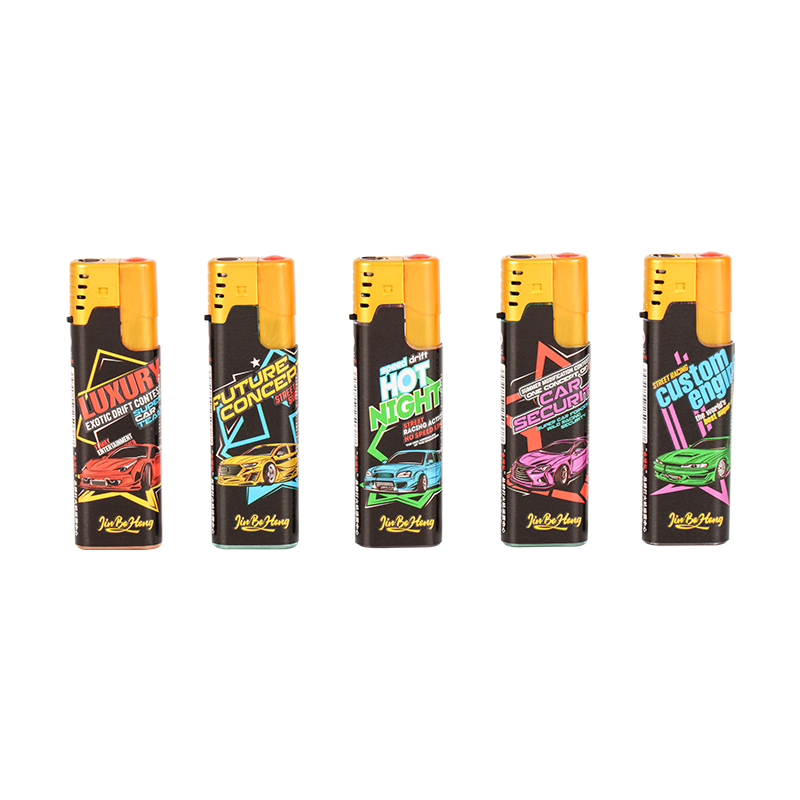 JH9017 Powerful Electronic Windproof LighterThis electronic windproof lighter delivers a high-temperature flame for outdoor ignition, pairing wind resistance with straightforward operation in cold conditions.View Product →
A gun-style jet igniter reaches into a stove burner or a fire pit without putting your hand near the flame — useful when you are lighting a camp stove in the dark or restarting damp kindling in a drizzle.
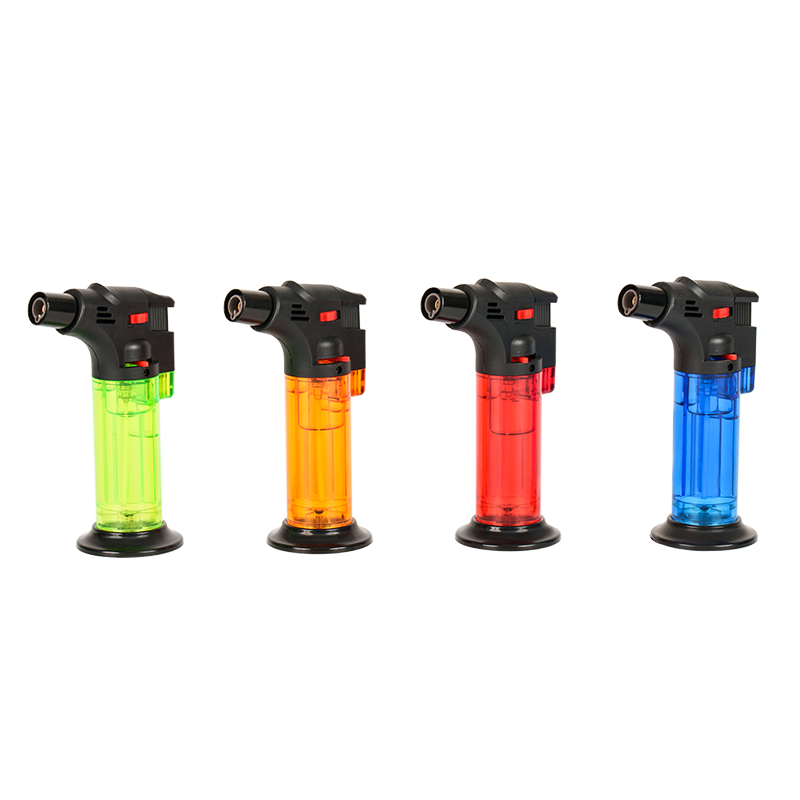 Gun Jet Flame Lighter JH101With a large gas capacity and high-temperature flame, this gun-style jet lighter is suited to kitchen cooking and cigar lighting.View Product →
Electric and air-activated warmers are odorless and should not affect scent control, while catalytic fuel warmers release a faint fuel smell that a close-range whitetail may notice. In scent-critical setups, stick to electric or disposable packs.
Expect roughly 60% of the rated runtime in freezing conditions for electric units, and about 70% for disposable packs that are opened in cold air. Carry one spare per hunter for any sit longer than four hours.
Yes, but lithium batteries must travel in carry-on baggage rather than checked luggage, and terminals should be protected from short circuits. Check the airline's watt-hour limit before packing large power-bank style units.
Not for extended contact. Prolonged exposure to 45-55°C surfaces can cause low-temperature burns, and the risk rises for anyone with circulation problems or reduced nerve sensation. Keep a liner glove or fabric layer between skin and warmer.
They work, but more slowly, because the reaction needs oxygen and cold thin air slows activation. Open them 30 minutes before you need them and keep them in an inside pocket until you settle in.
Before the season starts, run one cold test at home: charge or open your warmers, sit outside for an hour at dawn, and note how your fingers feel at the 60-minute mark. If they are stiff, add a muff, add a spare pack, and check that your ignition tool still sparks reliably with gloves on. Warmth and fire are the two things that keep a late-season hunt comfortable and safe — and both are decided by gear you checked before you left the truck.

Copyright © China Cixi Jihong Electronics Co., Ltd. All Rihgts Reserved. Custom Lighters Manufacturers Wholesale Blue Flame Lighters Suppliers