What materials are used to make butane gas lighters?
Butane gas lighters are everyday tools found in homes, workshops, outdoor gear, and industrial environments. While they appear simple on the surface, their performance, safety, durability, and cost are all directly influenced by the materials used in their construction. From disposable pocket lighters to refillable torch lighters, each component is carefully selected to withstand pressure, heat, and repeated use.
As global demand for reliable ignition devices continues to grow, manufacturers are placing greater emphasis on material selection to improve safety standards, extend product lifespan, and meet environmental regulations.
Main Structural Components of Butane Gas Lighters
To understand material choices, it is helpful to first examine the basic structure of butane gas lighters. Most designs include the following core components:
Outer casing or body
Fuel tank (butane reservoir)
Ignition system
Valve and nozzle system
Flame adjustment and safety elements
Each part serves a specific function and requires materials with unique physical and chemical properties.
Materials Used for the Lighter Body
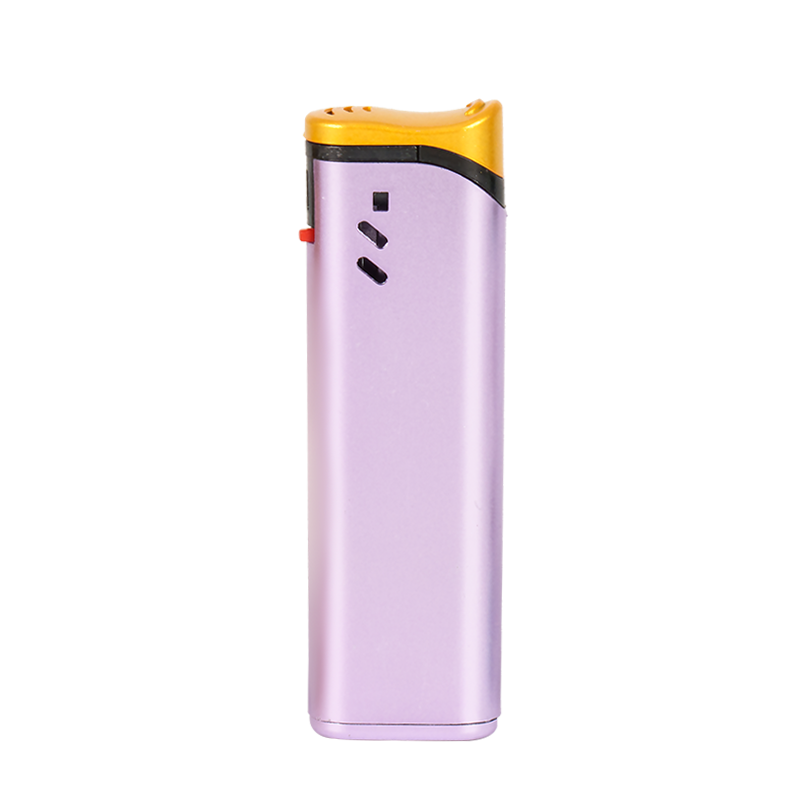
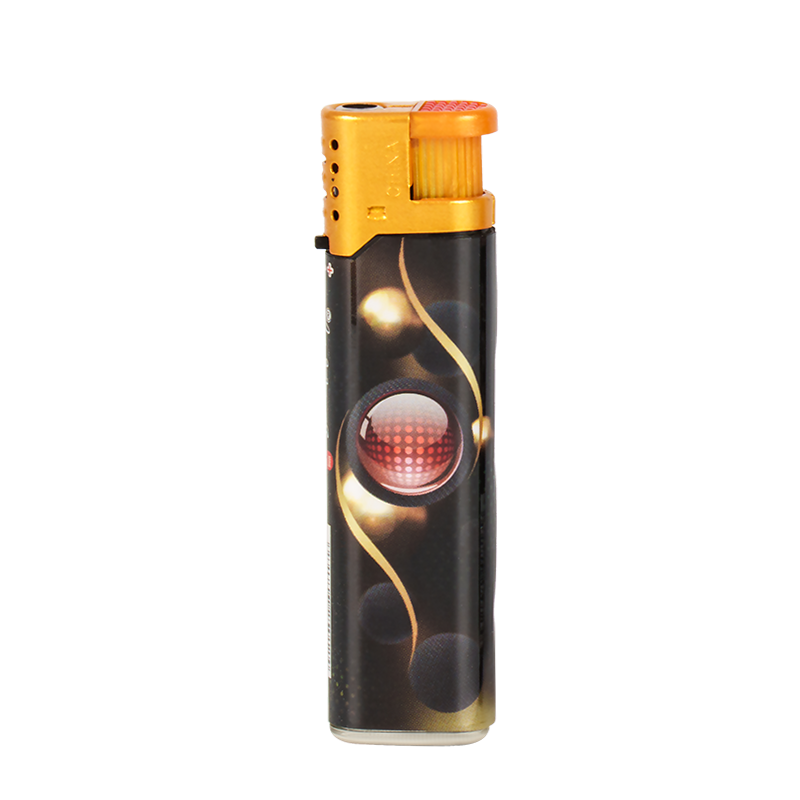
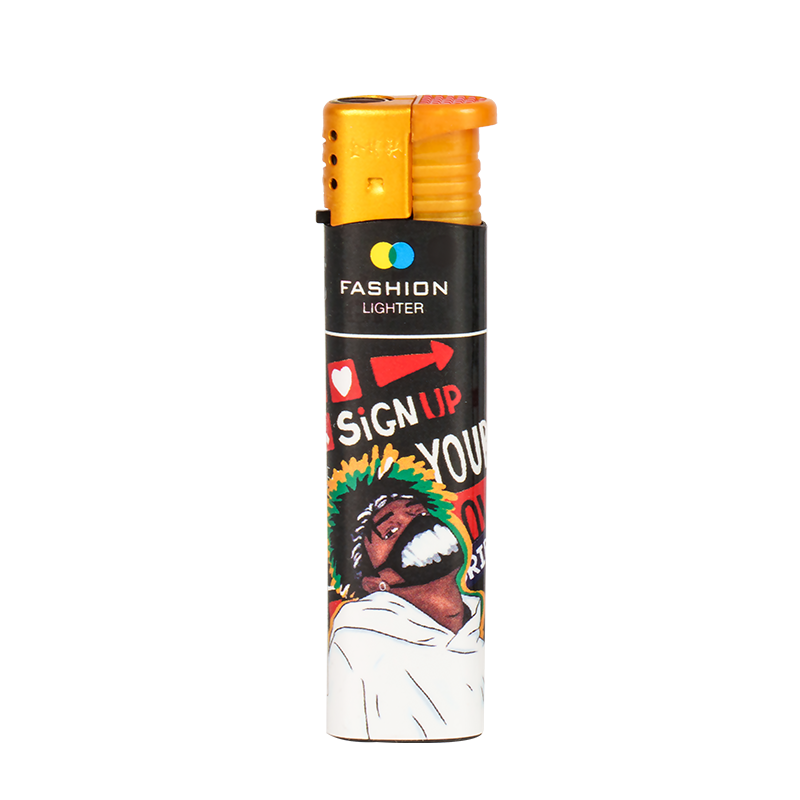
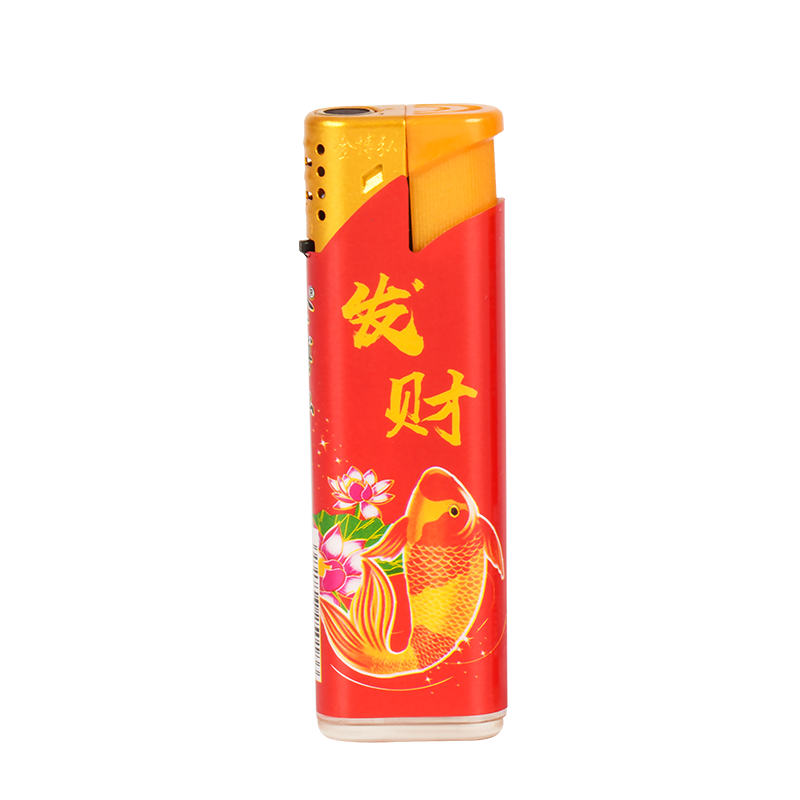
Plastic Polymers
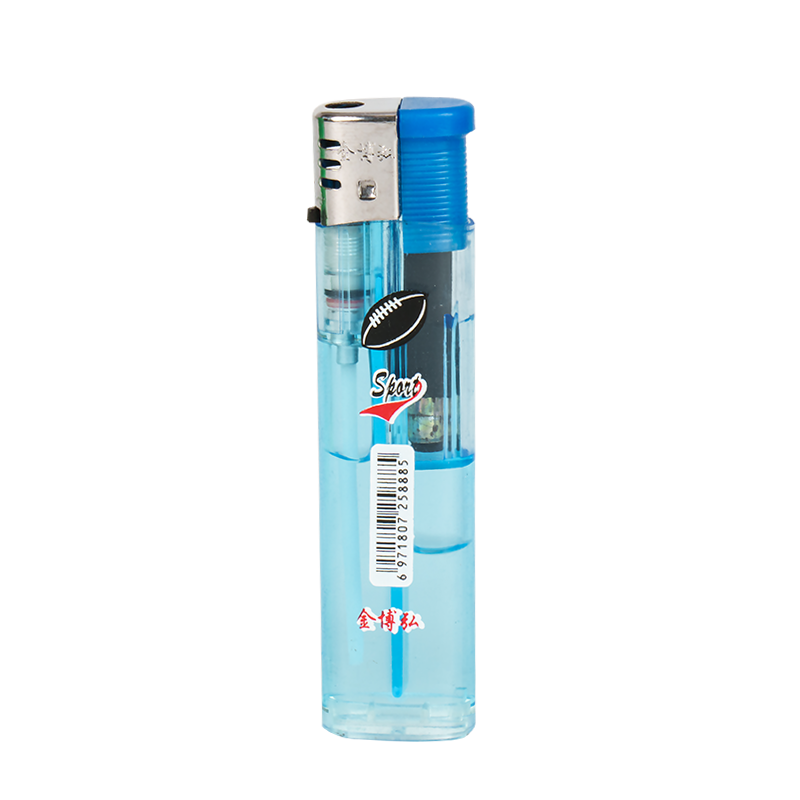
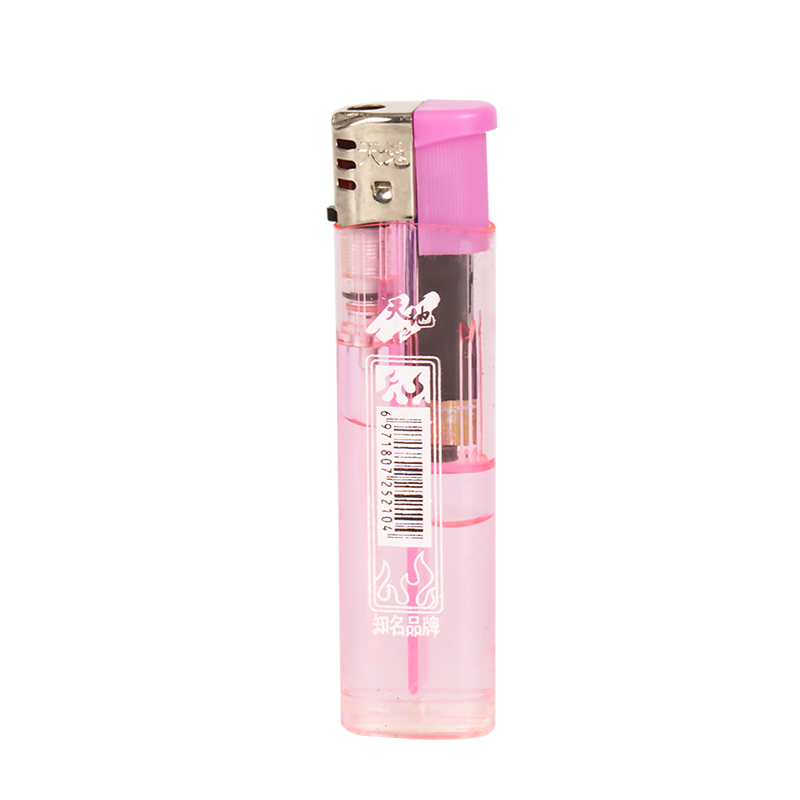
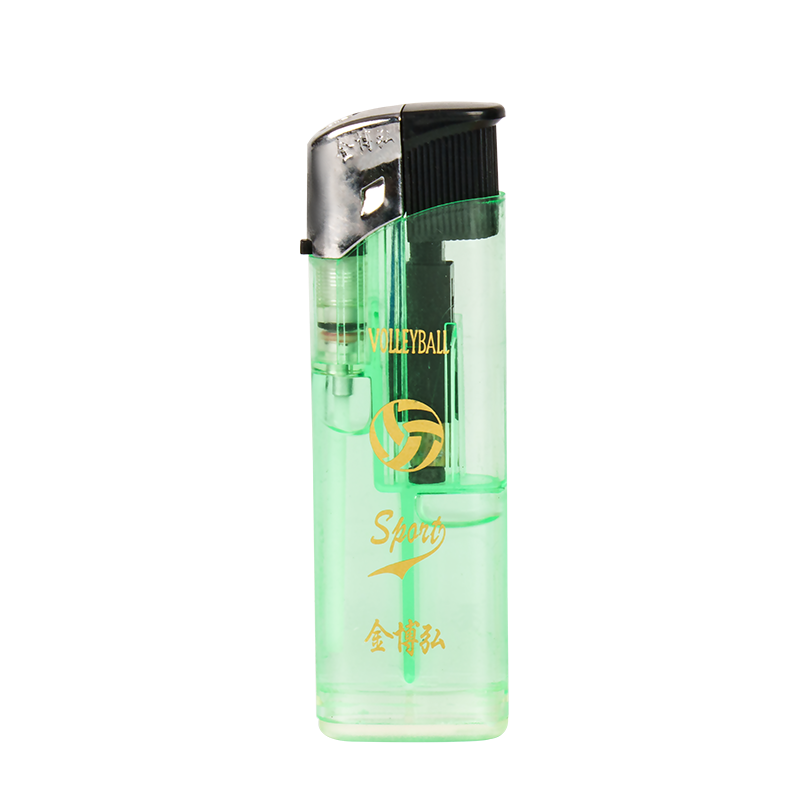
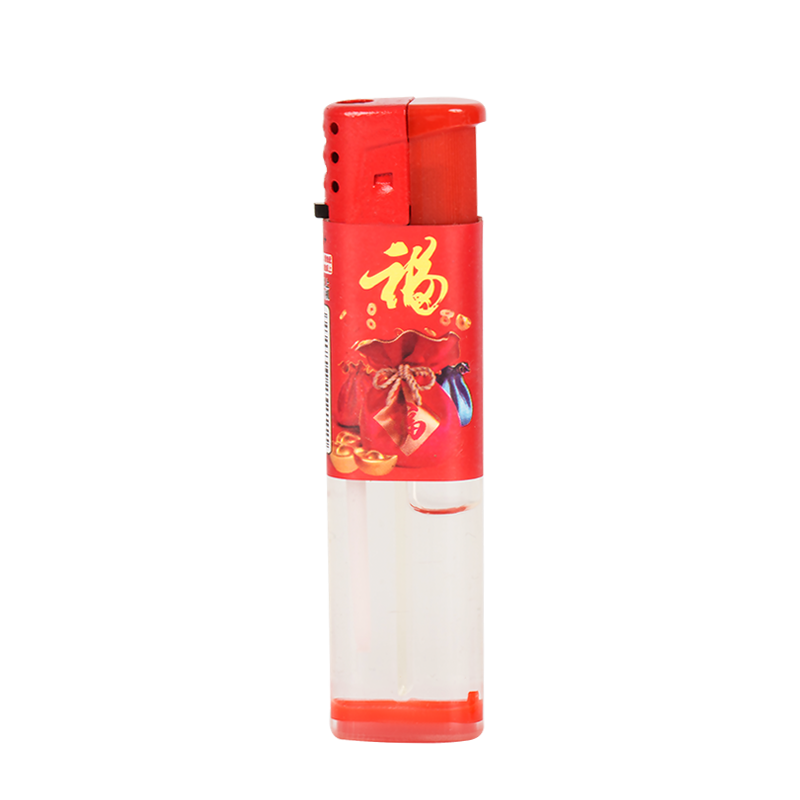
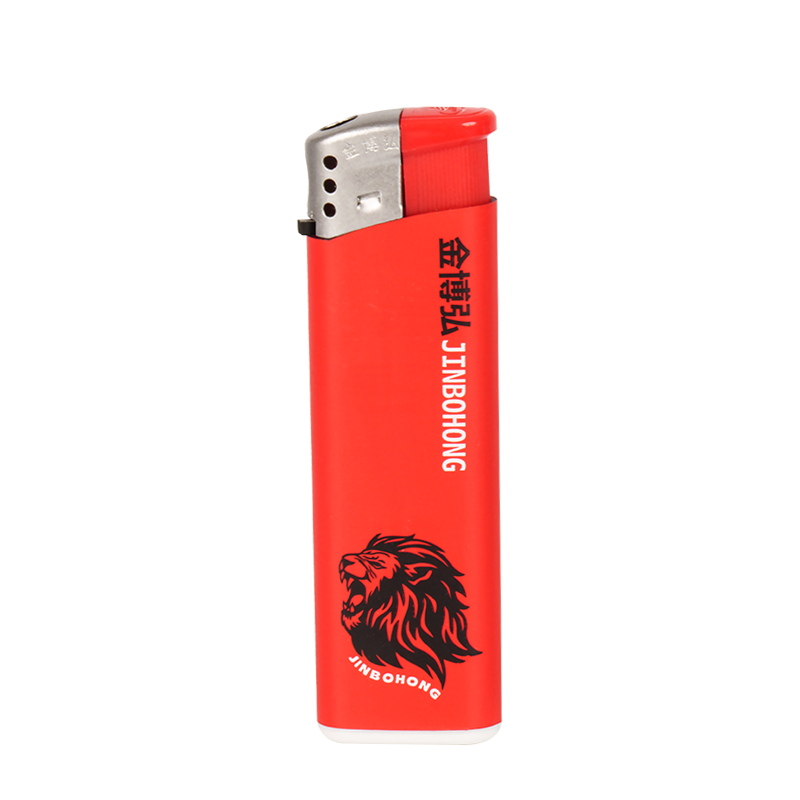
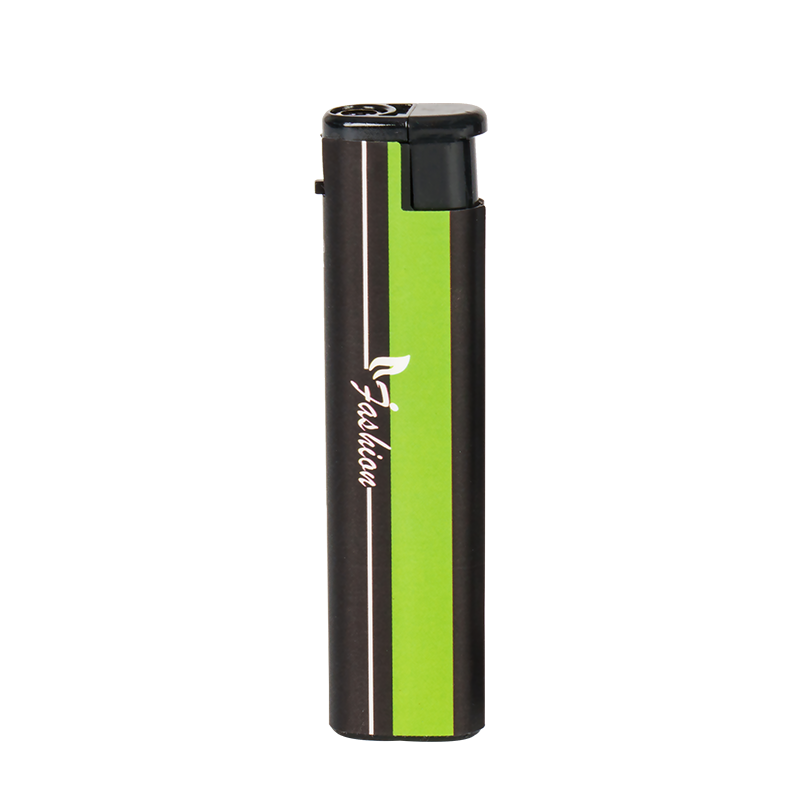
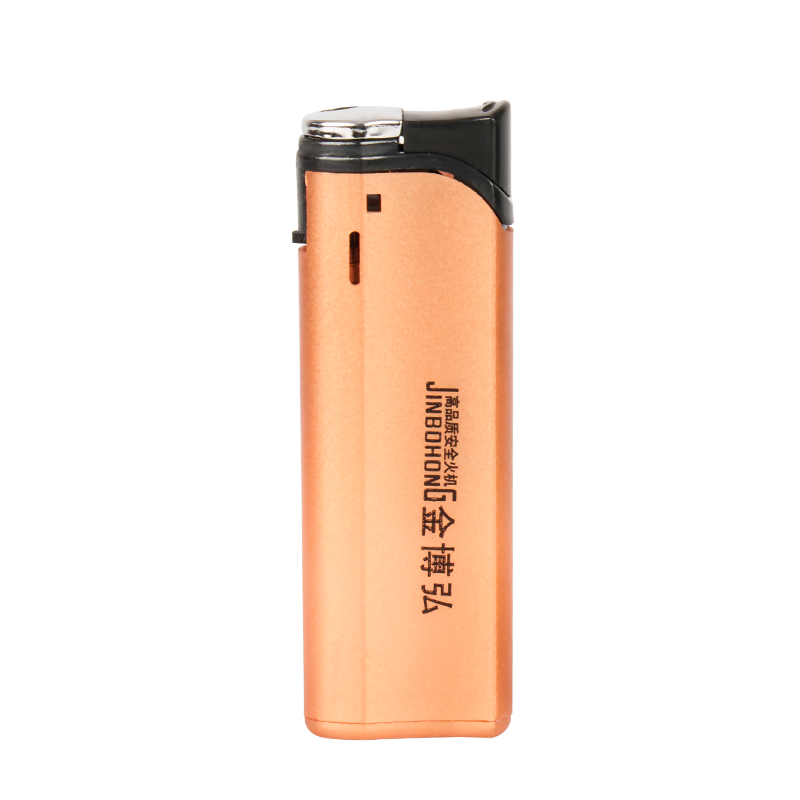
The majority of disposable and refillable butane gas lighters use high-grade plastic polymers for their outer shells. Commonly used plastics include:
ABS (Acrylonitrile Butadiene Styrene): Known for impact resistance and dimensional stability
Polycarbonate (PC): Offers excellent heat resistance and transparency
Polypropylene (PP): Lightweight, chemical-resistant, and cost-effective
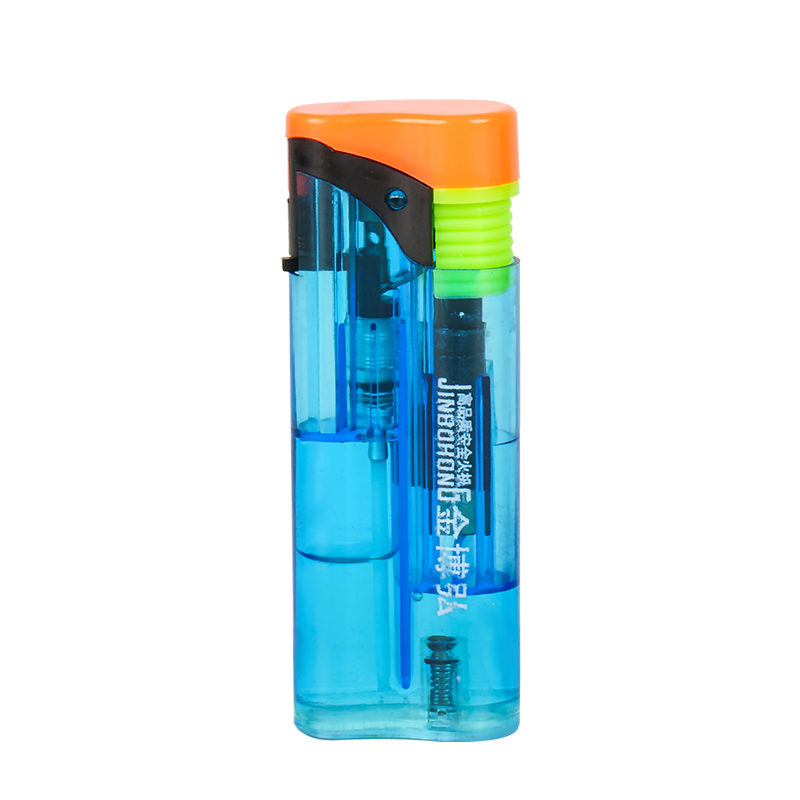
Plastic bodies allow for mass production, vibrant color options, and ergonomic designs. Transparent plastic is often used to display fuel levels, enhancing user convenience.
Metal Casings
Premium and refillable butane gas lighters frequently feature metal housings made from:
Aluminum alloys
Zinc alloys
Stainless steel
Metal casings improve durability, provide a premium feel, and offer better resistance to heat deformation. These materials are especially common in windproof and torch-style lighters.
Fuel Tank and Internal Reservoir Materials
High-Pressure Plastic Tanks
The fuel reservoir inside butane gas lighters is typically made from reinforced plastic polymers capable of withstanding internal pressure from liquefied butane. These plastics are engineered to resist cracking, swelling, and chemical degradation.
Metal Fuel Chambers
In higher-end lighters, internal tanks may be constructed from thin-walled aluminum or steel. Metal tanks offer enhanced pressure resistance and longer service life, particularly in refillable designs used frequently.
Ignition System Materials
Flint-Based Ignition
Traditional disposable butane gas lighters often rely on flint ignition systems. The materials involved include:
Ferrocerium flint: Produces sparks when struck
Steel striker wheel: Generates friction to ignite sparks
Ferrocerium is favored for its consistent spark production and durability under repeated use.
Piezoelectric Ignition
Modern and refillable butane gas lighters increasingly use piezoelectric ignition systems. Key materials include:
Piezoelectric crystal (usually quartz or ceramic-based)
Copper wiring for electrical conduction
Piezo ignition systems eliminate the need for flints and provide thousands of ignition cycles, making them ideal for long-term use.
Valve, Nozzle, and Flame Control Materials
Brass and Copper Alloys
The gas valve and nozzle components in butane gas lighters are often made from brass or copper alloys due to their excellent machinability, corrosion resistance, and thermal stability.
Stainless Steel Components
High-temperature areas near the flame outlet frequently use stainless steel to resist oxidation and deformation. This material is particularly important in torch lighters that produce concentrated, high-temperature flames.
Silicone and Rubber Seals
To prevent gas leakage, internal seals and O-rings are commonly made from:
Silicone rubber
Nitrile rubber (NBR)
These materials maintain elasticity over a wide temperature range and resist chemical interaction with butane.
Comparing Materials in Disposable vs Refillable Butane Gas Lighters
Disposable Butane Gas Lighters
Primarily plastic construction
Simpler flint ignition systems
Lower-cost materials optimized for mass production
Designed for short-term use
Refillable Butane Gas Lighters
Metal or reinforced plastic bodies
Piezoelectric ignition systems
Brass and stainless steel internal components
Higher material quality for extended lifespan
The choice of materials directly reflects the intended usage scenario, cost target, and expected durability.
Material Safety and Regulatory Considerations
Manufacturers of butane gas lighters must comply with international safety standards and material regulations. These include:
Flame height and heat resistance requirements
Child-resistant safety mechanisms
Restrictions on toxic substances in plastics and metals
Modern material selection prioritizes low-toxicity plastics, lead-free metals, and heat-stable components to meet both consumer safety and environmental standards.
Environmental Impact of Lighter Materials
Plastic Waste Concerns
Disposable butane gas lighters contribute to plastic waste due to their limited lifespan. Many plastics used are technically recyclable but are often discarded improperly.
Sustainable Material Trends
To address environmental concerns, some manufacturers are exploring:
Recyclable metal-bodied lighters
Reduced plastic content designs
Long-life refillable systems
Material innovation plays a key role in reducing the environmental footprint of lighter production.
How Material Choice Affects Performance
The materials used in butane gas lighters influence several performance factors:
Ignition reliability
Flame stability and adjustability
Resistance to wind and moisture
Overall durability and lifespan
High-quality metals and precision-engineered plastics help ensure consistent gas flow and stable combustion.
Frequently Asked Questions About Butane Gas Lighter Materials
What is the most common material used in butane gas lighters?
High-grade plastic polymers are the most common materials, especially in disposable butane gas lighters, due to their low cost and ease of molding.
Are metal lighters safer than plastic ones?
Metal-bodied butane gas lighters generally offer better heat resistance and durability, but both types are safe when manufactured according to standards.
Why are brass valves commonly used?
Brass offers excellent corrosion resistance and precise machining, making it ideal for gas flow control in butane gas lighters.
Do piezoelectric lighters use fewer materials?
Piezoelectric systems eliminate the need for flint and striker wheels, reducing wear parts and improving long-term reliability.
Can lighter materials affect fuel efficiency?
Yes. High-quality valves, seals, and nozzles made from durable materials help regulate gas flow more efficiently, reducing fuel waste.
Material Innovation and the Future of Butane Gas Lighters
As consumer expectations evolve, material innovation continues to shape the future of butane gas lighters. Advances in heat-resistant polymers, lightweight alloys, and sustainable materials are enabling safer, longer-lasting, and more environmentally responsible designs.
Material selection remains one of the most critical factors influencing lighter performance, cost, and environmental impact, ensuring that even the smallest ignition tool reflects modern engineering standards.






 English
 русский
 Español
 عربى
عربى