

 English
 русский
 Español
 عربى
عربى


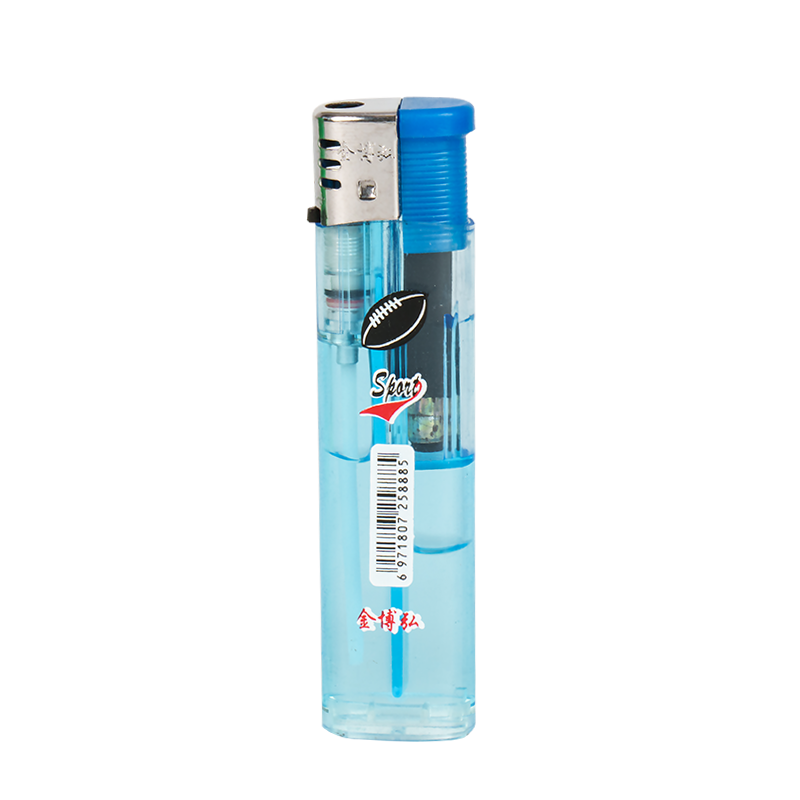
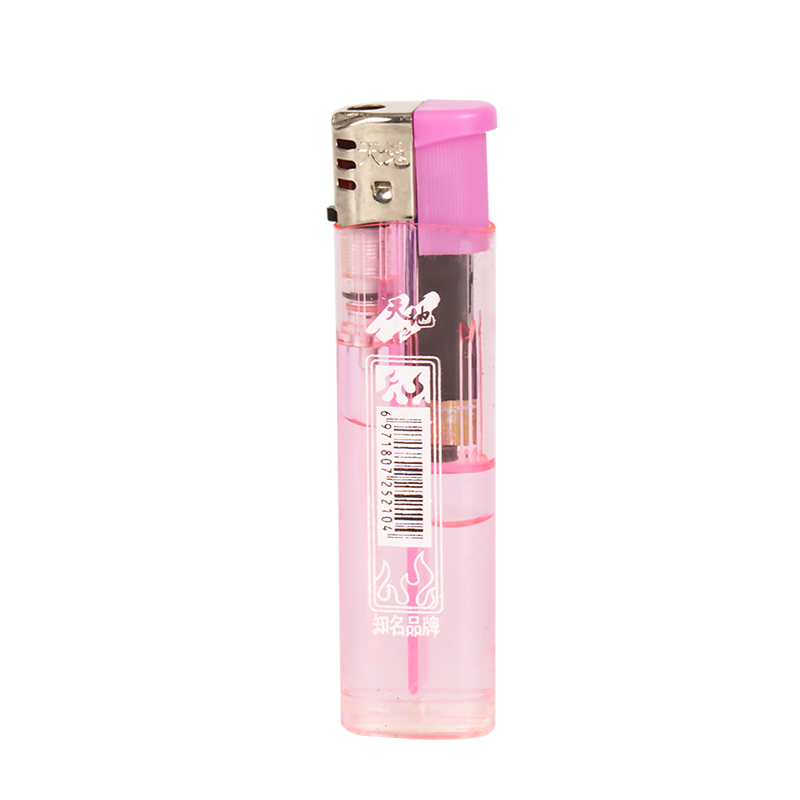
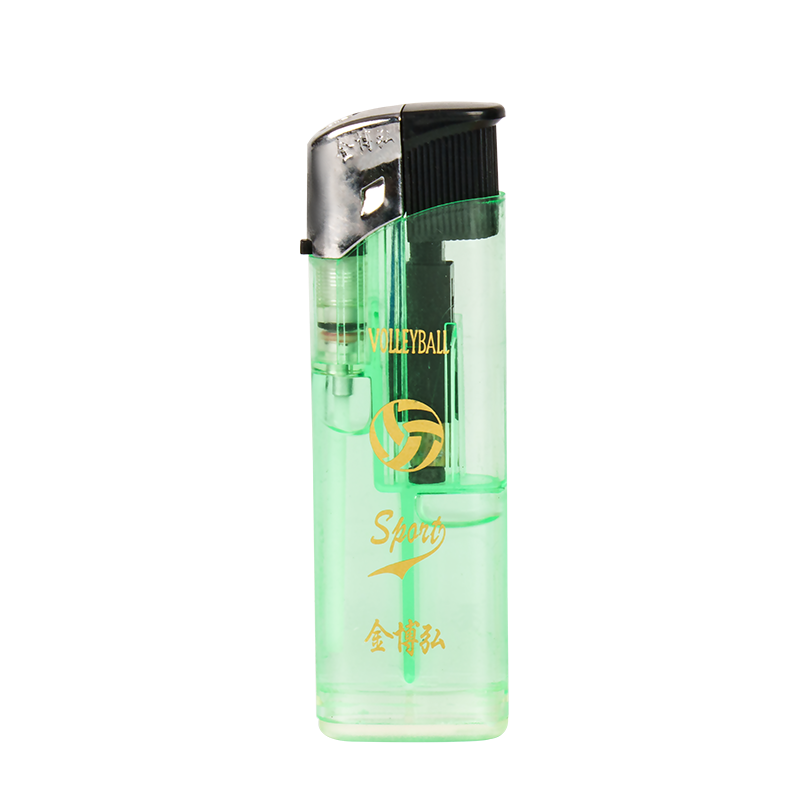
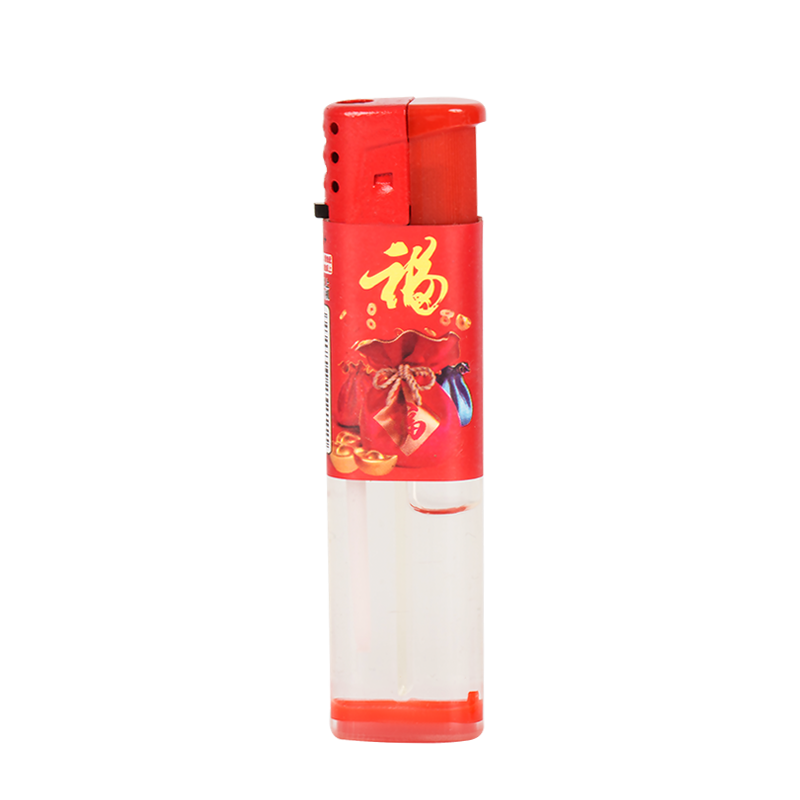
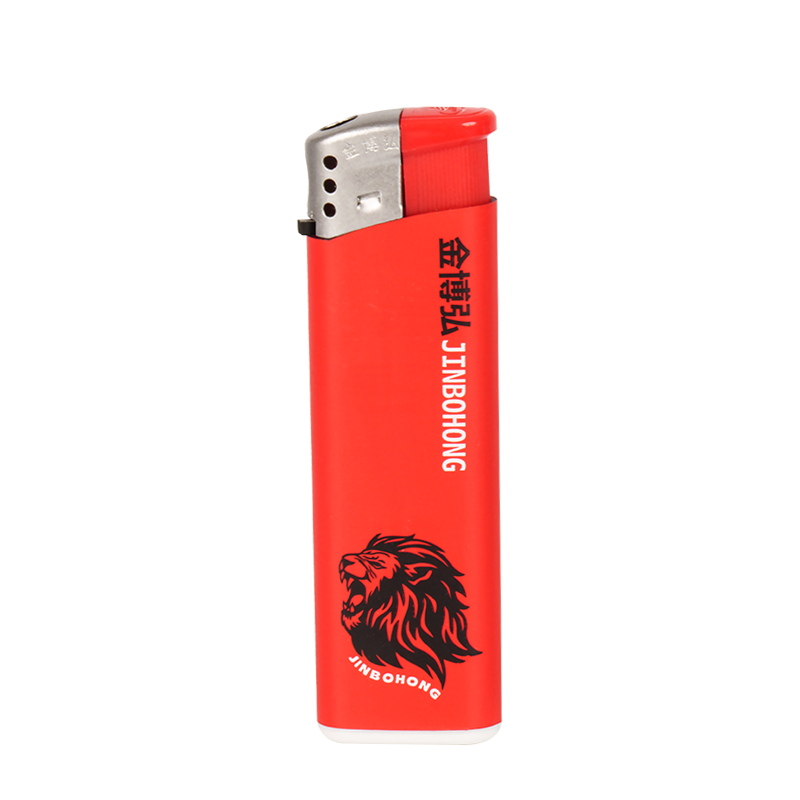
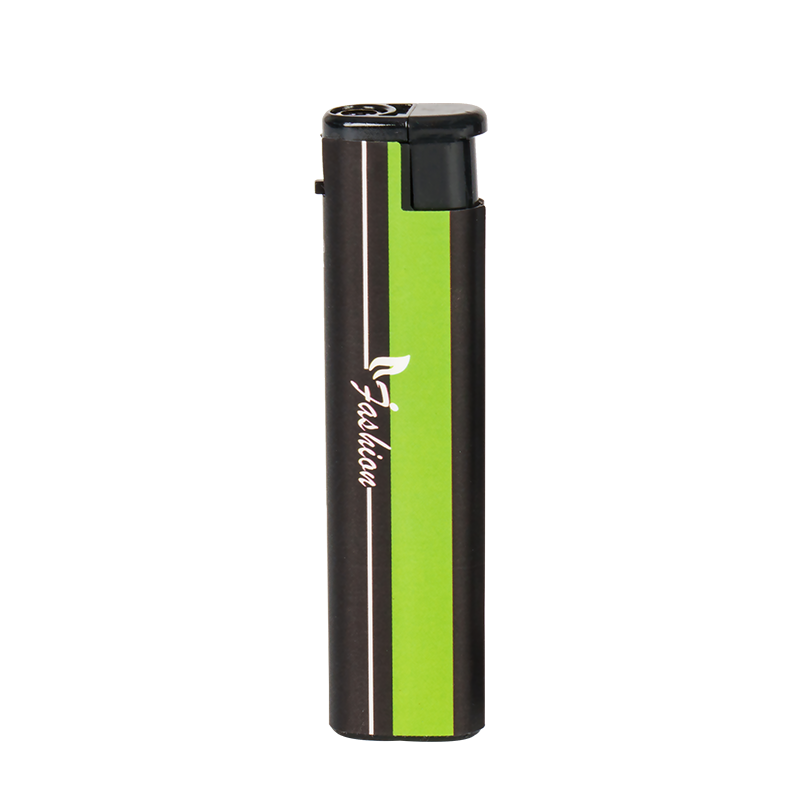
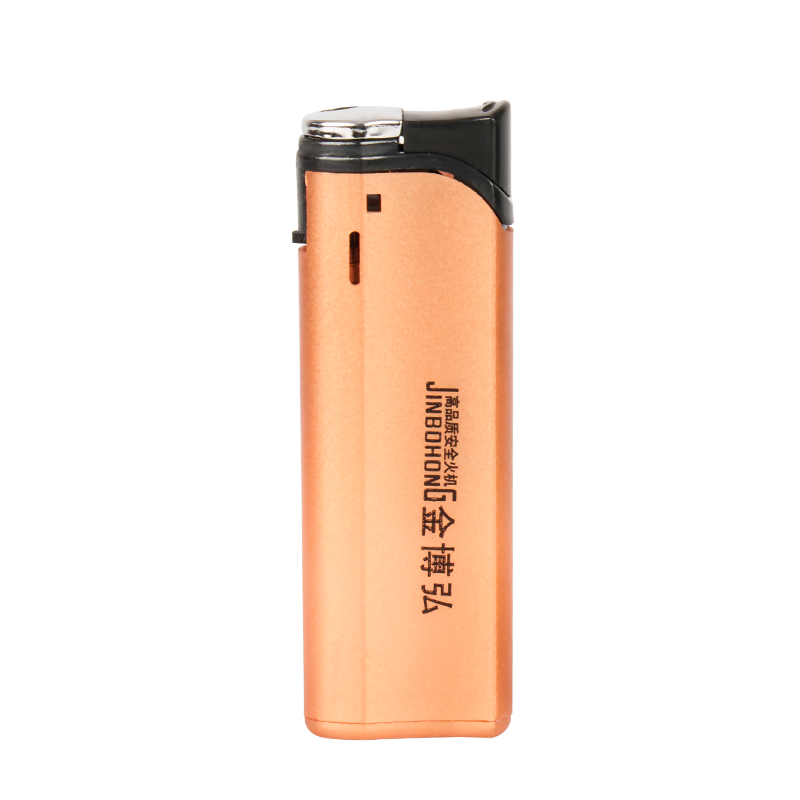
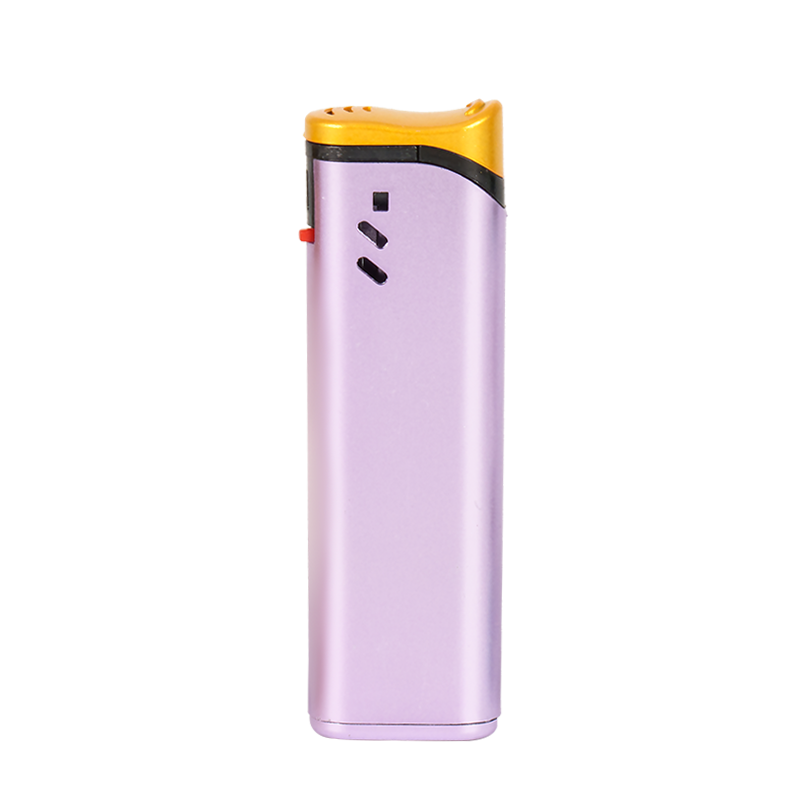
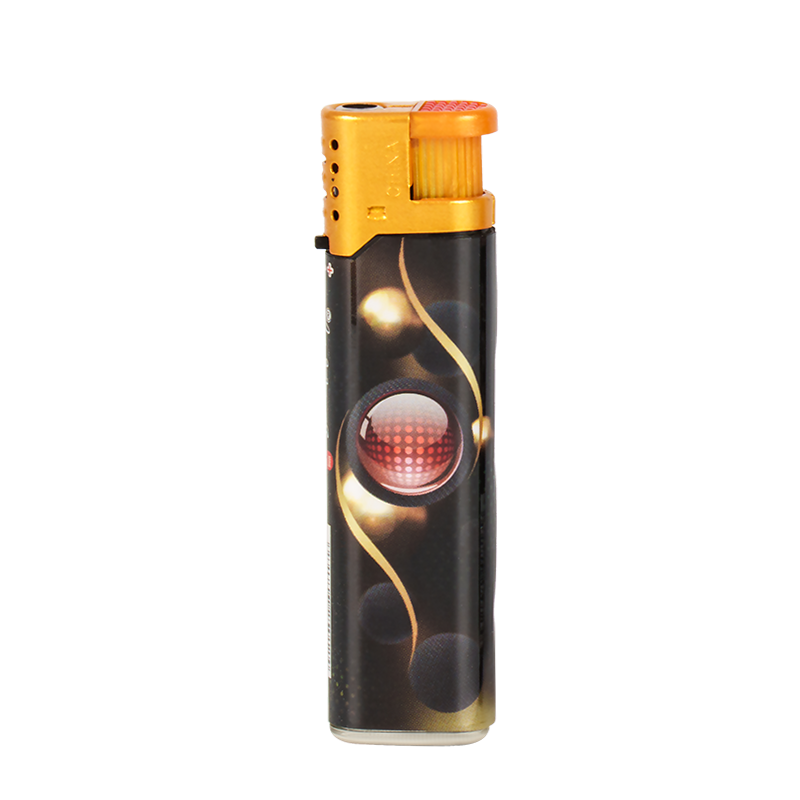
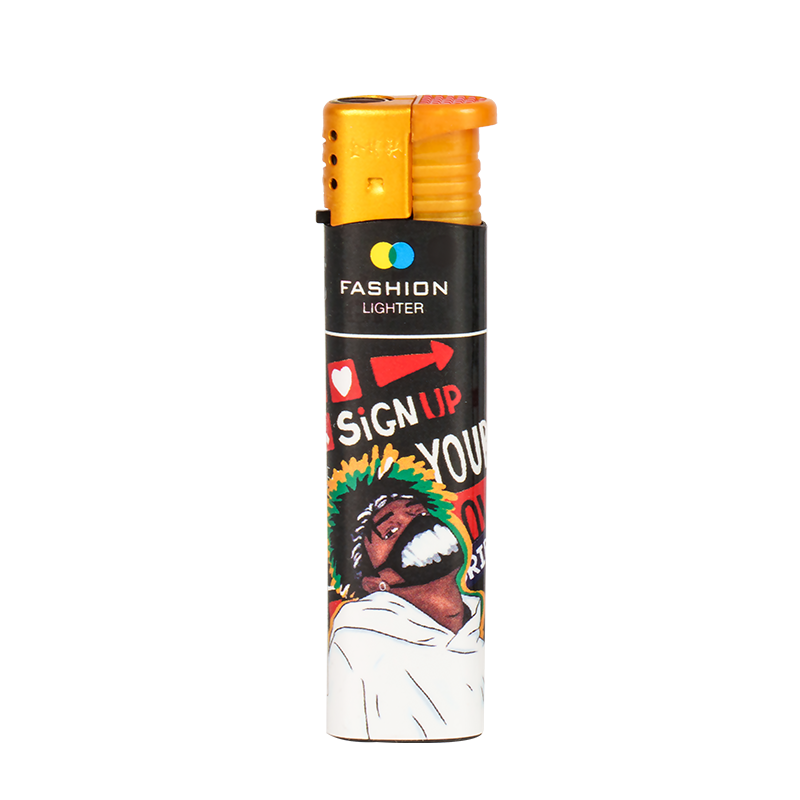
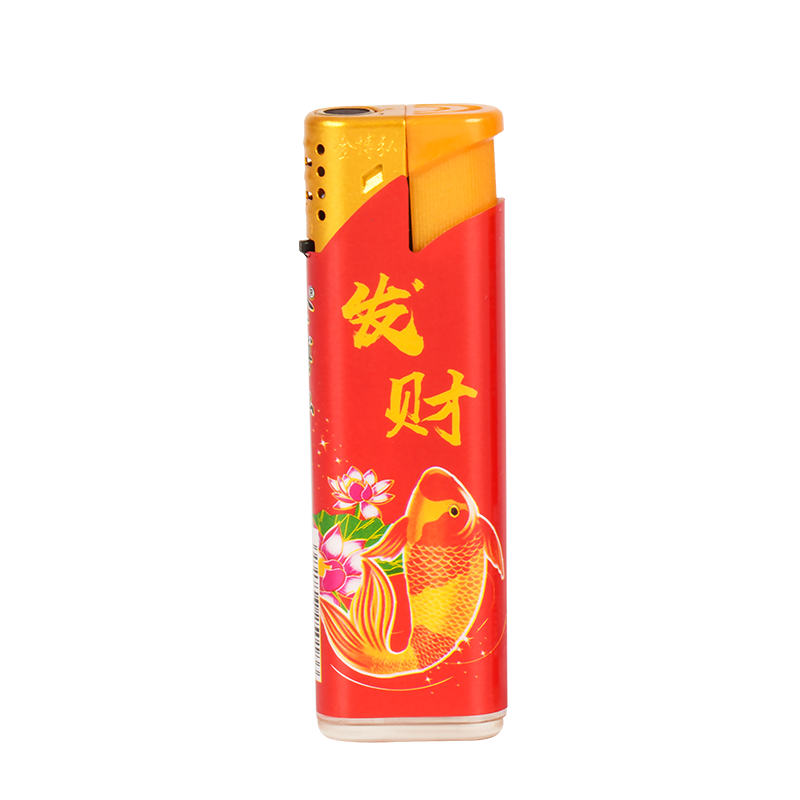
Butane lighters are portable ignition devices that use pressurized, liquefied butane gas as fuel to produce a controlled, high-temperature flame through either a soft diffusion burn or a concentrated jet stream. At their core, these lighters function by releasing butane from a sealed reservoir through a precision metering valve, where it rapidly vaporizes and mixes with ambient oxygen before being ignited by a spark generated from a ferrocerium flint or a piezoelectric crystal. According to market data from the Lighter Industry Association, over 1.5 billion butane lighters are manufactured and sold globally each year, making them one of the most ubiquitous mechanical tools on the planet alongside ballpoint pens and batteries. The defining characteristic of what are butane lighters is their ability to produce an essentially odorless, soot-free flame instantaneously upon demand, without the need for pre-heating, priming, or the messy evaporation associated with older liquid naphtha fuels. This combination of convenience, reliability, and clean combustion has made the butane lighter the dominant ignition technology for everything from household candles and culinary torches to premium cigar lighters and outdoor survival gear.
How Do Butane Lighters Work Mechanically?
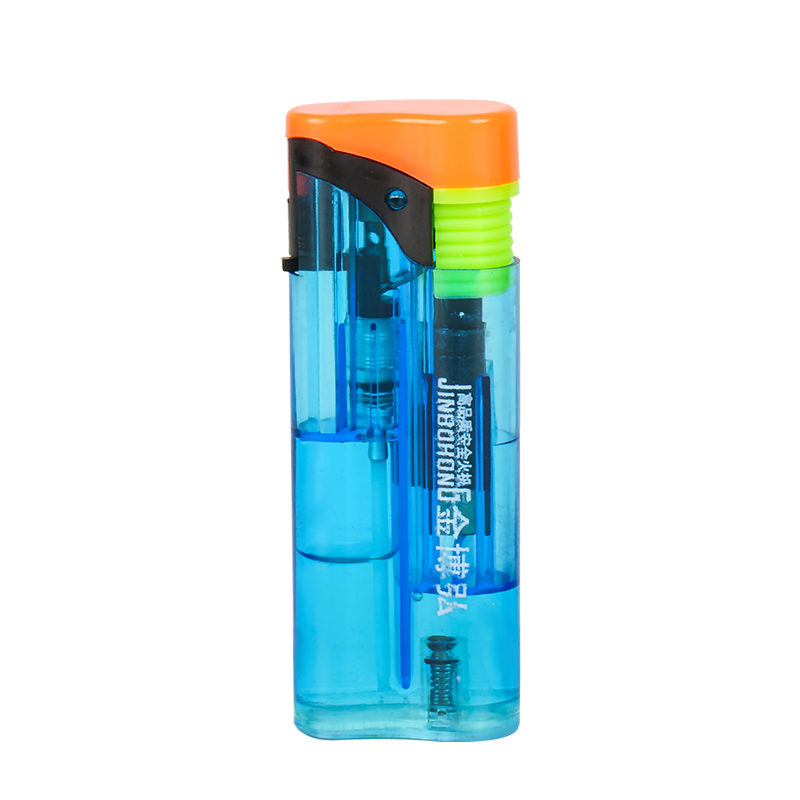
A butane lighter operates through a precise pressure differential: liquid butane stored under its own saturated vapor pressure—typically around 30 to 45 psi at standard room temperature of 20°C (68°F)—is forced through a narrow metering orifice into a lower-pressure expansion chamber, where it flashes into a gas and mixes with air to create a combustible blend. This thermodynamic process relies entirely on the physical properties of the butane molecule. Inside the sealed fuel tank, a mixture of liquid butane and butane vapor exists in equilibrium. When the user depresses the actuator or opens the valve, the pressure difference between the tank interior and the ambient atmosphere pushes the liquid through a wick or directly into a fine regulator. As the fuel exits the micro-orifice, which can be as narrow as 0.01 millimeters in diameter, the sudden pressure drop causes instantaneous vaporization. The now-gaseous butane is directed through a Venturi-shaped nozzle that draws in atmospheric oxygen at a ratio of roughly 15 parts air to 1 part butane to achieve a stoichiometric mixture capable of complete combustion.
The ignition source completes the cycle. In a classic flint-and-steel model, a serrated steel wheel shaves microscopic particles from a ferrocerium rod that spontaneously oxidize upon contact with air, creating white-hot sparks that reach temperatures exceeding 1,650°C (3,000°F). These sparks are more than sufficient to ignite the butane-air mixture, whose auto-ignition temperature is approximately 405°C (761°F). In a piezoelectric lighter, a completely different mechanism is at work: a spring-loaded hammer strikes a quartz or lead zirconate titanate crystal, generating an instantaneous electric arc voltage of about 800 to 15,000 volts across a small air gap. This arc provides the activation energy to ignite the gas cloud without any consumable flint. Once lit, the combustion of butane (C₄H₁₀) proceeds cleanly according to the reaction 2C₄H₁₀ + 13O₂ → 8CO₂ + 10H₂O, producing primarily carbon dioxide and water vapor with minimal carbon monoxide or soot particles. This clean burn is the single most important reason butane lighters have largely replaced naphtha-based camping and utility lighters in the kitchen, the laboratory, and the cigar lounge.
What Are the Main Types of Butane Lighters?
The three main categories that define what butane lighters are for specific tasks are the standard soft-flame lighter, the jet turbo flame lighter, and the multi-purpose wand utility lighter, each engineered with distinct nozzle geometries, fuel flow rates, and air intake designs to suit entirely different thermal demands. The selection of the right type depends on the required flame temperature, wind resistance, target precision, and duration of use. The table below breaks down the specific performance characteristics and ideal applications of these types.
| Lighter Type | Flame Characteristic | Temperature Range | Wind Resistance | Ideal Application |
|---|---|---|---|---|
| Standard Flame (Soft Flame) | Quiet, laminar yellow tip with blue base | 1,200–1,400°C | Low; easily extinguished by breath | Indoor candles, fireplaces, general kitchen use |
| Jet / Turbo Flame | Intense, roaring conical blue jet with inner core | 1,300–1,450°C | High; stable in 80 mph wind gusts | Cigar lighting, outdoor use, soldering, camping |
| Multi-Purpose Wand / Utility | Extended nozzle, standard or turbo tip | 1,200–1,400°C | Varies by tip design | BBQ grills, deep candles, laboratory work, hard-to-reach pilots |
Standard Flame vs. Jet Flame Lighters: A Detailed Technical Comparison
The fundamental difference between a standard soft-flame butane lighter and a turbo jet lighter lies in the aspiration and combustion chamber design: soft flames rely on passive, laminar air entrainment around a simple burner orifice, while jet flames use a forced, pre-mix combustion system that accelerates the gas-air mixture through a constricted nozzle to break the flame into a high-velocity thrust. In a soft-flame lighter, the gas exits the nozzle at relatively low velocity, typically less than 1 meter per second, and the surrounding air diffuses into the stream naturally through convection and molecular diffusion. This creates a laminar, teardrop-shaped diffusion flame that is extremely sensitive to wind because the low gas velocity cannot overcome even modest air currents. The visible yellow portion of the flame consists of incandescent carbon particles that glow as they are heated, indicating incomplete combustion at the flame tip.
In a jet lighter, the engineering is fundamentally more aggressive. The butane is forced through a micro-jet plate containing multiple tiny holes, often arranged in a circular or linear pattern, which accelerates the gas to a velocity that overcomes local wind gusts. The gas and air are partially pre-mixed in a small chamber before exiting the nozzle, creating what combustion engineers call a partially premixed flame. The characteristic hissing sound of a turbo lighter, which can reach 60 to 70 decibels at close range, is the audible result of this pressurized gas expansion and the turbulent mixing that follows. While a standard flame can be blown out by a gentle breath of less than 5 miles per hour, a quality jet flame remains stable in winds exceeding 80 miles per hour, making it the only viable choice for sailors, mountaineers, construction workers, and anyone who needs reliable ignition in exposed outdoor environments. This distinction is vital for answering what are butane lighters capable of in extreme conditions versus casual indoor use.
The Chemistry of Butane Fuel: Why It Is the Ideal Lighter Propellant
Butane (C₄H₁₀) is the ideal fuel for portable lighters because its boiling point of -1°C (30°F) allows it to remain in a dense liquid state under moderate pressure at typical room temperatures, yet it vaporizes rapidly and completely the moment it is exposed to atmospheric pressure at the nozzle. The fuel used in butane lighters is typically a highly refined "lighter-grade" butane that has been distilled to remove contaminants such as mercaptans, sulfur compounds, and heavy hydrocarbons. Low-quality butane often contains these impurities, which can clog the precision metering jets over repeated use. The viscosity of liquid butane is extremely low—approximately 0.17 centipoise at 20°C, which is about one-fifth the viscosity of water—allowing it to flow effortlessly through the narrowest orifices without requiring a wick or pump.
When the valve is opened and the pressure drops, the liquid butane absorbs heat from its surroundings to fuel the phase change from liquid to gas. This endothermic process, with a latent heat of vaporization of approximately 385 kilojoules per kilogram, causes the lighter body to feel distinctly cold during prolonged use. The heat of combustion for butane is approximately 49.5 kilojoules per gram, and under ideal stoichiometric conditions with pure oxygen, the adiabatic flame temperature can theoretically reach close to 1,970°C (3,578°F). In practical atmospheric burners, the actual visible flame temperature is somewhat lower, typically 1,200°C to 1,450°C, due to radiative heat loss, convective cooling by the surrounding air, and the dilution effect of the nitrogen that accompanies the oxygen in ambient air. Many premium lighter fuels include a small percentage of propane (typically 5% to 15%) to increase the overall vapor pressure of the blend, which improves cold-weather ignition performance when ambient temperatures drop below freezing and pure butane struggles to vaporize adequately.
The Historical Evolution of Butane Lighters
While early mechanical lighters of the early 20th century relied on liquid naphtha, a flammable petroleum distillate drawn up through a fabric wick, the butane lighter revolutionized ignition technology in the mid-20th century by introducing a hermetically sealed valve system that prevented fuel evaporation and required no priming or pre-heating whatsoever. The first commercially successful butane lighter appeared in the late 1940s, but it was the rapid advancement of precision injection molding and micro-valve manufacturing in the 1960s that transformed these devices into the inexpensive, disposable, and extraordinarily reliable tools that are now found in every supermarket checkout aisle. Unlike kerosene or naphtha lighters, which depend on capillary action to draw fuel up a wick to the ignition point, a butane lighter functions as a miniature Bunsen burner with a self-contained fuel supply. This engineering transition had a profound cultural impact, particularly on the cigar industry and the culinary world. Aficionados quickly recognized that the butane torch eliminated the acrid, petroleum-tinged taste that a fluid-soaked wick could impart to premium tobacco, and chefs discovered that the clean, hot flame was perfect for caramelizing sugar, roasting peppers, and finishing delicate dishes without any fuel aftertaste. When considering the full scope of what are butane lighters, it is useful to view them historically as the convergence of petrochemical engineering, precision metallurgy, and mass-production plastics technology—a far more sophisticated thermodynamic machine than a simple matchstick, flint box, or even early gasoline lighters.
Practical Applications Across Diverse Industries
The utility of butane lighters extends far beyond the casual smoker or the household candle drawer; they are precision thermal tools utilized in specialized fields ranging from molecular gastronomy and analytical chemistry laboratories to industrial HVAC maintenance and wilderness emergency preparedness. The following applications highlight the remarkable breadth of uses that define what are butane lighters capable of achieving:
- Culinary arts and professional kitchens: Pastry chefs use mini torch lighters to caramelize sugar on crème brûlée, brown meringues, roast bell peppers for peeling, and melt cheese gratins. The clean-burning butane flame ensures that no fuel aftertaste contaminates the food, which is a strict requirement in high-end gastronomy.
- Laboratory and scientific settings: Butane torches produce a flame hot enough to sterilize small instruments such as inoculation loops and forceps, heat glass tubing for bending and shaping, seal ampoules, and provide a contamination-free ignition source for Bunsen burners. The flame's consistent temperature and clean combustion make it suitable for controlled laboratory heating.
- Outdoor survival and camping: While pure butane performance drops noticeably in sub-zero temperatures below its boiling point, a body-warmed turbo torch lighter provides a critical ignition source for campfires, wood stoves, and backpacking cook systems even in damp or windy conditions where conventional matches and ferro rods struggle to establish a flame.
- Electronics repair and field soldering: Portable butane-powered soldering irons use a jet lighter heating element and a catalytic tip to melt solder, allowing field technicians to perform precise wiring repairs on vehicles, marine electronics, and remote telecommunications equipment without access to AC mains electricity.
- Cigar and pipe smoking: Butane torch lighters are the preferred ignition tool for cigar aficionados because they produce a very hot, focused flame that can evenly toast the foot of a cigar without imparting any chemical taste, unlike sulfur matches or naphtha fluid lighters.
Frequently Asked Questions About Butane Lighters
Can butane lighters be carried on an airplane?
According to the U.S. Transportation Security Administration (TSA) regulations, disposable butane lighters and standard Zippo-type lighters are permitted in carry-on luggage but are strictly prohibited in checked baggage unless they are contained in a Department of Transportation-approved sealed case. However, blue flame torch lighters and high-intensity jet lighters are generally banned from both carry-on and checked luggage because they can generate enough concentrated heat to breach an aircraft's fire suppression systems and pose an elevated safety risk. International regulations are governed by the International Civil Aviation Organization (ICAO), and most countries follow similar restrictions. Travelers should always check the specific airline and destination country regulations before packing any lighter, as penalties for violations can include confiscation and fines.
Why is my butane lighter sputtering or failing to produce a stable flame?
A sputtering, flickering, or inconsistent flame is almost always caused by one of three common problems: an airlock trapped inside the fuel tank that disrupts the liquid fuel flow, clogged metering jets from the use of impure or low-quality butane, or a misaligned burner ring that fails to direct the gas stream correctly. To fix an airlock, the lighter must be completely bled of all pressurized contents by holding the fill valve open with a small screwdriver or a toothpick until all gas and trapped air escape, then refilled carefully with high-purity, triple-filtered butane. If the piezoelectric ignition hammer is misaligned or the electrode wire is corroded, no spark will be visible when the actuator is pressed. This repair typically involves disassembling the metal guard and cleaning the electrode tip with isopropyl alcohol and a cotton swab to remove carbon deposits and oxidation.
What is the expected lifespan of a butane lighter?
The lifespan depends heavily on the quality of materials and construction. A disposable plastic butane lighter can deliver between 1,500 and 3,000 individual lights before the ferrocerium flint is worn down to the spring or the plastic actuator mechanism breaks from fatigue. A high-end refillable lighter featuring a solid brass valve assembly, stainless steel burner components, and a replaceable flint system can effectively last a lifetime, barring catastrophic physical damage such as being crushed or dropped from a height. The single most critical factor for maximizing the lifespan of any refillable butane lighter is fuel purity; a single droplet of moisture or a trace of heavy oil in the butane can permanently clog the regulating valve and render the lighter inoperable without professional disassembly and ultrasonic cleaning.
How should I store butane lighters and fuel safely?
Butane lighters and their fuel canisters should be stored upright in a cool, dry location away from direct sunlight, heat sources, open flames, and electrical equipment that could produce sparks. The storage temperature should never exceed 49°C (120°F), which can easily occur inside a closed vehicle parked in the sun on a summer day. At elevated temperatures, the vapor pressure inside the lighter increases dramatically, and the plastic housing of a disposable lighter can rupture or explode with enough force to cause injury. For long-term storage, the fuel tank should be mostly full rather than mostly empty, as a full tank minimizes the air volume inside and reduces the risk of internal oxidation or seal drying. Butane canisters should be kept in a well-ventilated area, as butane gas is heavier than air and can accumulate in low-lying areas if a slow leak occurs, creating a fire hazard.
Understanding what are butane lighters is to appreciate a marvel of miniature fluid dynamics, precision manufacturing, and combustion physics that fits comfortably in the palm of a hand. Whether using a soft blue flame to kindle a campfire in a light drizzle, a precise turbo jet to toast a premium cigar, a long-reach wand to ignite a barbecue grill, or a kitchen torch to finish a delicate dessert, the butane lighter represents a masterpiece of engineering that has become so thoroughly integrated into daily life that its sophistication is easily overlooked. From its clean-burning chemistry to its reliable piezoelectric or flint-based ignition, this compact device delivers instant, controlled fire on demand, a capability that would have seemed miraculous just a few generations ago.