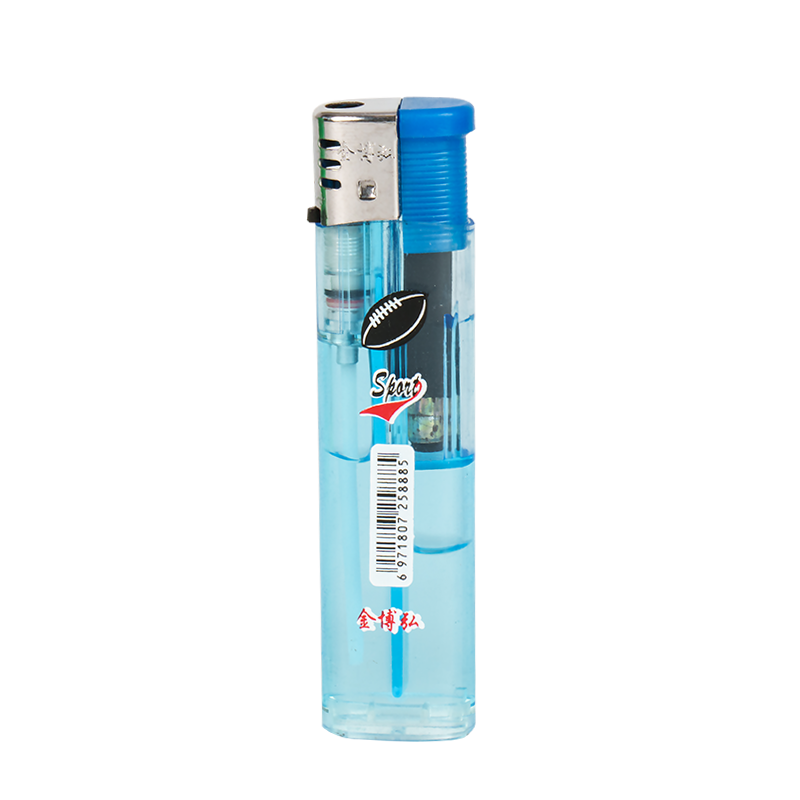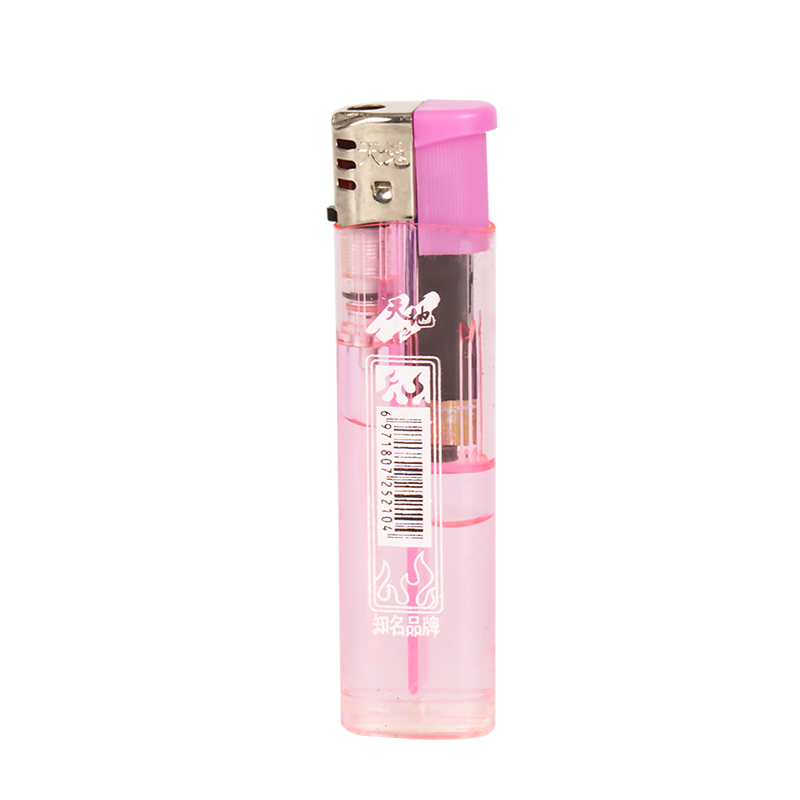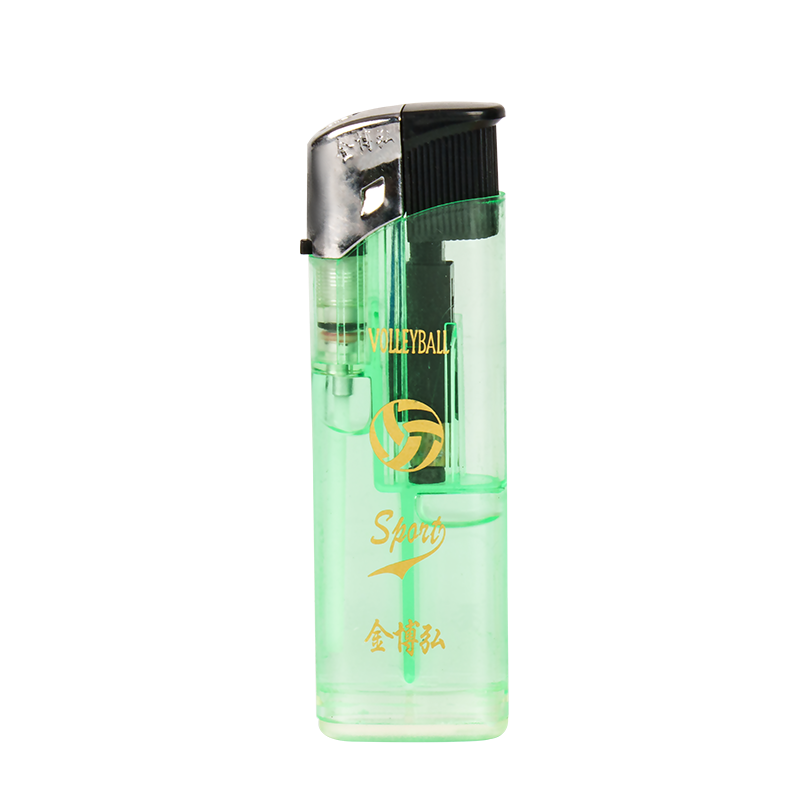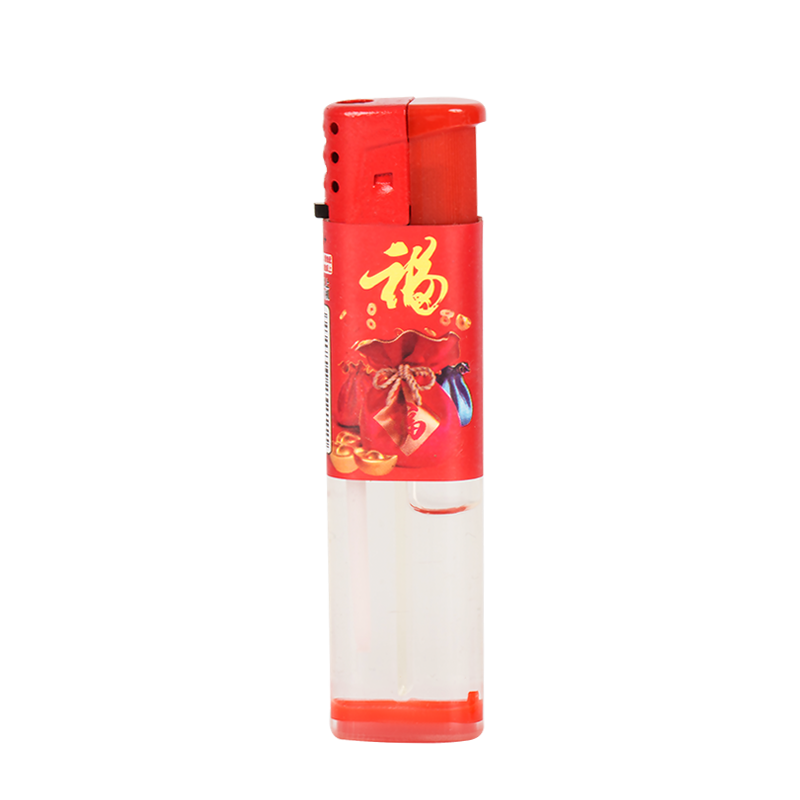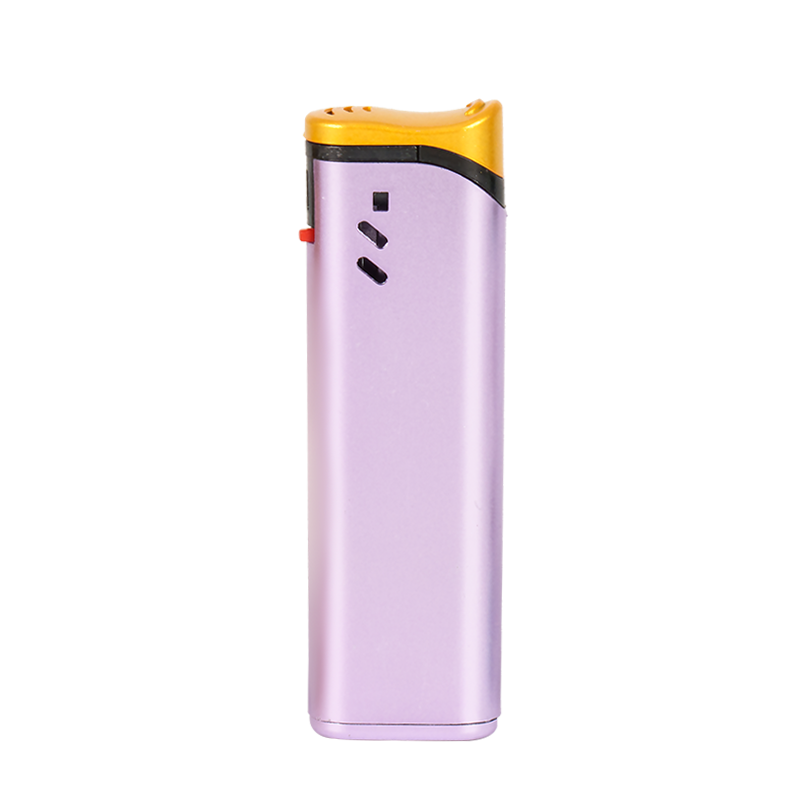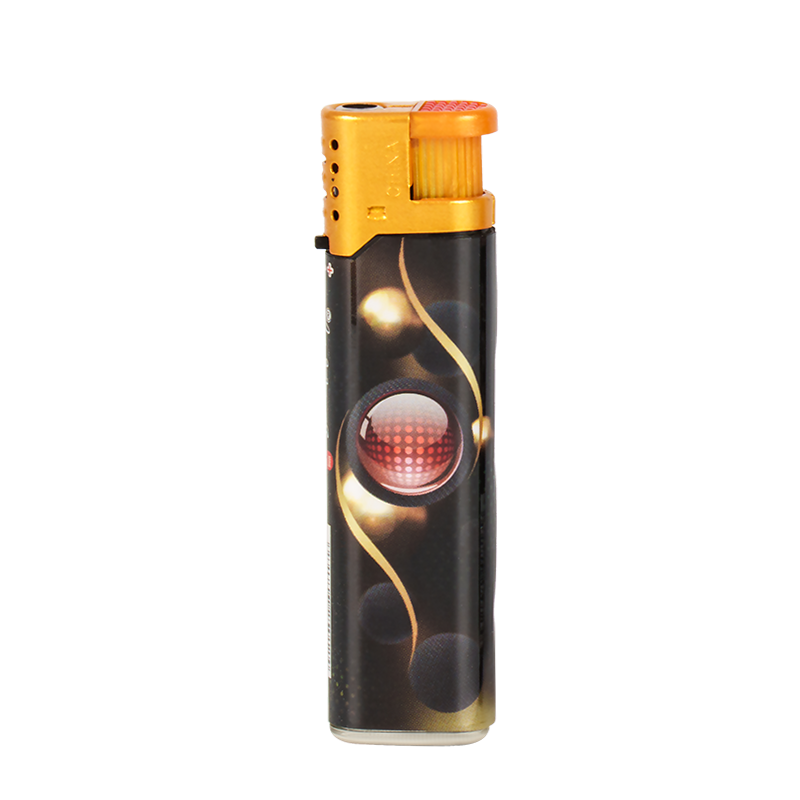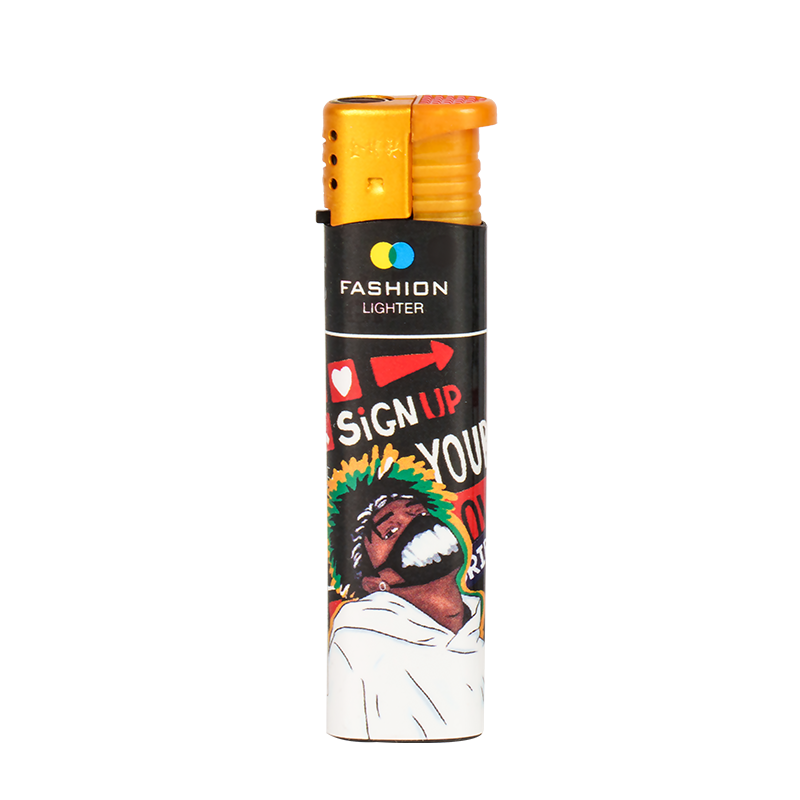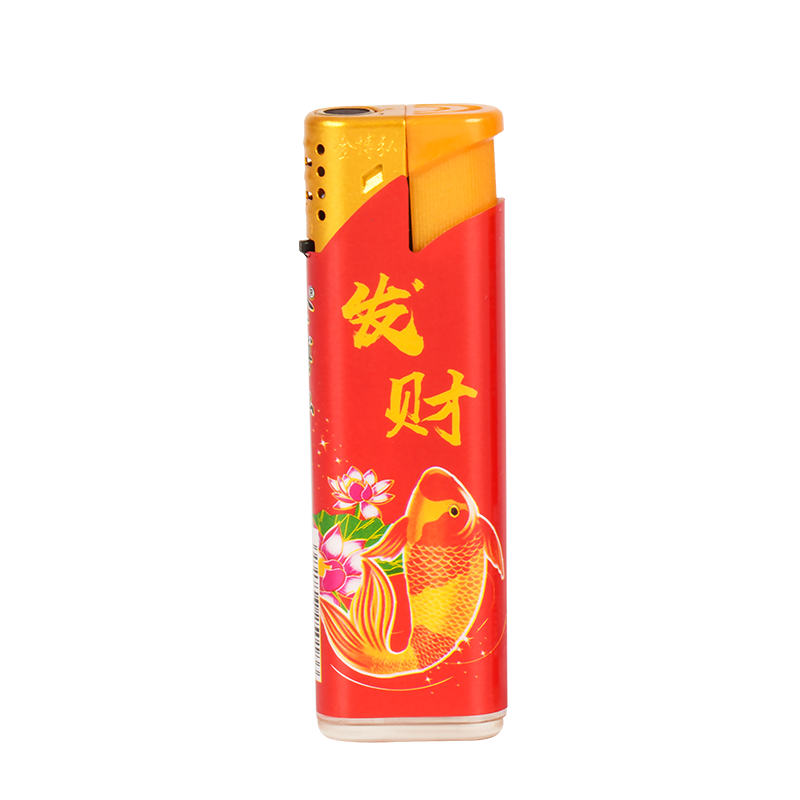
Torches lighters are high-performance ignition tools that produce a powerful, windproof flame — making them far superior to ordinary lighters for demanding tasks like culinary finishing, outdoor adventures, cigar lighting, jewelry work, and emergency preparedness. Whether you're a professional chef, a camping enthusiast, or simply looking for a reliable everyday carry, understanding how torch lighters work and which type suits your needs is essential.
A torch lighter — also called a jet flame lighter or butane torch lighter — is a device that forces pressurized gas (typically butane) through a nozzle and ignites it to create a focused, directed flame. Unlike a standard soft-flame lighter, a torch lighter produces a hard, pencil-thin flame that burns at temperatures up to 2,500°F (1,370°C). This makes it resistant to wind and capable of tasks requiring precision heat.
The key characteristics that distinguish torches lighters from conventional lighters include:
Not all torch lighters are created equal. The market offers a wide variety of styles, each engineered for specific applications. Below is a comprehensive breakdown.
The most common type of torch lighter, single jet models emit one focused flame. They are compact, easy to carry, and ideal for everyday tasks like lighting candles, gas stoves, cigars, or campfires. They offer the best fuel efficiency among all torch lighter types.
Double jet torch lighters produce two parallel flames simultaneously, delivering more heat output in a shorter time. These are popular with cigar aficionados who need to toast large ring gauge cigars evenly. They consume more fuel but provide superior heating speed.
With three nozzles firing at once, triple jet torch lighters are the go-to choice for premium cigar lovers, culinary professionals caramelizing large surfaces, and outdoor users who need maximum flame power. They burn hotter and wider, though they deplete fuel faster.
Culinary torch lighters (also called kitchen torches or chef's torches) are larger handheld devices designed specifically for food applications. They feature ergonomic handles, high-capacity fuel tanks, and adjustable wide flames perfect for caramelizing crème brûlée, browning meringue, melting cheese, or searing meat surfaces.
Pen torch lighters are slim, elongated devices shaped like a marker or pen. They excel in precision tasks: soldering small electronics, jewelry making, scientific lab applications, and pipe lighting. Their slim profile allows access to tight spaces.
A modern innovation, plasma arc lighters use an electric arc instead of butane. They are windproof, rechargeable via USB, and produce no open flame. While technically not a traditional torch lighter, they are increasingly categorized alongside them for their windproof and high-temperature functionality.
Use the table below to compare the most popular types of torch lighters side by side:
| Type | Flame Jets | Best Use | Fuel Economy | Portability |
| Single Jet | 1 | Everyday use, camping, cigars | Excellent | High |
| Double Jet | 2 | Cigars, candles, outdoor | Good | High |
| Triple Jet | 3 | Premium cigars, culinary | Average | Medium |
| Culinary Torch | 1–2 (wide) | Cooking, baking, food prep | Good | Low |
| Pen Torch | 1 (narrow) | Jewelry, soldering, pipes | Excellent | Very High |
| Plasma Arc | Electric arc | Candles, incense, travel | Rechargeable | Very High |
Torch lighters have evolved far beyond simple fire-starting tools. Today they serve a wide spectrum of professional and recreational purposes.
Professional chefs rely on culinary torch lighters to caramelize sugar on crème brûlée, brown meringue peaks, melt and bubble cheese on gratins, and even add smoky char to sashimi or carpaccio. The precise, controllable flame of a kitchen torch lighter allows chefs to achieve restaurant-quality finishing at home.
Cigar torch lighters are considered the gold standard among cigar enthusiasts. The butane torch lighter's clean-burning, odorless flame doesn't alter the cigar's taste, and the windproof jet ensures an even toast and light even outdoors. Double or triple jet models are especially prized for large ring gauges.
For outdoor enthusiasts, a camping torch lighter is indispensable. Wind, humidity, and cold temperatures can defeat regular lighters, but windproof torch lighters ignite reliably in harsh conditions. They are used to start campfires, light gas stoves, and ignite kindling or tinder quickly.
Jewelry torch lighters and pen-style torches are vital tools for goldsmiths, silversmiths, and hobbyist metalworkers. They are used for soldering jump rings, annealing wire, and fusing small metal components. The concentrated flame allows precise heat application without damaging surrounding materials.
Butane torch lighters with higher BTU output are popular for sweat-soldering copper pipes, loosening corroded bolts with heat, removing paint, and bending PVC or plastic tubing. While heavy-duty plumbing torches use propane, compact torch lighters handle lighter repair tasks effectively.
Torch lighters are excellent for lighting deep-set jar candles, pillar candles, and outdoor tiki torches where a standard lighter's flame would burn your fingers. The elongated, directed flame reaches where ordinary lighters cannot.
Selecting the right torch lighter depends on your primary use case, budget, and personal preferences. Here are the most important factors to evaluate.
The BTU (British Thermal Unit) rating measures the heat output of a torch lighter. Higher BTU means more power and faster heating. For everyday tasks like candle or cigar lighting, 1,000–3,000 BTU is sufficient. For culinary or metalwork applications, look for 3,000–10,000 BTU models.
Most torch lighters use refined butane gas, which is widely available and inexpensive. Look for a model with a visible fuel window so you can monitor the level. Larger fuel tanks mean longer burn time between refills — a critical feature for frequent users.
A good torch lighter should include an easy-to-use flame adjustment dial. This allows you to reduce the flame for delicate work (like lighting a candle or a pipe) or maximize it for intense heat tasks. Stepless adjustment wheels offer the most control.
Safety is paramount when shopping for torches lighters. Essential safety features include a child-resistant safety lock, an automatic flame-out valve, and heat-resistant housing. For homes with children, always choose a model with a locking ignition mechanism.
High-quality torch lighters are constructed from zinc alloy, stainless steel, or reinforced ABS plastic. Metal-bodied lighters offer better durability and heat resistance. Plastic models are lighter but may degrade faster under heavy use.
Most torch lighters use one of two ignition systems: piezoelectric ignition (produces a spark when a button is pressed) or flint-based ignition (requires a striker wheel). Piezoelectric systems are more reliable and require no replacement parts, making them the preferred choice for modern torch lighters.
| Feature | Torch Lighter | Regular Lighter |
| Flame Type | Hard jet flame | Soft open flame |
| Temperature | Up to 2,500°F (1,370°C) | ~600–900°F (315–480°C) |
| Wind Resistance | Excellent (windproof) | Poor |
| Refillable | Yes (butane) | Most are disposable |
| Precision | High (focused flame) | Low |
| Adjustable Flame | Yes | Rarely |
| Cost | $10–$80+ | $1–$5 |
| Environmental Impact | Lower (reusable) | Higher (disposable waste) |
Knowing how to properly refill a torch lighter extends its lifespan and ensures consistent performance. Follow these steps:
Pro tip: Always use triple-refined butane for the best performance. Lower-quality butane contains impurities that clog the torch lighter's nozzle over time.
While torch lighters are extremely useful, their high-temperature flames require responsible handling. Here are essential safety guidelines:
| Problem | Likely Cause | Solution |
| Flame won't ignite | Empty fuel or clogged nozzle | Refill butane; clean nozzle with compressed air |
| Weak or sputtering flame | Low butane or impure fuel | Refill with triple-refined butane |
| Flame goes out immediately | Air in fuel tank | Purge the tank completely, then refill |
| Yellow or orange flame | Dirty nozzle or impure butane | Clean nozzle; switch to premium butane |
| Fuel leaking during refill | Tank is already full or nozzle mismatch | Stop refilling; check nozzle compatibility |
| Igniter sparks but no flame | Flame adjuster set too low | Increase flame dial slightly |
Almost all torch lighters use butane gas as fuel. Butane is pressurized and stored in the lighter's reservoir. For the best performance and to avoid clogging the nozzle, always use triple-refined or premium butane. Standard or impure butane contains moisture and particles that degrade torch lighter performance over time.
Most aviation authorities, including the TSA (USA) and equivalent agencies internationally, allow one butane torch lighter per passenger in carry-on baggage, provided it is empty of fuel or meets specific guidelines. Torch lighters with blue or invisible flames (jet lighters) are generally prohibited in checked luggage. Always verify current regulations before traveling.
With proper care and regular refilling, a quality torch lighter can last for years. The ignition mechanism (piezoelectric) typically lasts thousands of ignitions. Fuel burn time per fill depends on tank size and flame setting — typically ranging from 30 minutes to several hours of total burn time.
Yes, butane torch lighters are safe for direct food contact during cooking. Butane gas burns cleanly and leaves no residue or flavor on food. This is why culinary torch lighters are standard tools in professional kitchens. Always use food-safe butane and avoid using heavily scented or novelty lighters on food.
A torch lighter is generally a compact, pocket-sized device, while a kitchen torch (or culinary torch) is a larger handheld tool with a bigger fuel reservoir, wider flame output, and ergonomic grip designed specifically for food preparation. Both are types of butane torches, but kitchen torches offer more power and control for culinary tasks.
To clean a clogged torch lighter nozzle, use a can of compressed air to blow out debris. For stubborn clogs, use a thin needle or toothpick to gently clear the nozzle tip. Avoid using water or solvents, which can damage internal components. Regular use of premium butane significantly reduces clogging.
Absolutely. Torch lighters for cigars are universally preferred over regular soft-flame lighters because they produce an odorless, tasteless butane flame that doesn't affect the cigar's flavor profile. The windproof jet flame also ensures a complete, even toast before lighting, which is critical for a quality smoking experience.
Choosing the best torch lighter ultimately depends on your specific needs:
No matter which type you choose, investing in a quality torch lighter is always worth it. The combination of reliability, windproof performance, adjustable heat, and long-term reusability makes torches lighters one of the most versatile and practical tools you can own.
Copyright © China Cixi Jihong Electronics Co., Ltd. All Rihgts Reserved. Custom Lighters Manufacturers Wholesale Blue Flame Lighters Suppliers