

 English
 русский
 Español
 عربى
عربى


To hit a cart with a lighter, hold the flame 1–2 cm below the cartridge for 3–5 seconds to gently warm the oil, then draw slowly through the mouthpiece — no battery required. This technique is a well-known workaround used when a vape cart battery is dead, missing, or incompatible. The heat from the lighter warms the thick oil inside the cartridge enough to vaporize it so you can inhale. Done correctly and with appropriate care, it is an effective short-term solution. This guide covers exactly how to do it safely, what to watch out for, and when it makes sense versus simply charging or replacing your battery.
Note: This guide is intended for adults in jurisdictions where vape cartridges are legal. Always follow local laws and regulations regarding cannabis and vaping products. Keep lighters and vape cartridges away from children.
Why People Hit a Cart with a Lighter
The lighter method works because vape oil — especially high-viscosity distillate or live resin — needs to reach roughly 160–200°C to vaporize, and a standard butane lighter flame can bring the cartridge body up to that range within a few seconds of indirect warming.
There are several common scenarios where someone reaches for a lighter instead of a battery:
- Dead or uncharged 510-thread battery: The most common reason. Rather than waiting for a charge, users warm the cart directly.
- Incompatible battery voltage: Some carts with ceramic coils designed for 3.3V perform poorly on a high-voltage battery. Lighter warming bypasses the coil entirely and vaporizes oil through direct heat conduction.
- Clogged cartridge: Cold or thick oil can clog the airway. A few seconds of gentle heat from a lighter reliquefy the oil and clear the clog — this is actually the most practical and low-risk use of the technique.
- Nearly empty cart: When a cart is almost finished and residual oil clings to the walls, warming it helps pool the remaining oil at the wick for a final draw.
What You Need Before You Start
You only need three things: the vape cartridge, a standard butane lighter, and a few minutes of patience — rushing the process is the most common cause of burned oil and ruined carts.
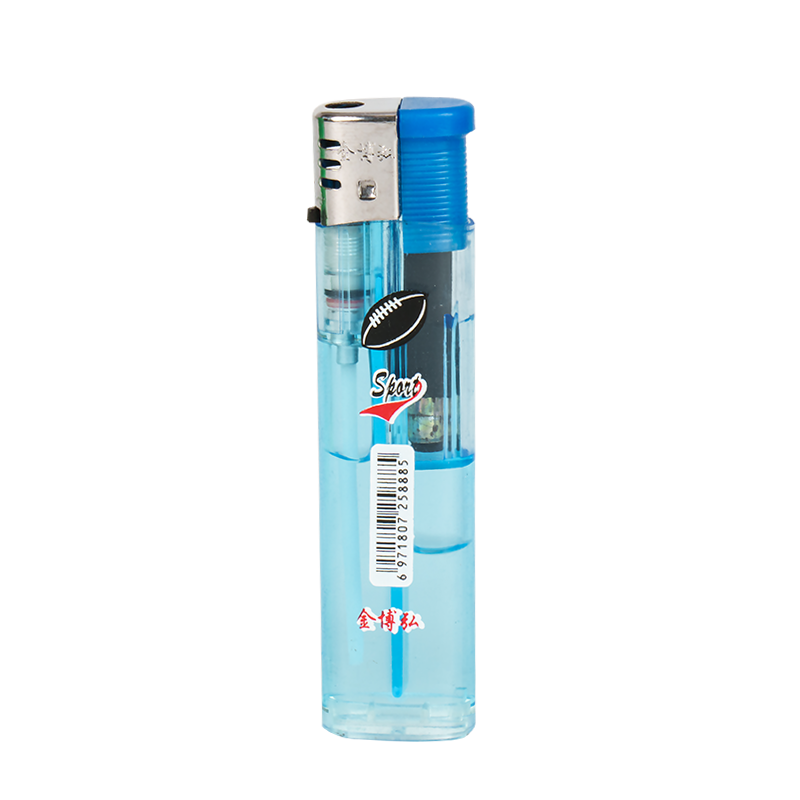
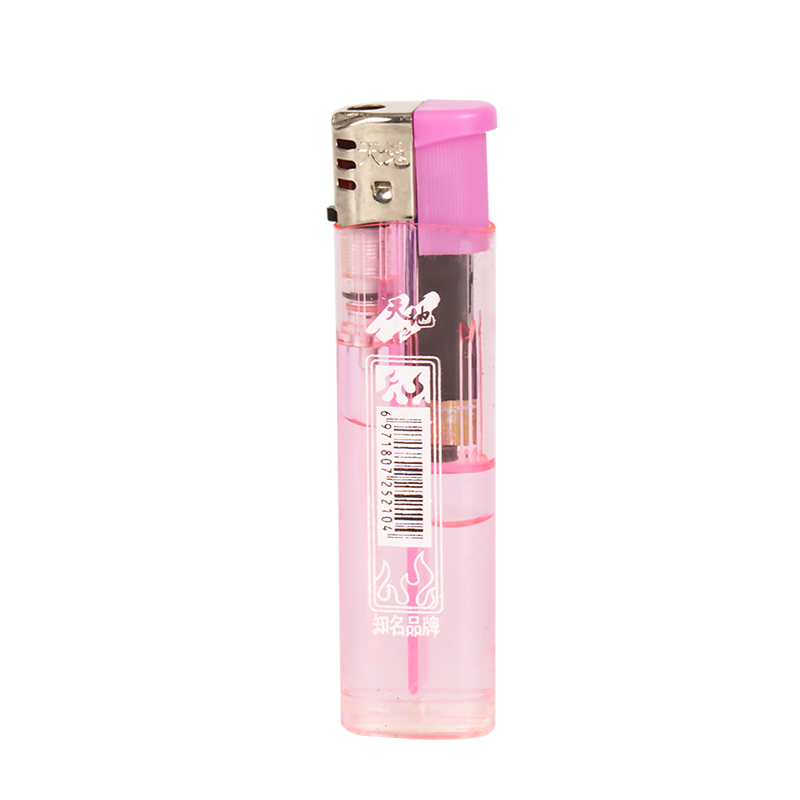
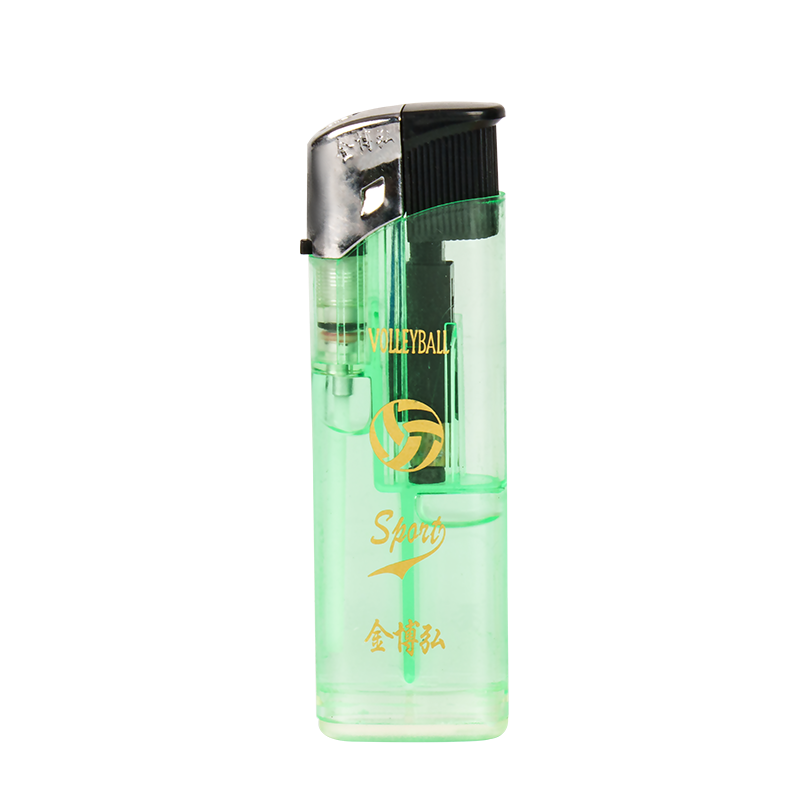
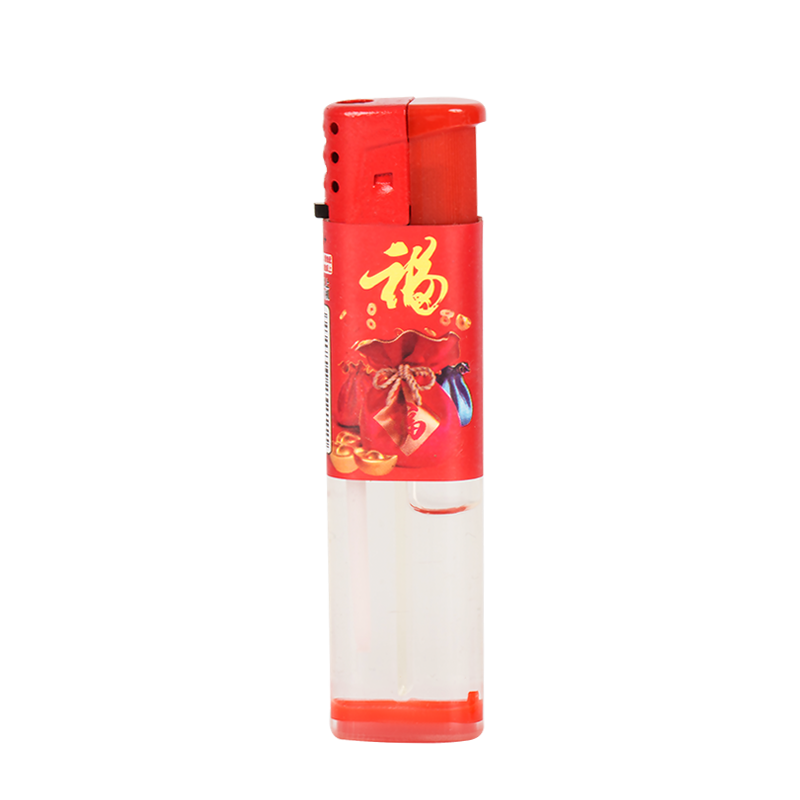
- Butane lighter (standard or mini): A regular disposable or refillable butane lighter works best. Torch lighters (jet flame) produce too intense and concentrated a flame and can crack glass cartridges or melt plastic components — avoid them for this technique.
- The vape cartridge: Works with standard 510-thread cartridges, pod-style carts, and disposable vape pens (with the outer casing removed if necessary). Glass and metal carts handle heat better than plastic-body carts.
- A steady surface or your hand: You need to hold the cart and lighter steadily so the flame stays in the right position.
How to Hit a Cart with a Lighter: Step-by-Step
The key to successfully hitting a cart with a lighter is using indirect heat — never place the flame directly on the cart body — and keeping each warming session to 3–5 seconds maximum.
Step 1: Inspect the Cartridge
Before applying any heat, examine the cart. Check for cracks in the glass, damaged mouthpiece, or visible leaking oil. Do not apply heat to a cracked or leaking cartridge — leaked oil near an open flame is a burn and fire hazard. If the cart looks intact, proceed to the next step.
Step 2: Hold the Cart Correctly
Hold the cartridge between your thumb and index finger with the mouthpiece pointing upward. Keep the mouthpiece away from the flame at all times — you will be heating the lower or middle section of the cart body, not the tip you inhale from.
Step 3: Apply the Flame at the Right Distance
Position the lighter so the tip of the flame is 1.5–2.5 cm (about 0.75 inches) away from the lower body of the cart — this is the indirect heating zone that warms without scorching. Ignite the lighter and hold it in this position for 3–5 seconds. Do not press the flame against the glass or metal body. Keep the flame moving slowly side to side rather than holding it in one spot, distributing heat evenly across the cart body.
Step 4: Wait 5–10 Seconds, Then Draw
After warming, put the lighter down and wait 5–10 seconds. This allows the heat to conduct from the outer wall into the oil inside. Place your lips around the mouthpiece and take a slow, steady draw lasting 2–3 seconds — do not inhale sharply or forcefully. A slow pull lets the warmed oil vaporize gradually and travel through the airway cleanly.
Step 5: Repeat If Needed, with Cooling Time
If the first draw produces little vapor, you can repeat the warming step. Always allow the cartridge to cool for at least 30 seconds between heating sessions to prevent the internal components — especially the ceramic or cotton wick — from overheating and burning. Most users find 2–3 warming cycles are sufficient for a fully loaded cart. For an almost-empty cart, a single 4-second warming pass is usually enough to pool the last of the oil for a final draw.
Quick Reference: Do's and Don'ts When Hitting a Cart with a Lighter
Following the correct technique separates a successful hit from a ruined cartridge — the difference often comes down to flame distance and heating duration.
| Factor | Recommended (Do) | Avoid (Don't) |
| Lighter type | Standard soft-flame butane | Torch / jet flame lighter |
| Flame distance | 1.5 – 2.5 cm from cart body | Direct contact with glass or metal |
| Heating duration | 3 – 5 seconds per session | 10+ seconds continuous heating |
| Cart section to heat | Lower to middle body | Mouthpiece or threading end |
| Wait time before drawing | 5 – 10 seconds after heating | Drawing immediately while heating |
| Inhale style | Slow, steady 2–3 second pull | Hard, rapid inhale |
| Cooling between sessions | At least 30 seconds between heats | Heating repeatedly without pause |
| Cart condition | Intact, no cracks or leaks | Cracked, leaking, or damaged carts |
Table 1: Recommended practices versus common mistakes when using a lighter to hit a vape cartridge.
How Different Cart Types Respond to the Lighter Method
Glass-body 510-thread cartridges respond best to the lighter method because glass conducts heat evenly and tolerates repeated mild warming without degrading — plastic-body carts are significantly more vulnerable to heat damage.
| Cart Type | Body Material | Lighter Method Suitability | Key Caution |
| Standard 510-thread cart | Glass + metal | Excellent | Avoid touching metal threading end |
| All-ceramic cart | Ceramic | Good | Ceramic retains heat; use shorter sessions |
| Disposable vape pen | Plastic outer shell | Fair (with caution) | Plastic melts easily; keep flame further away (3–4 cm) |
| Pod system (snap-in) | Plastic pod | Poor | Plastic pod body deforms; risk of leaking |
| Thick-oil syringe cart | Glass or metal | Excellent | High-viscosity oil benefits most from this method |
Table 2: How different vape cartridge types respond to the lighter heating method, with key cautions for each.
Lighter Method vs Other Ways to Hit a Cart Without a Battery
The lighter method is the fastest no-equipment solution, but warm water immersion is safer and more controlled for users who have an extra 5 minutes — both are significantly better options than improvised electrical methods that risk shocking yourself or destroying the cart.
| Method | Time Required | Equipment Needed | Safety Level | Vapor Quality |
| Lighter warming | Under 1 minute | Standard lighter only | Moderate (requires care) | Good when done correctly |
| Warm water bath | 5 – 10 minutes | Warm water, sealed bag | High (very gentle heat) | Good (preserves oil quality) |
| Body heat (pocket warming) | 15 – 30 minutes | None | Very High | Moderate (limited warming) |
| Hair dryer (low heat) | 2 – 5 minutes | Hair dryer, power outlet | High (controlled temperature) | Good |
| Improvised wiring methods | Unpredictable | USB cables, batteries | Very Low (serious hazard) | Poor to none |
Table 3: Comparison of methods for hitting a vape cart without a battery, evaluated by time, equipment, safety, and vapor quality.
Troubleshooting: Why Your Cart Still Won't Hit After Using a Lighter
If the cart still produces no vapor or very little after two or three warming sessions, the problem is likely not viscosity — it is a physical clog, an empty cart, or a structural failure of the coil or wick.
Problem: No Airflow at All
If you cannot draw any air through the mouthpiece, the airway is physically blocked — typically by hardened oil that has crystallized in the airway tube. Warm the cart more aggressively (5–7 seconds, slightly closer) and then try blowing gently backward through the mouthpiece (with it pointing away from you) to push the blockage clear. A thin pin or toothpick inserted 1–2 mm into the mouthpiece opening can also dislodge surface-level clogs without damaging the wick.
Problem: Vapor Tastes Burned or Harsh
A burned taste almost always means the wick or coil has overheated. This can happen if the lighter was held too close, too long, or the cart was already nearly empty when heated. Unfortunately a burned wick cannot be repaired — the cart is typically at end of life. Going forward, use shorter heating sessions and ensure there is visible oil in the cart before applying heat.
Problem: Oil Leaking Out of the Mouthpiece
If warm liquid oil begins running out of the mouthpiece after heating, the oil has been liquefied too aggressively. Stop heating immediately, hold the cart upright (mouthpiece up), and allow it to cool for 2–3 minutes. The oil will re-thicken and settle back into the chamber. To avoid this in future sessions, reduce heating duration to 2–3 seconds and maintain the 2 cm flame distance.
When to Stop Using a Lighter and Just Get a Battery
The lighter method is a one-time or occasional workaround — if you find yourself using it regularly, the consistent vapor quality, oil preservation, and safety of a proper charged battery are worth more than the convenience of skipping a charging session.
Consider switching back to a battery when:
- You are using the lighter method more than once a day: Repeated heating cycles outside of a controlled coil environment degrade oil quality faster, reducing both flavor and potency over time.
- The cart body is getting noticeably warm to the touch: If the outer casing feels hot between sessions, the cumulative heat is approaching levels that can damage the cart's internal components.
- Vapor volume is decreasing session to session: This suggests the wick is starting to dry out or the coil element is being damaged by uncontrolled heat rather than the regulated heat of a battery-powered coil.
- You can smell plastic or a chemical odor: Stop immediately. Any chemical smell that is not the natural scent of the oil indicates something is being degraded or melted by the heat.
A standard 510-thread battery costs USD 10–25 and can be charged in under an hour with a USB charger. Over the lifetime of multiple cartridges, a reliable battery pays for itself many times over compared to the potential cart waste caused by the lighter method when performed incorrectly.
Frequently Asked Questions About Hitting a Cart with a Lighter
Does hitting a cart with a lighter ruin the oil?
Not if done correctly. Brief, indirect warming at the right distance (1.5–2.5 cm from a soft-flame lighter) simply reduces the oil's viscosity so it flows and vaporizes more easily. However, excessive heat — from holding the flame too close or too long — can cause terpene degradation, reducing flavor and aroma, and in extreme cases can cause the cannabinoid compounds to begin breaking down. Keeping each session to 3–5 seconds and maintaining safe distance preserves oil quality in the short term.
Is it safe to heat a vape cart with a lighter?
Yes, with appropriate precautions. The main risks are: (1) overheating the cart body and damaging the coil or wick, (2) applying heat to a cracked or leaking cart and causing a small fire, and (3) melting a plastic-body cart. Using a soft-flame standard lighter (not a torch), maintaining the correct distance and duration, and inspecting the cart before heating eliminates essentially all of these risks under normal conditions.
How long should I heat the cart with a lighter?
3 to 5 seconds per heating session is the standard recommendation. For very thick, cold oil — such as a cart that has been sitting in a cold car — you may need 5–7 seconds on the first session. Never exceed 10 seconds in a single continuous application. After each session, allow 30 seconds of cooling before reheating. Most carts require only 1–2 sessions before becoming fully drawable.
Can I use a torch lighter on a cart?
No. Torch lighters produce a focused, high-temperature flame (often exceeding 1,300°C at the tip) that can crack glass cartridges, melt plastic components, and instantly burn the oil and wick. A standard soft-flame disposable lighter producing a gentler, diffused flame at around 600–800°C is the correct tool for this technique. If you only have a torch lighter available, the warm water bath or hair dryer (low heat setting) methods are safer alternatives.
Why does my cart taste bad after using a lighter?
A bad taste after lighter use is almost always caused by the wick or coil having been overheated. When the cotton or ceramic wick gets too hot without oil flowing through it (which normally provides cooling), it begins to scorch. This produces a harsh, acrid taste that does not go away. If this happens, the cartridge's coil has likely been permanently damaged and the cart should be replaced. Prevent it by never heating an almost-empty cart without first confirming there is visible oil inside.
Does hitting a cart with a lighter work on all cart sizes?
Yes, for standard 0.5 mL and 1.0 mL 510-thread cartridges the technique works equally well. Larger 2.0 mL cartridges may require slightly longer warming (5–7 seconds) because there is more oil mass to heat. Mini carts (0.3 mL or smaller) need shorter sessions (2–3 seconds) because the smaller oil volume heats up faster and is more vulnerable to overheating.
Conclusion: The Right Way to Hit a Cart with a Lighter
Hitting a cart with a lighter is a practical, effective short-term solution when done with the correct technique — the right lighter type, flame distance, heating duration, and drawing method make all the difference between a good hit and a ruined cart.
To summarize the key points: use a standard soft-flame butane lighter only, hold the flame 1.5–2.5 cm below the cart body, heat for no more than 3–5 seconds per session, wait 5–10 seconds before drawing, and pull slowly and steadily. Always inspect the cart for cracks or leaks before applying heat. Glass and metal-body 510 cartridges are the most forgiving; plastic-body pods are the least suitable for this method.
For the best long-term experience, treat the lighter method for cart use as an emergency fix rather than a routine habit. A charged, compatible battery delivers more consistent temperature control, better vapor production, and longer cartridge life than any manual heat workaround. But when you need a hit and a battery is not available, the technique described in this guide will get the job done cleanly and safely.