How Can You Choose the Best Butane Gas Lighter for Your Needs?
To choose the best butane gas lighter, identify your primary use case first — then match the lighter's ignition type, fuel capacity, wind resistance, and safety features to that purpose. Whether you need a reliable everyday carry lighter, a kitchen torch for cooking, a camping lighter for the outdoors, or a precision cigar lighter, each scenario demands different specifications. This guide walks you through everything you need to know.
What Is a Butane Gas Lighter and Why Does Fuel Type Matter?
A butane gas lighter uses pressurized butane (C₄H₁₀) as its fuel source. When the valve is opened and a spark or piezoelectric charge is applied, butane vaporizes and ignites instantly. Compared to naphtha-based lighters or matches, butane delivers a cleaner, odorless flame that does not alter the flavor of food or tobacco — making it the preferred choice among chefs, sommeliers, and cigar enthusiasts.
Butane is also highly efficient. A small canister can power hundreds of ignitions. The gas burns at approximately 1,970°C (3,578°F) in a torch configuration, which makes butane lighters suitable for tasks far beyond lighting a candle — from soldering to crème brûlée.
Key Advantages of Butane Over Other Fuels
Odorless combustion — ideal for food and beverage applications
Refillable — reduces long-term cost and environmental waste
Adjustable flame — most butane lighters feature a flame height control
Consistent pressure — reliable ignition across temperatures above 0°C (32°F)
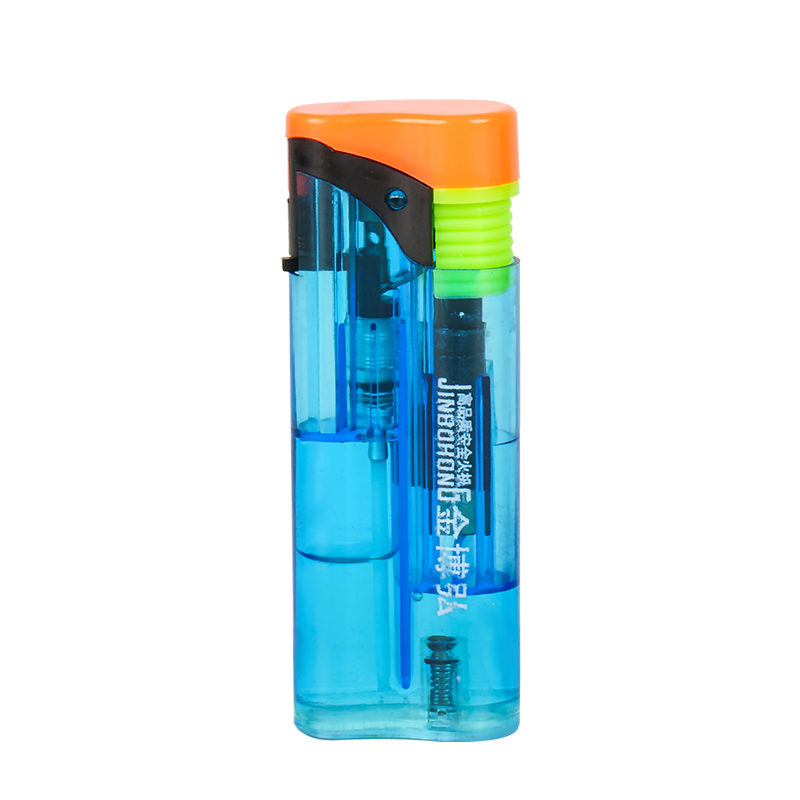
Transparent tanks — many models let you monitor remaining fuel
Types of Butane Gas Lighters: A Comprehensive Comparison
Not all butane gas lighters are created equal. Understanding the main categories helps you zero in on the right product for your lifestyle.
Type
Best For
Flame Style
Wind Resistance
Price Range
Pocket / EDC
Everyday carry, cigarettes
Soft flame
Low
$5–$30
Torch / Jet
Cigars, cooking, soldering
Hard jet flame
High
$15–$80
Kitchen Torch
Culinary, crème brûlée
Broad torch flame
Medium–High
$20–$60
Long-Reach / Utility
Grills, fireplaces, candles
Extended soft/jet
Medium
$10–$40
Camping / Survival
Outdoor, windproof use
Dual/triple jet
Very High
$20–$70
7 Key Features to Evaluate Before Buying a Butane Gas Lighter
1. Ignition Mechanism
There are two primary ignition systems in butane gas lighters: flint-wheel and piezoelectric (piezo). Flint-wheel lighters are traditional, time-tested, and mechanically simple — but the flint wears out. Piezo lighters use a crystal that generates a spark under pressure, requiring no consumable parts. For reliability and low maintenance, piezo ignition is generally preferred in modern butane lighters.
2. Flame Type and Adjustability
Soft flame lighters are gentle and suitable for candles or cigarettes but are easily extinguished by wind. Jet (torch) flame lighters produce a concentrated, high-temperature blue flame that resists wind. Multi-flame models (double or triple jets) offer maximum heat output. Look for a clearly marked flame adjustment dial that allows fine-tuning between low and high settings.
3. Tank Capacity and Refillability
Most quality butane lighters are refillable via a standard butane canister valve at the base. Larger tanks mean fewer refills but add bulk. For everyday carry, a compact tank with 30–60 minutes of burn time is sufficient. For outdoor or culinary applications, prioritize larger reservoirs. Prefer lighters with a transparent or semi-transparent fuel window so you always know how much butane remains.
4. Wind Resistance
If you plan to use your lighter outdoors — hiking, camping, or at a patio barbecue — wind resistance is non-negotiable. Jet flame butane lighters are inherently more wind-resistant than soft flame models. Some lighters include a recessed burner design that shields the flame from crosswinds. Check for IP or IPX ratings in outdoor lighters, which indicate splash or dust resistance.
5. Safety Features
A reliable butane gas lighter should include at minimum a child-resistant safety lock — a lever, button, or sliding mechanism that prevents accidental ignition. Look for lighters with an automatic shut-off or a valve that self-seals when released. Quality brands also design their fuel tanks with pressure-release valves to prevent dangerous over-pressurization.
6. Build Material and Durability
The casing of a butane lighter affects both longevity and user experience. Zinc alloy or stainless steel housings are the most durable and offer premium tactile feedback. ABS plastic models are lighter and more affordable but prone to cracking under impact. For outdoor or professional use, metal-bodied lighters are the superior investment.
7. Ergonomics and Design
A lighter you'll actually use consistently should feel comfortable in your hand. Consider grip texture, button placement, and overall weight. Sleek, flat designs work well for pockets; bulkier grip-style lighters are better for culinary or campfire use. For long-reach lighters, the neck length (typically 25–35 cm) determines how safely and conveniently you can ignite deep fireplaces or grills.
Choosing a Butane Gas Lighter by Use Case
For Everyday Carry (EDC)
Prioritize compact size, a reliable piezo ignition, and a sturdy casing. A pocket butane lighter with a soft flame and a fuel window will cover 95% of daily needs. Look for slim profiles that sit flat in a jeans pocket without creating uncomfortable bulk.
For Cigars
Cigar enthusiasts should choose a single, double, or triple jet torch butane lighter with an odorless flame. Soft flames risk uneven toasting. A flat-head punch cutter built into the lighter body is a convenient bonus. Fuel capacity matters here — cigar lighting sessions can be lengthy.
For Cooking and Kitchen Use
A kitchen butane torch lighter with a lockable flame (hands-free operation) is ideal for tasks like caramelizing sugar on crème brûlée or searing sous vide proteins. Choose a model with an anti-flare cap and a wide-angle nozzle for even heat distribution across a surface.
For Camping and Outdoor Use
A windproof butane torch lighter with a triple-jet flame is best for outdoor environments. Also consider weight — ultralight hikers may prefer compact piezo lighters over heavier multi-jet models. Some outdoor lighters include carabiner clips for attachment to backpacks.
For Fireplaces and BBQ Grills
A long-reach butane utility lighter with an extended nozzle (25–35 cm) protects your hand from heat. These models often feature a flexible neck for angled ignition in awkward spaces. Piezo ignition is strongly recommended for these lighters since you often use them one-handed.
Soft Flame vs. Jet Flame Butane Lighters: Head-to-Head
Attribute
Soft Flame
Jet / Torch Flame
Flame temperature
~500°C (932°F)
~1,300–1,970°C (2,372–3,578°F)
Wind resistance
Low
High to Very High
Fuel consumption
Low
Higher
Best use
Candles, cigarettes, indoor
Cigars, cooking, outdoor
Odor during use
Minimal
Essentially none
Typical price
$5–$25
$15–$80+
Maintenance
Easy
Requires occasional nozzle cleaning
How to Refill and Maintain Your Butane Gas Lighter
Proper maintenance extends the life of your butane lighter significantly. Follow these steps:
Bleed the tank first — use a pin or thin tool to press the refill valve and release any residual pressure before adding new butane.
Let it cool — never refill a warm lighter. Allow 2–3 minutes after use before refilling.
Match the nozzle size — use a butane canister with an adapter that fits your lighter's fill port snugly.
Fill upside down — hold the lighter inverted and press the canister nozzle into the valve. Fill for 5–10 seconds.
Wait before igniting — give the butane 60–90 seconds to normalize to room temperature before use.
Clean the jet nozzle — occasionally use compressed air to clear debris from torch-style nozzles that may cause sputtering or yellow flame.
Safety Tips for Using Butane Gas Lighters
Always store butane lighters away from direct sunlight and heat sources — pressurized butane canisters can rupture above 50°C (122°F).
Keep lighters out of reach of children at all times; engage the child safety lock when not in use.
Never operate a torch lighter near flammable gases or aerosols.
Do not attempt to modify or disassemble a butane lighter — internal valves are precision components.
Dispose of empty lighters properly — do not puncture or incinerate them, even when empty.
Frequently Asked Questions About Butane Gas Lighters
Q: How long does a refillable butane lighter last?
A: With regular refilling and basic maintenance, a quality butane gas lighter can last for many years — even decades. The flint (if applicable), O-rings, and valve seals are the components most likely to need eventual replacement.
Q: Can I take a butane lighter on an airplane?
Most aviation authorities (including the TSA in the US) permit one standard lighter in carry-on baggage. Torch lighters with jet flames are generally prohibited in aircraft cabins in many countries. Always check current airline and government regulations before traveling.
Q: Why does my butane lighter produce a yellow or orange flame instead of blue?
A yellow or orange flame typically indicates either contaminated butane, a clogged nozzle, or an overfilled tank. Try bleeding and refilling with high-purity butane (triple- or quadruple-refined). Clean the nozzle with compressed air. A blue flame confirms clean, efficient combustion.
Q: What is the difference between single, double, and triple jet butane lighters?
The number of jets refers to the quantity of individual burner nozzles. Single jet lighters offer a precise, narrow flame. Double jet models provide broader heat coverage. Triple jet lighters deliver maximum heat output — ideal for large cigars or demanding culinary tasks — but consume fuel more rapidly.
Q: Is triple-refined butane necessary, or will any butane work?
Higher purity butane burns cleaner and leaves fewer deposits on burner nozzles. Triple- or quadruple-refined butane is strongly recommended, especially for torch lighters and culinary applications where impurities in standard butane can clog precision nozzles and create an unwanted odor.
Q: Are butane lighters environmentally friendly?
Refillable butane gas lighters are significantly more eco-friendly than single-use disposable lighters, which contribute billions of plastic waste items to landfills annually. By choosing a quality refillable lighter, you can reduce plastic consumption and overall waste substantially over its lifetime.
Q: What purity of butane should I buy for kitchen use?
For food preparation, always use food-grade or at minimum triple-refined butane. Lower-purity butane contains sulfur compounds that can impart an unpleasant odor or taste to food, particularly in delicate applications like torching sugar or searing fish.
Final Verdict: How to Make the Right Choice
Choosing the best butane gas lighter comes down to three questions: Where will you use it? What will you use it for? How often? If you need a reliable everyday companion, a compact piezo-ignition soft-flame lighter is perfect. If wind resistance and high temperatures are required, a dual or triple jet torch is the clear winner. For the kitchen, a dedicated culinary torch with a lockable flame and broad nozzle makes the task effortless.
Regardless of which type you choose, always prioritize safety features, refillability, and build quality over price alone. A well-maintained, high-quality butane lighter will outlast dozens of cheap disposables — saving you money, reducing waste, and delivering a far more satisfying experience every single use.






 English
 русский
 Español
 عربى
عربى